Discover the real impact of food color on the nutritional benefits and learn how natural pigments signal powerful antioxidants, vitamins, and disease-fighting compounds your body needs.
Have you ever wondered why nutrition experts tell you to “eat the rainbow”? It’s not just a catchy phrase. The vibrant red of tomatoes, the deep purple of blueberries, and the rich green of spinach are more than visual appeal—they are biological signals. Each color represents specific compounds that influence immunity, heart health, brain function, and cellular protection.
Many people focus on calories or macronutrients, but overlook one of the simplest nutritional clues available: color. What if improving your diet didn’t require complicated calculations—but simply paying attention to what’s on your plate?
In this guide, you’ll discover the true impact of food color on the nutritional benefits, why pigments matter scientifically, and how you can use this knowledge to build a smarter, more balanced diet. Small changes in color diversity can lead to powerful long-term health outcomes.
Important Disclaimer:
This article is for informational purposes only and should not replace professional advice. For health-related topics, consult healthcare providers. Individual results may vary, and personal circumstances should always be considered when implementing any suggestions.
Section 1: The Science Behind Food Color and Nutritional Value
Understanding the impact of food color on the nutritional benefits begins with plant biology. Plants produce pigments not just for beauty, but for survival. These compounds protect against UV radiation, pests, and oxidative stress. When you consume them, you benefit from those same protective properties.
Most natural food colors come from:
- Carotenoids (yellow, orange, red)
- Anthocyanins (red, purple, blue)
- Chlorophyll (green)
- Betalains (deep red and violet)
- Flavonoids (varied hues)
These pigments are often antioxidants, meaning they help neutralize free radicals that contribute to aging and chronic disease. In simple terms, color intensity often reflects nutrient density.
Redefining How We Measure “Healthy”
Health isn’t just about protein or fat content. It includes phytonutrients—bioactive compounds that don’t appear on nutrition labels but play critical roles in inflammation control, immune function, and cellular repair.
Food color acts as a visible shortcut to identifying these compounds.
The Power of Visual Nutritional Clues
Instead of memorizing complex biochemical pathways, you can use color as a practical guide. A vibrant plate usually indicates a variety of micronutrients working together.
Section 2: Your Color-by-Color Nutritional Blueprint
Ready to apply this knowledge? Let’s break down how different colors translate into specific nutritional advantages.
Red Foods: Heart and Cellular Protection
Red tomatoes, strawberries, and watermelon contain lycopene and anthocyanins. Lycopene has been associated with reduced cardiovascular risk and improved antioxidant defense.
Beets, with their deep crimson tone, contain betalains linked to anti-inflammatory activity and improved blood flow.
Orange and Yellow Foods: Vision and Immunity Support
Carrots, sweet potatoes, mangoes, and yellow peppers are rich in beta-carotene, a precursor to vitamin A. This nutrient supports vision, immune response, and skin integrity.
Lutein and zeaxanthin, found in corn and egg yolks, protect the retina from oxidative damage.
Green Foods: Detoxification and Metabolic Balance
Leafy greens contain chlorophyll, folate, magnesium, and vitamin K. Cruciferous vegetables like broccoli provide glucosinolates that support liver detox pathways.
Green often signals fiber density, contributing to gut health and blood sugar regulation.
Blue and Purple Foods: Brain and Vascular Health
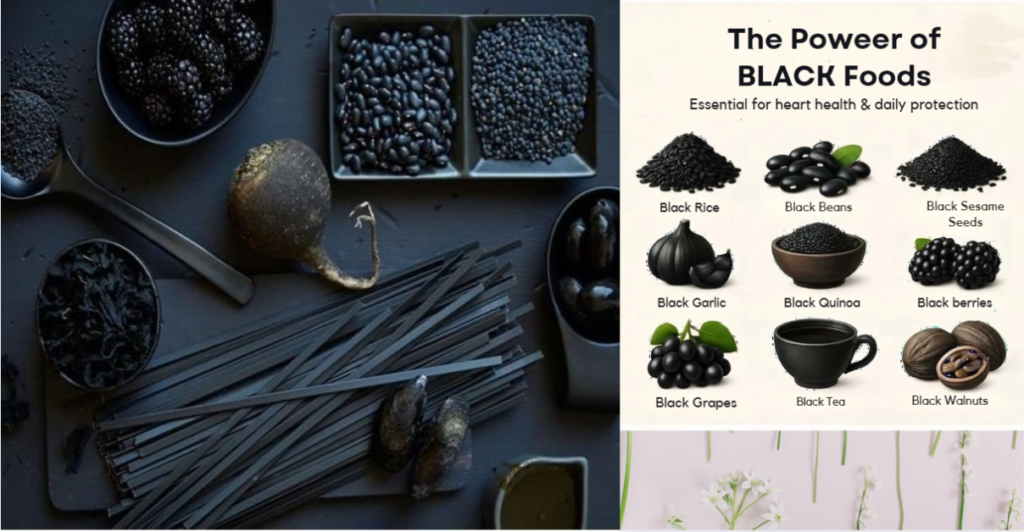
Blueberries, blackberries, and purple cabbage contain anthocyanins studied for their role in improving cognitive function and vascular flexibility.
The darker the shade, the higher the concentration of these protective compounds.
Section 3: Advanced Insights Into Pigment Bioavailability
Color alone doesn’t guarantee benefit—absorption matters.
Fat-Soluble Pigments
Carotenoids require dietary fat for optimal absorption. Adding olive oil to tomatoes can significantly increase lycopene uptake.
Cooking Effects
Heat may degrade certain vitamins but enhance availability of others. For example, cooked tomatoes provide more bioavailable lycopene than raw ones.
Ripeness and Nutrient Density
Fruits deepen in color as they ripen due to increased pigment concentration. Fully ripened produce often contains higher antioxidant levels.
Understanding these nuances maximizes the impact of food color on the nutritional benefits.
Section 4: Troubleshooting Common Misconceptions
Even with growing awareness, confusion remains.
Problem: “Bright Color Means Artificial Additives.”
Solution: In whole foods, vibrant colors usually indicate natural phytonutrients—not additives. However, ultra-processed foods may use synthetic dyes without nutritional value.
Problem: “All Colors Provide the Same Benefits.”
Solution: Each pigment family has unique biochemical roles. Eating only green vegetables, for example, limits exposure to anthocyanins and carotenoids.
Problem: “Organic vs Conventional Affects Color.”
Solution: While growing conditions influence pigment levels, color intensity is more closely linked to variety, sunlight exposure, and ripeness.
Section 5: Building a “Rainbow Plate” Strategy
Instead of restrictive dieting, focus on color diversity.
Practical Daily Framework
- Include at least three distinct colors per meal
- Rotate produce weekly
- Combine raw and cooked options
- Pair carotenoid-rich foods with healthy fats
A simple salad with spinach (green), tomatoes (red), carrots (orange), and purple cabbage provides layered nutritional protection.
Weekly Theme Approach
You can also experiment with weekly focus themes:
- Week of Deep Greens
- Week of Purple Antioxidants
- Week of Orange Immune Boosters
This keeps meals dynamic and nutritionally balanced.
Section 6: The Long-Term Health Impact of Color Diversity
Research in nutritional epidemiology consistently shows that higher fruit and vegetable diversity correlates with:
- Lower chronic disease risk
- Improved gut microbiome composition
- Reduced oxidative stress markers
- Better cardiovascular health outcomes
Color diversity often reflects phytochemical diversity, creating synergistic protective effects.
Over time, consistent exposure to varied pigments strengthens your body’s defense systems.
Section 7: Artificial Colors vs Natural Pigments
It’s important to distinguish between naturally colored whole foods and artificially dyed processed products.
Synthetic dyes such as Red 40 or Yellow 5 enhance visual appeal but offer no nutritional advantage. Natural pigments, on the other hand, provide measurable physiological benefits.
Choosing whole, naturally colorful foods ensures that visual vibrancy corresponds with biological value.
Section 8: Maximizing Nutritional Impact Through Smart Choices
To fully leverage the impact of food color on the nutritional benefits:
- Shop for seasonal produce
- Choose deeply colored varieties
- Store produce properly to prevent nutrient degradation
- Minimize overcooking
- Emphasize whole-food sources
Small visual upgrades to your plate can produce long-term metabolic improvements.
Conclusion: Let Color Guide Your Health Journey
You don’t need complicated nutrition formulas to eat better. Nature has already provided a simple system—color.
The impact of food color on the nutritional benefits is rooted in plant chemistry, antioxidant science, and decades of dietary research. Each hue represents a specific set of compounds that protect, nourish, and strengthen your body.
Start by adding one new color to your plate today. Over time, those small visual shifts will translate into measurable health gains. A balanced, vibrant life begins with a vibrant plate.