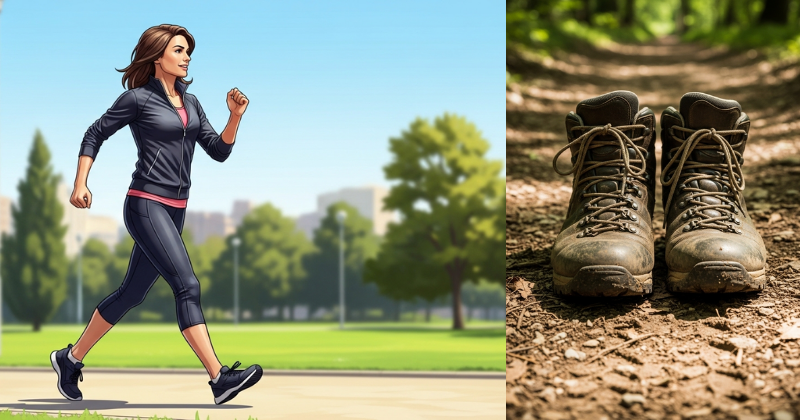
Discover the power of walking and how this simple daily habit can transform your heart health, boost your mood, and unlock a vibrant, more energetic version of you.
Have you ever noticed how a quick stroll around the block can suddenly make a mounting problem feel manageable? We have all experienced that moment of clarity that comes when we step away from the screen and let our feet hit the pavement. It is easy to overlook the simplest form of movement in a world obsessed with high-intensity interval training and expensive gym memberships. However, the most profound health transformation might not require a barbell or a treadmill. The power of walking is an often-underrated tool that can revolutionize your physical and mental well-being.
In this comprehensive guide, we are going to explore why putting one foot in front of the other is the ultimate “super-habit.” You will discover how walking can strengthen your heart, sharpen your mind, and even extend your life. This isn’t just about counting steps; it is about reclaiming your vitality through a sustainable, low-impact practice that you can do anywhere. You have the capability to achieve your fitness goals without the burnout. Get ready to unlock a healthier, happier you as we dive into the incredible benefits of a daily walk!
Important Disclaimer: This article is for informational purposes only and should not replace professional advice. For health-related topics, consult healthcare providers. For financial or legal matters, seek qualified professional guidance. For safety procedures, verify current best practices and local regulations. Individual results may vary, and personal circumstances should always be considered when implementing any suggestions.
Section 1: The Foundation – Why Walking is the Ultimate Exercise (H2)
To build your confidence in this new journey, we first need to dismantle the myth that “exercise has to be painful to count.” Many people hesitate to start a fitness routine because they fear the intensity of the gym. Reassure yourself that your body was designed for locomotion. The power of walking lies in its accessibility. It is a functional movement that places minimal stress on your joints while providing maximum cardiovascular benefits.
When you walk, you are engaging in a weight-bearing exercise. This means you are strengthening your bones and muscles with every stride. For beginners, walking offers an achievable entry point into [Heart Health Improvement] without the risk of overexertion. By understanding that a 30-minute walk can be just as beneficial for long-term health as a short run, you can stop feeling guilty and start feeling empowered.
H3: The Cardiovascular Connection
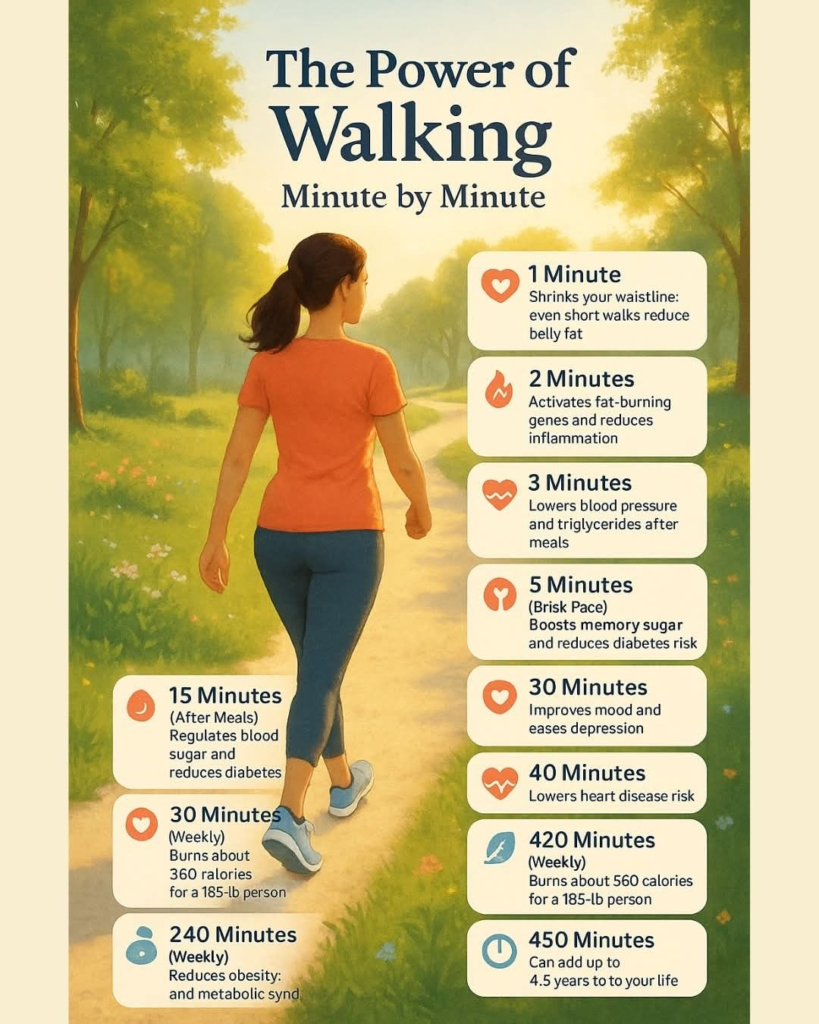
Walking increases your heart rate and improves blood circulation. Regular brisk walking has been shown to lower blood pressure and reduce the risk of stroke. It is a natural way to manage cholesterol levels and keep your arteries flexible, which is a cornerstone of [Sustainable Wellness].
H3: Metabolic Health and Blood Sugar
Did you know that walking after a meal can significantly lower your blood sugar response? This simple act helps your muscles use glucose more effectively, making it a powerful tool for [Diabetes Prevention and Management]. It’s not just about burning calories; it’s about optimizing how your body processes fuel.
Section 2: Step-by-Step – How to Build a Walking Ritual (H2)
Ready to harness the power of walking? You don’t need a complicated plan. Use this clear, actionable process to integrate more movement into your daily life. This isn’t about a one-time effort; it’s about building a manageable system that sticks.
Step 1: Start with a “Micro-Goal”
Do not aim for 10,000 steps on day one if you are currently sedentary.
- Action: Commit to a 10-minute walk after lunch.
- The Benefit: Small wins build “self-efficacy,” the belief that you can succeed. Once 10 minutes feels easy, you can gradually increase your duration.
Step 2: Choose the Right Gear
You don’t need a designer outfit, but your feet deserve support.
- Action: Invest in a pair of supportive walking shoes. Look for cushioning and a flexible sole.
- Pro Tip: Replace your shoes every 300 to 500 miles to prevent foot and knee strain.
Step 3: Master Your Form
Walking is natural, but “active walking” requires a bit of focus.
- Action: Keep your head up, shoulders relaxed, and swing your arms naturally.
- The Technique: Land on your heel and roll through to your toes. Engaging your core slightly will protect your lower back and improve your posture.
Step 4: Schedule It Like a Meeting
The biggest obstacle to exercise is time.
- Action: Block out “walking appointments” in your digital calendar.
- The Strategy: Treat this time as non-negotiable. Whether it is a morning “sunrise stroll” or a “twilight trek,” consistency is where the magic happens.
Section 3: Advanced Strategies – Leveling Up Your Stride (H2)
Once you’ve mastered the basics, you can experiment with expert-level variations to keep things exciting. These strategies help you burn more calories and build more strength without spending more time on the trail.
- Interval Walking: Try alternating between three minutes of a moderate pace and one minute of a very brisk pace. This “shaking up” of your heart rate boosts metabolic efficiency.
- Incline Training: Seek out hills or use the incline setting on a treadmill. Walking uphill engages your glutes and hamstrings more intensely and provides a superior [Lower Body Strength] workout.
- Rucking: This is the practice of walking with a weighted backpack. It turns a standard walk into a resistance training session, improving your bone density and calorie burn.
- Nordic Walking: Using specialized poles engages your upper body, including your chest, triceps, and shoulders. This can increase your caloric expenditure by up to 20% compared to normal walking.
H3: The Mind-Body Connection
Walking isn’t just physical. “Mindful walking” involves focusing on the sensation of your feet hitting the ground and the rhythm of your breath. This practice has been shown to lower cortisol (the stress hormone) and improve overall [Mental Health and Anxiety].
Section 4: Troubleshooting – Common Walking Challenges (H2)
Every journey has its hurdles. If you encounter an obstacle, use these solutions to stay on track. Remember, a setback is just an opportunity to adjust your approach.
- Problem: “The weather is terrible.”
- Solution: Have a “Plan B.” Use a local mall, a gym treadmill, or even a brisk indoor walking video. Don’t let a rainstorm derail your progress.
- Problem: “My knees or shins hurt.”
- Solution: Check your shoes and your surface. Concrete is hard on joints; try walking on grass or a synthetic track. If the pain persists, reduce your pace and focus on [Stretching and Mobility].
- Problem: “I find walking boring.”
- Solution: Turn your walk into a “learning hour.” Listen to a podcast, an audiobook, or a curated music playlist. Alternatively, walk with a friend to turn exercise into a social event.
Preventive Measures
Always stay hydrated, especially in warmer months. If you are walking at dawn or dusk, wear reflective clothing to ensure you are visible to drivers. Safety is a vital part of making your routine sustainable.
Section 5: Maximizing Results – Living the Walking Lifestyle (H2)
To truly unlock the power of walking, you should look for ways to build it into your larger [Active Lifestyle Plan]. It’s about more than just your scheduled walk; it’s about moving more throughout the day.
- The “Park Further” Rule: Whether at the grocery store or the office, choose the furthest parking spot. Those extra 200 steps add up over a year!
- Take the Stairs: Whenever possible, skip the elevator. This provides a quick burst of “vertical walking” that strengthens your heart.
- Walking Meetings: If you work from home or in an office, try taking your phone calls while pacing. It often sparks more creative thinking than sitting in a chair.
- Nature Immersion: Whenever you can, walk in “green spaces” like parks or forests. Research shows that “forest bathing” significantly improves immune function and reduces stress more than urban walking.
Conclusion
You have now discovered the incredible, life-changing power of walking. By choosing to integrate this simple movement into your life, you are choosing heart health, mental clarity, and long-term vitality. This transformation is entirely achievable, and you have the capability to reach your goals one step at a time.
Remember the key takeaways: start small, focus on consistency over intensity, and don’t be afraid to level up your routine with hills or weights. Walking is the most natural form of self-care available to us. So, lace up your shoes, step outside, and achieve the vibrant life you deserve. You’ve got this!