Meta Description: Explore evidence-based strategies to repair the digestive barrier naturally, enhancing gut health, immunity, and nutrient absorption through science-backed approaches.
What Is the Digestive Barrier and Why Is It Important?
The digestive barrier, often referred to as the gut barrier, is a complex structure that separates the intestinal lumen from the bloodstream. It consists of:
- Epithelial cells lining the intestines
- Tight junction proteins that seal gaps between cells
- Mucus layers that trap pathogens
- Immune cells in the gut-associated lymphoid tissue (GALT)
This barrier performs a critical role: it allows selective nutrient absorption while preventing harmful microorganisms, toxins, and antigens from entering circulation. When the barrier is compromised—a condition sometimes called “leaky gut”—it can trigger inflammation, immune dysregulation, and nutrient malabsorption, contributing to conditions such as inflammatory bowel disease (IBD), irritable bowel syndrome (IBS), autoimmune disorders, and metabolic dysfunction.
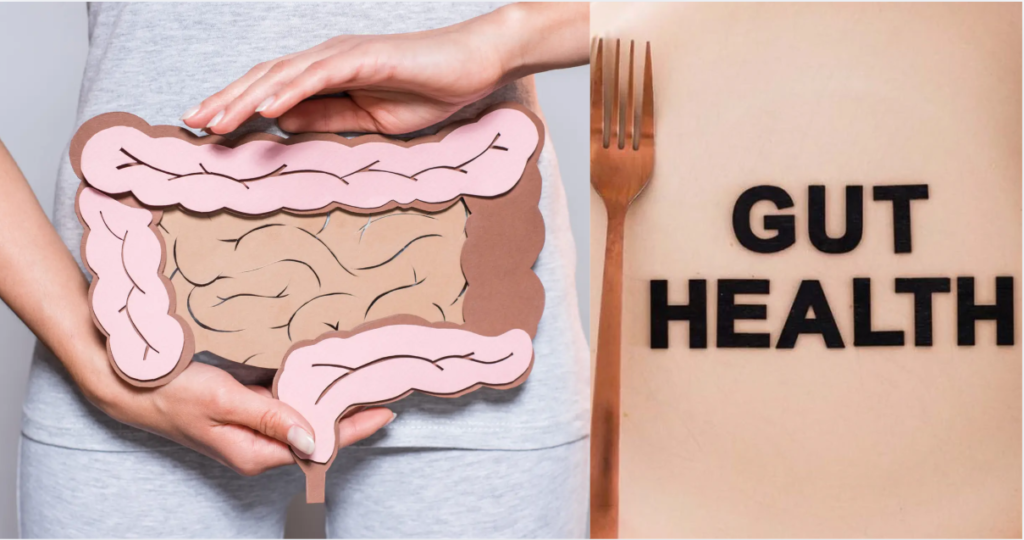
How Does the Gut Barrier Become Compromised?
Several factors can weaken the gut barrier:
- Chronic Stress – Elevates cortisol, which can alter gut permeability.
- Dietary Triggers – Excessive sugar, alcohol, and highly processed foods can disrupt tight junctions.
- Medications – Nonsteroidal anti-inflammatory drugs (NSAIDs) and certain antibiotics can damage the epithelial lining.
- Pathogens – Infections from bacteria, viruses, or parasites can directly injure intestinal cells.
- Inflammatory Conditions – Chronic inflammation, as seen in IBD or celiac disease, perpetuates barrier dysfunction.
Understanding these factors is essential to designing a gut-healing strategy that targets both the causes and the consequences of barrier breakdown.
What Are the Core Principles of Natural Gut Healing?
Natural gut repair strategies focus on:
- Reducing inflammation to prevent further epithelial damage
- Supporting tight junction integrity to prevent excessive permeability
- Restoring beneficial microbiota to enhance barrier function
- Providing essential nutrients for epithelial regeneration
These principles rely on dietary, lifestyle, and sometimes supplemental interventions, tailored to the individual’s digestive health and sensitivities.
Which Foods Promote Gut Barrier Repair?
Certain foods contain nutrients and bioactive compounds that support gut integrity:
- Bone Broth and Collagen-Rich Foods – Supply amino acids like glycine and proline that help regenerate connective tissue and epithelial cells.
- Fermented Foods – Yogurt, kefir, sauerkraut, and kimchi introduce probiotics that modulate immunity and strengthen barrier function.
- Polyphenol-Rich Fruits and Vegetables – Berries, apples, and leafy greens reduce oxidative stress and inflammation, protecting intestinal cells.
- Prebiotic Fibers – Chicory root, garlic, onions, and asparagus feed beneficial microbes, producing short-chain fatty acids (SCFAs) that nourish epithelial cells.
- Omega-3 Fatty Acids – Fatty fish and flaxseeds reduce inflammation and promote membrane integrity.
A diet rich in these components creates a supportive environment for epithelial repair while maintaining microbial balance.
How Do Probiotics and Microbiome Support Gut Healing?
The gut microbiome interacts closely with the intestinal barrier. Beneficial bacteria:
- Enhance tight junction protein expression, reducing permeability
- Produce SCFAs, especially butyrate, which fuels colonocytes and strengthens the epithelial lining
- Compete with pathogenic bacteria, reducing inflammation and infection risk
Clinical studies show that strains such as Lactobacillus rhamnosus, Bifidobacterium longum, and Saccharomyces boulardii can improve barrier function and reduce symptoms in IBD and IBS patients.
Which Nutrients Are Essential for Barrier Integrity?
Key nutrients for gut repair include:
- Zinc – Crucial for epithelial cell regeneration and tight junction stability
- Vitamin A – Supports mucosal barrier maintenance and immune function
- Glutamine – An amino acid that fuels enterocytes and accelerates healing
- Vitamin D – Modulates immune response and reduces inflammation
- Magnesium – Supports enzymatic processes and overall cellular function
Deficiencies in these nutrients can exacerbate permeability, making dietary optimization or supplementation a core component of gut-healing protocols.
What Lifestyle Factors Support Digestive Barrier Health?
Lifestyle interventions complement dietary strategies:
- Stress Reduction – Meditation, yoga, and mindful breathing lower cortisol and improve gut barrier function.
- Adequate Sleep – Sleep deprivation disrupts circadian regulation of gut permeability.
- Regular Exercise – Enhances circulation, microbial diversity, and epithelial regeneration.
- Hydration – Supports mucus layer thickness and nutrient transport.
- Avoiding Trigger Foods – Limiting alcohol, refined sugar, and inflammatory fats reduces barrier stress.
Combining these habits with targeted nutrition enhances gut healing and overall digestive resilience.
How Long Does Gut Healing Take and What Results Can Be Expected?
The timeline for gut repair varies based on the severity of barrier dysfunction, underlying conditions, and adherence to dietary and lifestyle changes:
- Mild permeability – Improvement may be noticed in 2–4 weeks with consistent interventions.
- Moderate to severe damage – Restoration of barrier integrity may take several months, particularly in chronic IBD or after prolonged antibiotic use.
Benefits of gut healing include reduced bloating and diarrhea, improved nutrient absorption, enhanced immune regulation, and potential reduction in systemic inflammation markers.
Conclusion: A Holistic Approach to Gut Barrier Repair
Repairing the digestive barrier naturally is a multifaceted process that integrates diet, nutrients, probiotics, and lifestyle interventions. Emphasizing anti-inflammatory foods, prebiotics and probiotics, essential vitamins and minerals, alongside stress reduction and regular exercise, can restore barrier integrity and support long-term gut health. By adopting evidence-based strategies, individuals with IBD, IBS, or general digestive concerns can enhance their microbiome, strengthen epithelial defenses, and promote overall wellness.
Disclaimer: This article is intended for informational purposes only and does not replace professional medical advice. Consult a healthcare provider before making dietary or lifestyle changes, especially if managing IBD, IBS, or other digestive disorders.