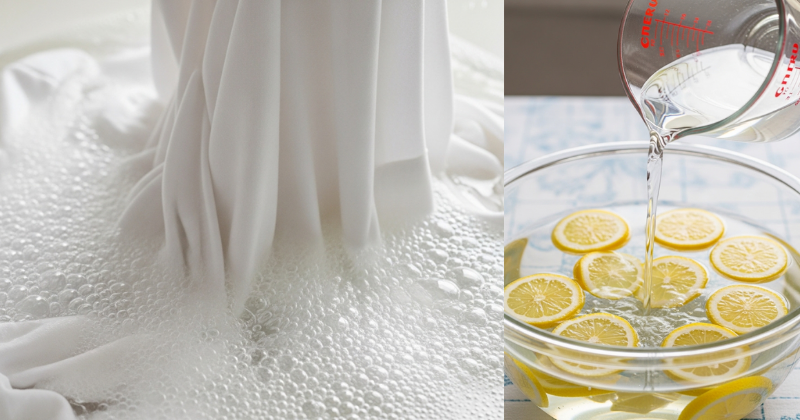
Discover the secret to whiten clothes with no bleach using simple, non-toxic household staples that restore brightness to your laundry safely and effectively.
Have you ever pulled your favorite white t-shirt out of the dryer only to realize it looks more “dingy grey” than “crisp mountain snow”? We have all been there. Over time, sweat, skin oils, and mineral buildup turn our brightest whites into a dull shadow of their former selves. While the instinct is to reach for a bottle of harsh chlorine bleach, that chemical shortcut often weakens fabric fibers and leaves behind a medicinal smell that lingers for days.
The good news is that you don’t need industrial chemicals to achieve professional results. In this guide, you will uncover the secret to whiten clothes with no bleach using items you likely already have in your kitchen pantry. We are going to explore natural whitening agents that are gentle on your skin, safe for the environment, and incredibly effective at lifting stains. Get ready to transform your laundry day and unlock a brighter, fresher wardrobe with confidence!
Section 1: Why Move Away from Chlorine Bleach?
Before we dive into the methods, let’s build your confidence by understanding why “natural” is often better for your fabrics. Many people hesitate to ditch bleach because they fear natural alternatives won’t have the “punch” needed for tough stains. However, traditional bleach can actually cause yellowing on synthetic fibers and eat away at delicate cotton over time.
By learning the secret to whiten clothes with no bleach, you are protecting the longevity of your clothing. Natural methods rely on oxygenation and acidity to break the bond between dirt and fabric. This approach is much friendlier for those with sensitive skin or allergies. Whether you are a laundry novice or a pro looking to go green, these concepts are easy to grasp and even easier to implement.
H3: The Power of Kitchen Chemistry
You might be surprised to learn that ingredients like baking soda and distilled white vinegar are laundry powerhouses. Baking soda helps regulate the pH level in your wash water, allowing your detergent to work more effectively. Meanwhile, the mild acidity of vinegar cuts through the alkaline residues left behind by soaps and fabric softeners.
H3: Eco-Friendly Benefits
Switching to bleach-free whitening isn’t just a win for your closet; it’s a win for the planet. Chlorine bleach can create harmful byproducts when it enters the water system. Using biodegradable alternatives like lemon juice or hydrogen peroxide ensures that your cleaning routine remains sustainable and safe for your local ecosystem.
Section 2: The Step-by-Step Process to Brighter Whites
Are you ready to see the transformation? Follow these manageable steps to revive your laundry. We will focus on the most effective “trio” of natural whiteners: baking soda, lemon juice, and the power of the sun.
What You Will Need:
- Baking Soda: 1/2 cup per load.
- Lemon Juice: 1/2 cup of strained juice.
- White Vinegar: 1/2 cup (used in the rinse cycle).
- Hydrogen Peroxide (3%): Great for targeted spot treatment.
The Core Method:
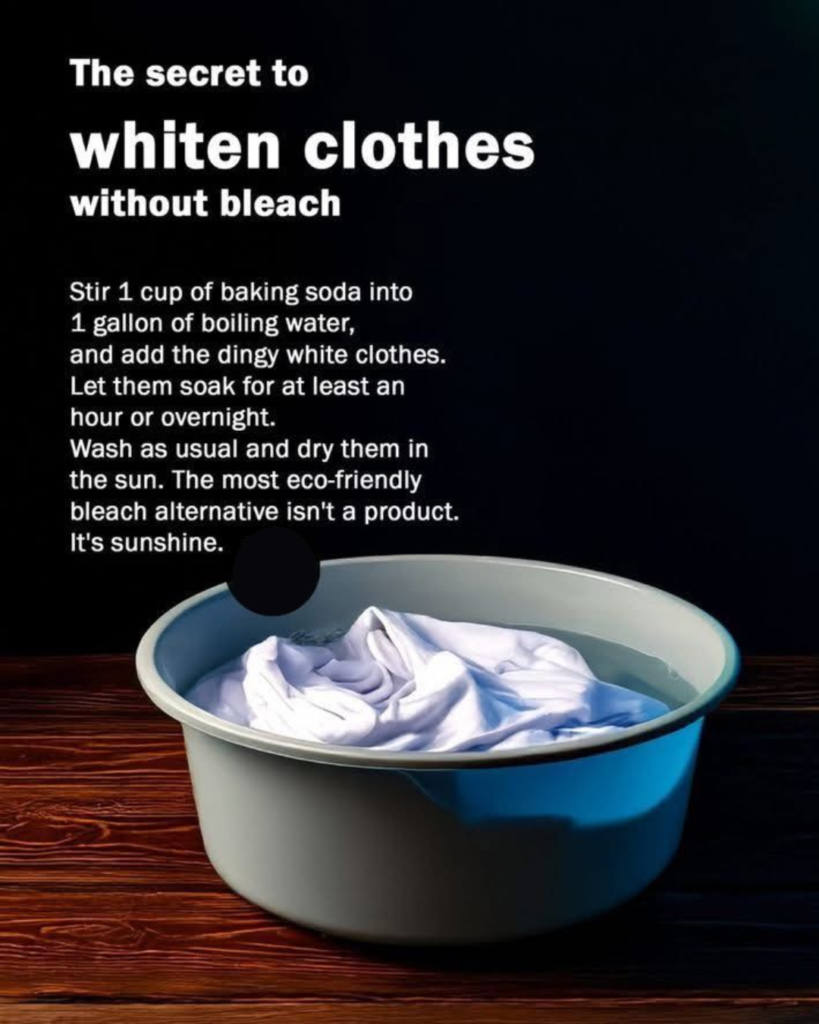
- The Pre-Soak: For clothes that are heavily yellowed, fill a basin with hot water and add 1/2 cup of lemon juice. Submerge your whites and let them soak for at least one hour—or even overnight for the best results.
- The Wash Boost: Toss your clothes into the washing machine. Add your regular eco-friendly detergent, but also pour in 1/2 cup of baking soda directly into the drum. This boosts the whitening power of the wash cycle.
- The Rinse: During the final rinse cycle, add 1/2 cup of white vinegar. This acts as a natural fabric softener and ensures no dingy residue remains trapped in the fibers.
- The Secret Weapon (The Sun): Whenever possible, hang your white clothes outside to dry in direct sunlight. UV rays act as a natural bleaching agent that is incredibly effective and completely free!
Section 3: Advanced Strategies and Pro Tips
Now that you have the basics down, let’s share some expert-level insights to help you customize your approach for different types of laundry challenges.
H3: Dealing with Underarm Stains
Yellow “pit stains” are usually a reaction between your sweat and the aluminum in your deodorant. To tackle these, create a paste using two parts hydrogen peroxide and one part dish soap. Apply it to the stain, let it sit for 30 minutes, and then wash as usual. This “secret” combo breaks down the proteins and oils that regular washing misses.
H3: The “Bluing” Technique
Have you ever heard of laundry bluing? It sounds counterintuitive to add blue dye to white clothes, but it’s a classic trick. Because blue and yellow are opposites on the color wheel, a tiny amount of blue pigment neutralizes the yellow tint, making the fabric appear “whiter than white” to the human eye. You can find eco-friendly bluing liquids that work wonders on old linens.
Creative Solutions for Delicates
For silk or wool, avoid lemon juice as the acidity might be too high. Instead, use a gentle soak with 3% hydrogen peroxide diluted in cool water. This provides a gentle oxygen boost that lifts greyness without damaging the structural integrity of expensive natural fibers.
Section 4: Troubleshooting Common Challenges
Even the best-laid plans can hit a snag. If you aren’t seeing the “brilliant white” results you expected, don’t get discouraged! Here is how to handle frequent obstacles.
- Problem: “My clothes still look grey after washing.”
- Solution: This is often caused by hard water minerals. If your local water is high in calcium or magnesium, the minerals redeposit onto your clothes. Try adding a water softener or increasing your vinegar usage in the rinse cycle to “strip” those minerals away.
- Problem: “The lemon juice left a sticky residue.”
- Solution: Make sure you are using strained juice (no pulp!) and that you are rinsing thoroughly. If residue persists, a quick second rinse with plain water will solve it.
- Problem: “I can’t dry my clothes outside.”
- Solution: If you live in an apartment or a rainy climate, don’t worry. You can achieve similar (though slightly less intense) results by adding a “laundry booster” like sodium percarbonate (oxygen bleach powder) to your machine.
Preventive Measures
The best way to keep whites white is to never wash them with colors—not even “light” colors like pale blue or grey. Dye transfer is the number one cause of dinginess. Always separate your loads strictly to maintain that fresh-out-of-the-box look.
Section 5: Maximizing Results and Maintenance
Building upon your success is easy once you turn these steps into a habit. Long-term maintenance is the key to a sustainable, bright wardrobe.
- Routine Maintenance: Don’t wait for your clothes to turn yellow. Use the baking soda “boost” in every white load to prevent buildup before it starts.
- Machine Care: A dirty washing machine can’t produce clean clothes. Once a month, run an empty hot cycle with two cups of vinegar to clear out old soap scum and bacteria.
- Smart Storage: Avoid storing white clothes in plastic bins for long periods. Plastic can off-gas chemicals that cause “phenolic yellowing.” Opt for cotton garment bags or acid-free tissue paper instead.
- Check Your Detergent: Ensure you aren’t using too much soap. Excess detergent actually traps dirt against the fabric rather than washing it away.
Conclusion: Achieve the Brightness You Deserve
You have officially discovered the secret to whiten clothes with no bleach! By moving away from harsh chemicals and embracing the power of simple, natural ingredients, you are choosing a healthier home and a longer-lasting wardrobe. These methods are not just effective; they are empowering. You no longer have to worry about damaging your favorite pieces or breathing in toxic fumes.
Summarize your new routine: soak with lemon, wash with baking soda, rinse with vinegar, and dry in the sun. You have the capability to transform your laundry from dull to dazzling starting with your very next load. Go ahead—unlock that “fresh start” feeling and wear your bright whites with pride!