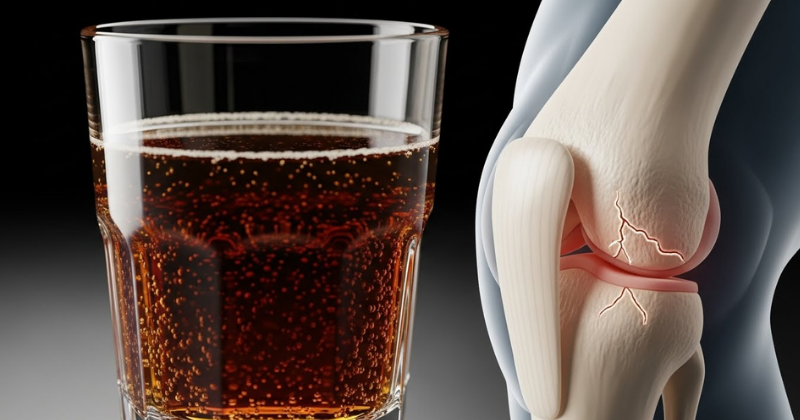
This daily drink is slowly weakening your joints without you noticing. Discover how common beverages trigger inflammation and learn the best swaps for joint health.
Have you ever woken up with a strange stiffness in your fingers or a dull ache in your knees that seems to linger longer than it used to? You might attribute it to “just getting older” or a tough workout, but the culprit could be sitting right in your cup. Many of us follow a morning or afternoon ritual that feels comforting, yet scientific research suggests that this daily drink is slowly weakening your joints without you noticing. By triggering systemic inflammation and leaching vital minerals from your bones, certain beverages act like a “hidden rust” for your skeletal system.
The good news is that you have the power to reverse this trend. Today, you are going to transform your relationship with your favorite beverages and unlock the secrets to pain-free movement. This guide will empower you with achievable, step-by-step guidance to identify joint-damaging drinks and replace them with healing alternatives. You have the capability to achieve a vibrant, active lifestyle at any age. Get ready to discover the “drink-joint connection” and achieve a breakthrough in your long-term wellness!

Foundation: How Beverages Impact Your Joint Longevity
Before we dive into the specific solutions, let’s build your confidence with the basic concepts of inflammatory nutrition. Understanding how liquid ingredients interact with your cartilage is the first step toward self-advocacy and health.
The Inflammation Cascade
The primary way a daily drink weakens your joints is through chronic inflammation. When you consume high amounts of refined sugar or certain artificial additives found in sodas and “energy” drinks, your body releases pro-inflammatory cytokines. These chemicals circulate through your bloodstream and can settle in the synovial fluid—the lubricant of your joints—causing the tissues to break down over time.
Nutrient Leaching and Bone Density
Some popular drinks, particularly those high in phosphoric acid or excessive caffeine, can interfere with calcium absorption. Since your joints rely on the strength of the surrounding bone for support, weakening the bone structure inevitably leads to joint instability and increased wear and tear.
Encouraging Reassurance for Beginners
If you realize your favorite drink might be causing your aches, don’t feel judged or discouraged. We live in a world where these beverages are marketed as “energy boosters” or “refreshments.” You aren’t doing anything “wrong”; you are simply operating on the information you had. By making a change today, you are choosing to prioritize your future mobility over a temporary sugar rush.
Step-by-Step: Phasing Out Joint-Damaging Drinks
Ready to protect your cartilage? Follow these manageable steps to transition away from the drinks that are slowly weakening your joints without you noticing.
1. Identify the Main Culprit: Sugary Sodas and “Fruit” Juices
The high-fructose corn syrup in these drinks is a major trigger for uric acid production, which can lead to joint pain and even gout.
- The Action: Start by cutting your intake in half. If you drink two sodas a day, drop to one.
- The Swap: Replace one soda with sparkling water infused with a squeeze of fresh lime or lemon. You still get the “fizz” without the inflammatory spike.
2. Monitor Your Caffeine and Phosphoric Acid
Dark colas and excessive coffee can contribute to mineral depletion if consumed in large quantities.
- The Rule: Limit yourself to two caffeinated beverages per day and try to avoid dark sodas entirely.
- The Result: You’ll likely notice a reduction in “jittery” joint tension and improved sleep, which is when your joints do their best repairing.
3. Implement the “Hydration First” Rule
Dehydration causes the cartilage in your joints to lose its “cushioning” effect, leading to bone-on-bone friction.
- The Method: Drink 8 ounces of plain water before you allow yourself to have your “fun” drink of the day.
- Why it works: This ensures your joint tissues are hydrated and may naturally reduce your craving for sugary alternatives.
Advanced Strategies: Pro Tips for Joint Repair
Once you have mastered the basics, share expert-level insights by incorporating powerful anti-inflammatory “super-drinks” into your routine.
The Golden Milk Transformation
Turmeric contains curcumin, a compound shown in studies to be as effective as some over-the-counter anti-inflammatories for joint pain.
- Pro Tip: Make a “Golden Milk” latte using coconut milk, turmeric, ginger, and a pinch of black pepper (which increases curcumin absorption by 2,000%).
Bone Broth for Collagen Support
Your joints are made of collagen, and sipping on high-quality bone broth provides the amino acids (proline and glycine) needed to rebuild cartilage.
- Expert Insight: Try replacing your afternoon savory snack with a cup of warm, salted bone broth. It’s a literal “liquid gold” for your connective tissues.
Featured Snippet: Which drink is worst for joint pain?
The worst drink for joint pain is sugar-sweetened soda. The high levels of processed sugar and high-fructose corn syrup trigger the release of inflammatory messengers called cytokines. Furthermore, the phosphoric acid found in many dark colas can interfere with calcium absorption, weakening the bones that support your joints. Switching to anti-inflammatory drinks like green tea or ginger water can significantly reduce joint stiffness and discomfort.
Troubleshooting: Overcoming Cravings and Setbacks
Transitioning your habits can be a challenge. Here is how to handle frequent obstacles with an encouraging mindset:
- “I get a headache when I stop my daily soda”: This is likely caffeine or sugar withdrawal. Action: Wean yourself off slowly over 14 days rather than quitting “cold turkey.”
- “Healthy drinks taste boring”: Your taste buds have been “over-stimulated” by artificial sweeteners.
- Solution: Give it two weeks. As your inflammation goes down, you’ll start to notice the natural sweetness in herbal teas and fruit-infused waters.
- “My joints still ache after a week”: Repairing years of “silent” weakening takes time.
- Internal Link: To support your recovery, discover why people who overthink at night usually had this type of childhood; lowering your overall stress levels can actually reduce the physical perception of pain in your joints.
Maximizing Results: A Lifestyle for Mobile Joints
Now that you’ve addressed the daily drink that is slowly weakening your joints without you noticing, build upon your success with these complementary strategies.
Anti-Inflammatory Eating
- Internal Link: Your drink is only part of the puzzle. To see a total transformation, check out The 20 Worst Foods For People with Arthritis, Ranked in Order and ensure your plate is as healthy as your cup.
Sensory Support
- Internal Link: Create a relaxing environment to lower cortisol (a stress hormone that worsens joint pain). Discover the peace of Making Your Own Natural Scented Aroma Stones to turn your home into a healing sanctuary.
Movement as Medicine
Hydrated, well-nourished joints need movement to stay lubricated.
- The Strategy: Incorporate low-impact movements like swimming or tai chi. Think of movement as “massaging” the healthy nutrients from your new drinks into the cartilage where they are needed most.
Conclusion: Achieve the Mobility You Deserve
You have now discovered how a daily drink is slowly weakening your joints without you noticing and, more importantly, you have the achievable steps to fix it. You have moved from a cycle of silent damage to a path of active restoration. By following these methods—identifying sugary culprits, hydrating properly, and embracing anti-inflammatory lattes—you have achieved a strategy for long-term physical freedom.
The journey to healthy joints is an achievable and rewarding path. We encourage you to swap your next sugary drink for a tall glass of water or a soothing green tea. You are more than capable of achieving a life full of movement, flexibility, and joy!
Important Disclaimer: This article is for informational purposes only and should not replace professional advice. For health-related topics, consult healthcare providers. For financial or legal matters, seek qualified professional guidance. For safety procedures, verify current best practices and local regulations. Individual results may vary, and personal circumstances should always be considered when implementing any suggestions.