Meta Description: Learn the key signs, symptoms, and risk factors of colorectal cancer, how it develops, and why early screening is essential for prevention and survival.
Colorectal cancer is one of the most common cancers affecting the digestive system. It usually begins as small growths called polyps in the lining of the colon or rectum, which may slowly become cancerous over time.
Early detection significantly improves outcomes, but symptoms can be subtle or absent in early stages, making awareness and screening essential.
Featured Snippet: What are the early signs of colorectal cancer?
Early signs of colorectal cancer may include changes in bowel habits, blood in stool, abdominal pain, unexplained weight loss, fatigue, and a feeling of incomplete bowel emptying.
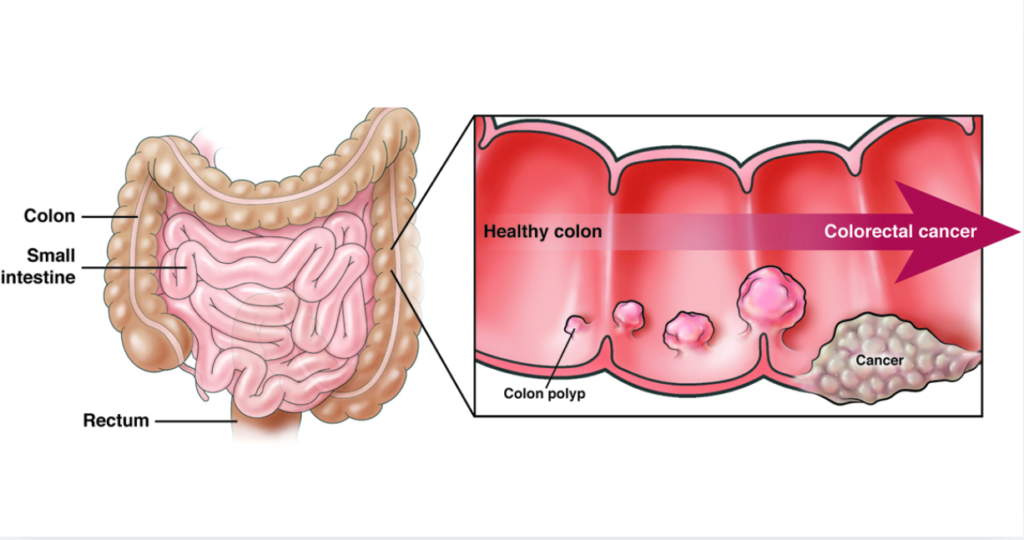
How Colorectal Cancer Develops
Most colorectal cancers begin as benign polyps that gradually undergo genetic changes.
Progression stages:
- Normal colon lining
- Polyp formation
- Dysplasia (abnormal cells)
- Cancerous growth
Key Symptoms to Watch For
1. Changes in bowel habits
- Diarrhea or constipation
- Narrow or irregular stools
- Persistent changes lasting weeks
2. Blood in stool
May appear as:
- Bright red blood
- Dark or black stools
Featured Snippet: Is blood in stool always a sign of cancer?
No, blood in stool is not always cancer-related, but it should always be medically evaluated as it may indicate colorectal cancer, hemorrhoids, or other conditions.
3. Abdominal discomfort
- Cramping
- Bloating
- Persistent pain
4. Unexplained weight loss
- Loss of appetite
- Gradual weight decline without dieting
5. Fatigue and weakness
Often due to:
- Chronic blood loss
- Anemia development
6. Feeling of incomplete evacuation
- Sensation that the bowel is not fully emptied
Major Risk Factors
1. Age
Risk increases after age 50, though younger cases are rising.
2. Family history
Genetic predisposition increases risk.
3. Diet
High-risk dietary patterns include:
- High red and processed meat intake
- Low fiber consumption
4. Lifestyle factors
- Sedentary behavior
- Obesity
- Smoking
- Excess alcohol consumption
5. Chronic inflammatory bowel disease
- Ulcerative colitis
- Crohn’s disease
Featured Snippet: What increases the risk of colorectal cancer?
Risk factors include older age, family history, inflammatory bowel disease, smoking, obesity, sedentary lifestyle, and diets high in processed meat and low in fiber.
Screening and Early Detection
Screening helps detect precancerous polyps early.
Common methods
Colonoscopy
- Most effective method
- Allows removal of polyps
Stool tests
- Detect hidden blood
- Non-invasive screening option
Featured Snippet: Why is colorectal cancer screening important?
Screening is important because it can detect precancerous polyps early, allowing prevention of cancer development or early treatment with better outcomes.
Prevention Strategies
1. High-fiber diet
Supports healthy bowel function.
2. Regular physical activity
Reduces risk through metabolic and hormonal balance.
3. Healthy weight maintenance
Helps reduce inflammation and metabolic stress.
4. Limiting processed foods
Reduces exposure to carcinogenic compounds.
5. Avoiding tobacco and excess alcohol
Both increase long-term cancer risk.
When to Seek Medical Attention
Consult a healthcare provider if you notice:
- Persistent bowel changes
- Blood in stool
- Ongoing abdominal pain
- Unexplained fatigue
- Unintentional weight loss
Internal Linking Opportunities
This topic connects well with:
- Digestive system health and gut inflammation
- Nutrition and fiber intake
- Cancer screening and prevention
- Anemia and fatigue biomarkers
- Colonic microbiome and metabolism
Conclusion
Colorectal cancer develops gradually and may not show symptoms in its early stages, making awareness and screening essential. Key warning signs include changes in bowel habits, blood in stool, abdominal discomfort, fatigue, and unexplained weight loss.
Lifestyle choices such as a high-fiber diet, regular exercise, and avoiding smoking can significantly reduce risk, while early screening remains the most effective tool for prevention and early detection.
Important Disclaimer: This article is for educational purposes only and should not replace professional medical advice. Individuals experiencing persistent digestive symptoms should consult a qualified healthcare provider promptly.