Meta Description: Discover what jaundice means, its causes, symptoms, and how it affects your health, with practical insights for early detection and care.
Introduction
Have you ever noticed a yellowish tint in the skin or eyes and wondered what it could mean? This condition, known as jaundice, is more than just a visible change—it’s a signal from your body that something deeper may be happening.
Understanding jaundice is essential because it can point to issues involving the liver, blood, or bile ducts. While it can be harmless in some cases, especially in newborns, it may also indicate serious health concerns that require prompt attention.
In this guide, you’ll discover the causes of jaundice, its key symptoms, and what it means for your overall health. By the end, you’ll feel more confident recognizing warning signs and taking proactive steps toward better well-being.
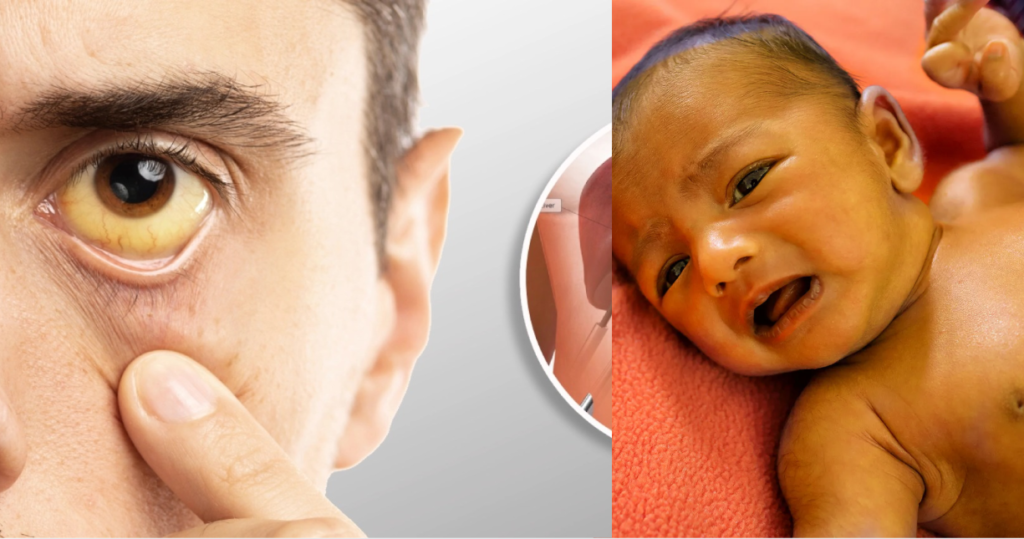
What Is Jaundice and Why Does It Occur?
Jaundice occurs when there is a buildup of bilirubin, a yellow pigment produced during the normal breakdown of red blood cells. When your body cannot properly process or eliminate bilirubin, it accumulates, leading to the characteristic yellowing of the skin and eyes.
The Role of Bilirubin
Bilirubin travels through your bloodstream to the liver, where it is processed and excreted through bile. Any disruption in this process can lead to jaundice.
Types of Jaundice
Understanding the different types helps identify the underlying cause:
Pre-hepatic (Before the Liver)
- Caused by excessive breakdown of red blood cells
- Leads to increased bilirubin production
Hepatic (Liver-Related)
- Results from liver dysfunction
- Common in conditions like hepatitis or liver disease
Post-hepatic (After the Liver)
- Caused by blockage in bile ducts
- Prevents bilirubin from being excreted
Internal linking opportunities: Related topics include Liver Health and Detox, Understanding Hepatitis, Gallbladder Disorders, and Signs of Liver Disease.
Recognizing the Symptoms of Jaundice
Jaundice is often easy to spot, but its associated symptoms provide deeper clues about the underlying issue.
Visible Signs
- Yellowing of the skin and whites of the eyes
- Dark-colored urine
- Pale or clay-colored stools
Physical Symptoms
- Fatigue and weakness
- Abdominal pain, especially in the upper right side
- Nausea and vomiting
Systemic and Advanced Symptoms
- Itchy skin (pruritus)
- Unexplained weight loss
- Fever (in cases of infection)
Recognizing these symptoms early allows you to seek medical evaluation before complications arise.
Step-by-Step: What to Do If You Notice Jaundice
If you or someone you know develops signs of jaundice, taking the right steps can make a significant difference.
Step 1: Observe and Document Symptoms
- Note when symptoms started and how they progress
- Track changes in urine, stool, and energy levels
Step 2: Seek Medical Evaluation
- Consult a healthcare provider promptly
- Blood tests, imaging, and liver function tests may be required
Step 3: Follow Diagnostic Recommendations
- Additional tests may identify infections, liver disease, or bile duct blockages
- Early diagnosis leads to more effective treatment
Advanced Insights: Common Causes of Jaundice
Jaundice is not a disease itself but a symptom of underlying conditions.
Liver-Related Causes
- Hepatitis (viral or alcoholic)
- Cirrhosis (scarring of the liver)
- Fatty liver disease
Blood-Related Causes
- Hemolytic anemia (rapid breakdown of red blood cells)
- Genetic disorders affecting bilirubin metabolism
Obstructive Causes
- Gallstones blocking bile ducts
- Tumors in the liver or pancreas
Newborn Jaundice
- Common due to immature liver function
- Usually resolves on its own but may require monitoring
Troubleshooting: When Jaundice Becomes Serious
Not all cases of jaundice are dangerous, but certain signs indicate a need for urgent care.
Warning Signs to Watch For
- Rapid worsening of yellowing
- Severe abdominal pain
- Confusion or altered mental state
- Persistent vomiting
Preventive Measures
- Maintain a balanced diet to support liver health
- Limit alcohol consumption
- Get vaccinated for hepatitis when appropriate
- Avoid exposure to toxins and unsafe medications
Alternative Approaches and Support
- Hydration and proper nutrition aid recovery
- Medical treatment depends on the underlying cause
- Regular monitoring ensures effective management
Maximizing Liver Health and Preventing Jaundice
Taking care of your liver is one of the best ways to prevent jaundice and maintain overall health.
Daily Habits for Liver Support
- Eat a nutrient-rich diet with fruits, vegetables, and healthy fats
- Stay physically active
- Maintain a healthy weight
Long-Term Health Strategies
- Schedule regular health check-ups
- Monitor liver function if at risk
- Avoid self-medication and consult professionals
Building Awareness and Early Detection
- Learn to recognize subtle changes in your body
- Encourage family members to stay informed
- Early detection leads to better outcomes
Featured Snippet: What Does Jaundice Indicate?
Jaundice indicates a buildup of bilirubin in the body, often caused by liver dysfunction, excessive red blood cell breakdown, or bile duct obstruction. It is a symptom that requires medical evaluation to identify the underlying condition.
Conclusion
Jaundice is a powerful signal from your body that shouldn’t be ignored. Whether it’s caused by a temporary issue or a more serious condition, recognizing the signs early can make a significant difference in your health journey.
By understanding its causes, monitoring symptoms, and seeking timely medical care, you empower yourself to take control of your well-being. Small steps—like maintaining liver health and staying informed—can lead to lasting benefits.
Your health is in your hands. Stay aware, act early, and prioritize the care your body deserves.
Important Disclaimer: This article is for informational purposes only and should not replace professional advice. For health-related topics, consult healthcare providers. For financial or legal matters, seek qualified professional guidance. For safety procedures, verify current best practices and local regulations. Individual results may vary, and personal circumstances should always be considered when implementing any suggestions.