Pain is your body’s way of communicating that something isn’t right—but not all pain means the same thing. From sharp aches to dull discomfort, each sensation can point to a different underlying issue.
In this guide, you’ll learn how to understand what your body pain means, explore potential root causes, and discover practical steps to respond effectively. By tuning into these signals, you can take control of your health, prevent complications, and move toward a more balanced, pain-free life.
Meta Description (150–160 characters): Learn what your body pain means, explore common root causes, and discover practical ways to manage pain and improve overall health naturally.
The Basics: Why Your Body Feels Pain
Understanding pain starts with recognizing its purpose.
What Is Pain?
Pain is a protective mechanism triggered by your nervous system. It alerts you to potential injury, inflammation, or imbalance in the body.
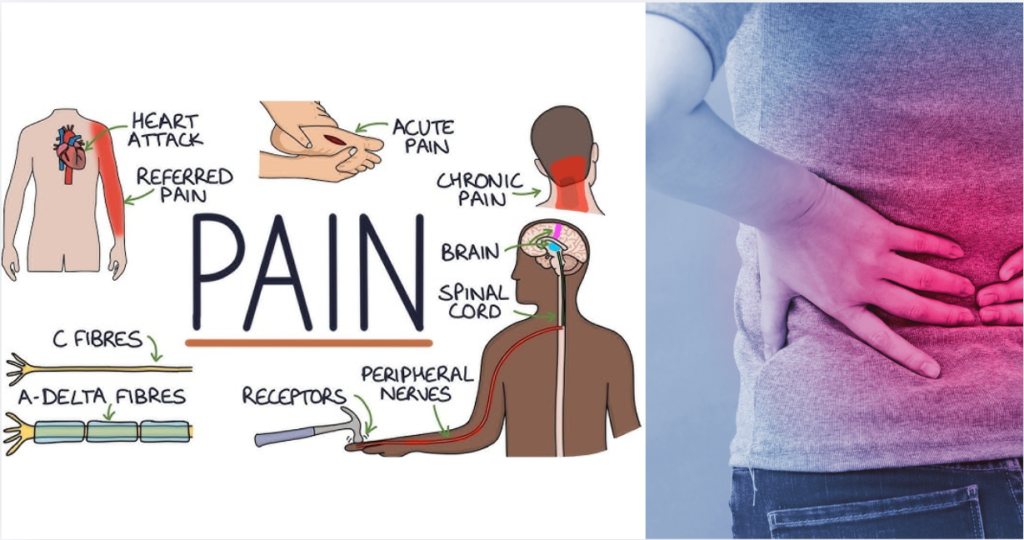
Types of Pain You May Experience
- Acute pain: Short-term, often due to injury
- Chronic pain: Lasts longer than 3 months
- Referred pain: Felt in a different area than the source
- Neuropathic pain: Caused by nerve damage
Each type provides clues about what your body is trying to tell you.
Why Listening to Pain Matters
Ignoring pain can lead to worsening conditions. When you pay attention early, you can:
- Prevent long-term damage
- Improve recovery time
- Maintain overall well-being
Common Body Pain Areas and Their Possible Causes
Different parts of your body can signal different issues.
Head Pain (Headaches)
Possible Causes
- Stress and tension
- Dehydration
- Poor sleep
What It May Mean
Frequent headaches often indicate lifestyle imbalances rather than serious conditions.
Neck and Shoulder Pain
Possible Causes
- Poor posture
- Muscle strain
- Emotional stress
What It May Mean
Spending long hours at a desk or on your phone can create tension in these areas.
Back Pain
Possible Causes
- Weak core muscles
- Improper lifting
- Sedentary lifestyle
What It May Mean
Lower back pain is one of the most common complaints and often linked to daily habits.
Joint Pain
Possible Causes
- Inflammation
- Overuse
- Aging-related wear and tear
What It May Mean
Joint discomfort may signal inflammation or early signs of mobility issues.
Abdominal Pain
Possible Causes
- Digestive issues
- Food intolerance
- Stress
What It May Mean
Gut health plays a major role in overall wellness, and abdominal pain often reflects dietary or emotional factors.
Step-by-Step: How to Identify the Root Cause of Pain
Understanding pain requires a systematic approach.
Step 1: Observe the Pain Pattern
Ask yourself:
- When does the pain occur?
- How long does it last?
- What triggers or relieves it?
Tracking patterns helps reveal underlying causes.
Step 2: Evaluate Lifestyle Factors
Many types of pain are linked to daily habits:
- Poor posture
- Lack of movement
- Inadequate hydration
- Stress levels
Small adjustments can make a big difference.
Step 3: Assess Physical Activity
Both inactivity and overtraining can lead to pain.
- Too little movement weakens muscles
- Too much strain leads to injury
Balance is key.
Step 4: Consider Emotional and Mental Health
Stress and emotional tension often manifest physically.
- Tight shoulders
- Headaches
- Digestive discomfort
Mind-body awareness is essential for true healing.
Advanced Insights: The Mind–Body Connection
Pain is not always purely physical—it can be influenced by your mental state.
How Stress Amplifies Pain
Chronic stress increases muscle tension and inflammation, making pain more noticeable and persistent.
The Role of the Nervous System
Your nervous system controls how pain signals are processed. When overstimulated, it can:
- Heighten sensitivity to pain
- Slow down recovery
Psychosomatic Pain Explained
Sometimes, emotional distress presents as physical symptoms. This doesn’t mean the pain isn’t real—it simply has a deeper origin.
Troubleshooting Common Pain Challenges
Pain management isn’t always straightforward, but solutions exist.
Challenge: Pain That Keeps Returning
- Identify repetitive habits causing strain
- Adjust posture and movement patterns
Challenge: Pain Without Clear Cause
- Look at stress and sleep quality
- Consider dietary influences
Challenge: Ignoring Early Warning Signs
- Address discomfort early
- Avoid waiting until pain becomes severe
Maximizing Recovery and Preventing Future Pain
Once you understand your pain, you can take steps to improve your health.
Build Healthy Daily Habits
- Stay active with regular movement
- Maintain proper posture
- Eat a balanced diet
Incorporate Recovery Practices
- Stretching and mobility exercises
- Relaxation techniques
- Adequate rest
Strengthen Your Body
Strong muscles support joints and reduce the risk of injury. Focus on:
- Core stability
- Flexibility
- Balanced strength training
Featured Snippet: What Does Body Pain Mean?
Body pain is your body’s way of signaling injury, inflammation, stress, or imbalance. The location, type, and duration of pain can help identify its underlying cause and guide appropriate action.
Internal Linking Opportunities
To deepen your understanding, explore related topics such as:
- Stress and its effects on the body
- Posture correction techniques
- Natural remedies for inflammation
- Exercises for back and joint health
- The connection between gut health and overall wellness
Conclusion
Your body speaks through pain—and learning to understand those signals can transform your health. By identifying patterns, addressing root causes, and making simple lifestyle changes, you can reduce discomfort and improve your overall well-being.
Remember, pain is not your enemy—it’s a guide. When you listen, respond, and take action, you empower yourself to heal and grow stronger.
Start paying attention today—your body is already telling you what it needs.
Important Disclaimer: This article is for informational purposes only and should not replace professional advice. For health-related topics, consult healthcare providers. Individual results may vary.