Managing pain and promoting recovery effectively often comes down to a simple choice: cold or hot compress. Knowing when to use each can transform how you heal from injuries, manage chronic discomfort, or relieve everyday aches. Understanding the science behind temperature therapy empowers you to take control of your well-being.
Meta Description: Discover when to use a cold or hot compress for pain relief, recovery, and healing with practical tips and expert guidance for optimal results.
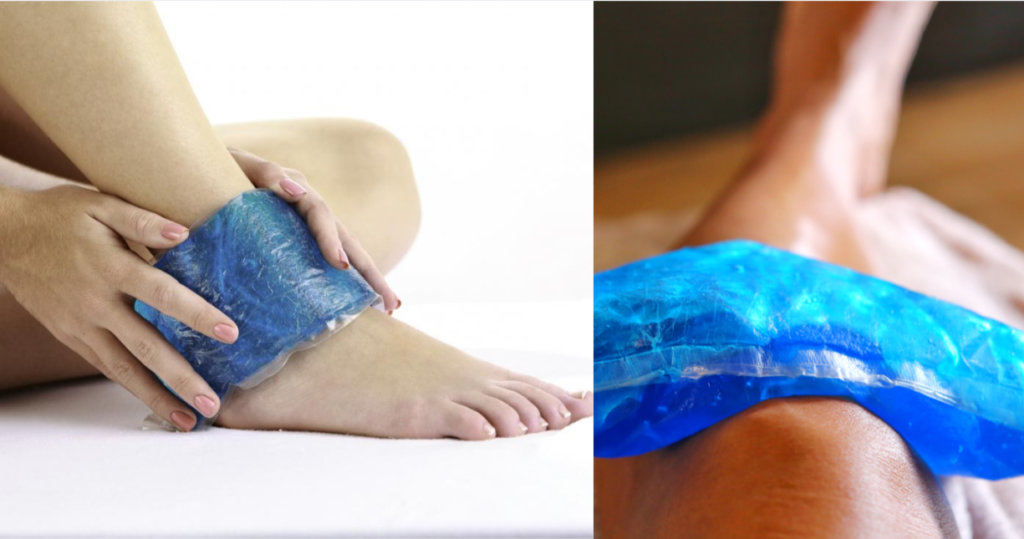
Understanding Cold and Hot Therapy
Temperature therapy, also called thermotherapy (heat) and cryotherapy (cold), is a foundational technique for pain relief and recovery. Both methods work by influencing blood flow, inflammation, and nerve signaling—but in different ways.
How Cold Compress Works
- Reduces blood flow to the affected area
- Minimizes inflammation and swelling
- Numbs nerve endings to reduce pain
How Hot Compress Works
- Increases blood flow to relax muscles
- Loosens stiff joints and tissues
- Promotes healing and eases chronic tension
Understanding these basic mechanisms helps you decide which approach suits your situation.
When to Use a Cold Compress
Cold therapy is most effective during the acute phase of an injury or sudden inflammation.
Ideal Situations for Cold Therapy
- Sprains and strains
- Bruises or contusions
- Minor burns or swelling
- Post-workout inflammation
Step-by-Step Cold Compress Application
- Use an ice pack or a bag of frozen vegetables wrapped in a thin towel.
- Apply to the affected area for 15–20 minutes at a time.
- Repeat every 2–3 hours during the first 48 hours.
- Avoid direct skin contact to prevent frostbite.
Benefits You’ll Notice
- Reduced swelling and redness
- Quick pain relief
- Prevention of further tissue damage
When to Use a Hot Compress
Heat therapy shines when dealing with chronic pain, muscle tension, or stiffness.
Ideal Situations for Heat Therapy
- Sore or tight muscles
- Menstrual cramps
- Joint stiffness from arthritis
- Chronic back or neck pain
Step-by-Step Hot Compress Application
- Use a heating pad, hot water bottle, or warm towel.
- Apply for 15–20 minutes to allow deep tissue relaxation.
- Ensure the heat is comfortable, not too hot, to avoid burns.
- Repeat as needed, usually 2–3 times per day.
Benefits You’ll Notice
- Relaxed muscles and improved flexibility
- Increased blood flow aiding recovery
- Reduced stiffness and discomfort
Advanced Strategies and Pro Tips
Alternating Cold and Heat
For some injuries, alternating between cold and heat can speed recovery. This is called contrast therapy and is especially helpful for:
- Chronic tendon or joint pain
- Muscle soreness after intense exercise
- Post-injury recovery after the initial swelling subsides
Timing Considerations
- Use cold within the first 24–48 hours of injury
- Transition to heat after swelling decreases
- Always monitor your body’s response to avoid irritation
Combining Therapy with Movement
- Gentle stretching with heat can maximize muscle relaxation
- Cold therapy followed by mild movement helps prevent stiffness
Troubleshooting Common Challenges
Even with the right method, challenges may arise.
“My Ice Pack Feels Too Cold”
- Wrap it in a thin cloth
- Limit applications to 15–20 minutes
- Take short breaks between sessions
“Heat Isn’t Helping My Pain”
- Ensure the compress is warm enough to penetrate tissue
- Pair with gentle movement or massage
- Avoid heat on inflamed or swollen areas
“Swelling Persists”
- Consult a healthcare provider if swelling doesn’t improve
- Combine cold therapy with elevation
- Consider anti-inflammatory strategies such as rest and hydration
Maximizing Recovery and Relief
To get the best results from compress therapy:
- Keep a routine: apply cold or heat consistently as guided
- Listen to your body: avoid overuse or excessive temperatures
- Combine with other supportive practices: hydration, rest, and nutrition
- Maintain proper posture and ergonomics to prevent recurring pain
Complementary Topics to Explore
- Key Manifestations of Tuberculosis (TB) and early detection tips
- Foods to De-Bloat and Flatten Your Belly Naturally
- Top Foods to Support Hair and Nail Health
- Quick Home Remedies for Muscle and Joint Pain
These topics provide additional ways to support your body’s overall wellness alongside temperature therapy.
Conclusion
Knowing when to use a cold or hot compress gives you a powerful tool to manage pain, speed recovery, and prevent further injury. Cold therapy calms swelling and eases acute pain, while heat therapy relaxes muscles and relieves chronic discomfort. By understanding your body’s needs, following proper application techniques, and combining therapies with supportive lifestyle habits, you can take control of your healing process and enjoy a more comfortable, active life.
Empower yourself today—observe your body, apply the right therapy, and watch your recovery transform.
Important Disclaimer: This article is for informational purposes only and should not replace professional advice. For health-related topics, consult healthcare providers. Individual results may vary, and personal circumstances should always be considered when implementing any suggestions.