Meta Description: Dry mouth isn’t just uncomfortable—it poses serious risks to your teeth beyond sugar. Learn causes, consequences, and actionable steps to protect oral health.
A dry mouth might seem like a minor inconvenience, but it can silently threaten your oral health. While sugar is often blamed for cavities and tooth decay, dry mouth—or xerostomia—can be equally damaging, creating an environment where bacteria thrive and enamel weakens.
In this article, you’ll discover what causes dry mouth, why it’s a hidden danger to your teeth, and practical strategies to protect your smile. By understanding the risks and implementing effective solutions, you can transform your oral care routine and keep your teeth strong and healthy—even if sugar isn’t the main culprit.
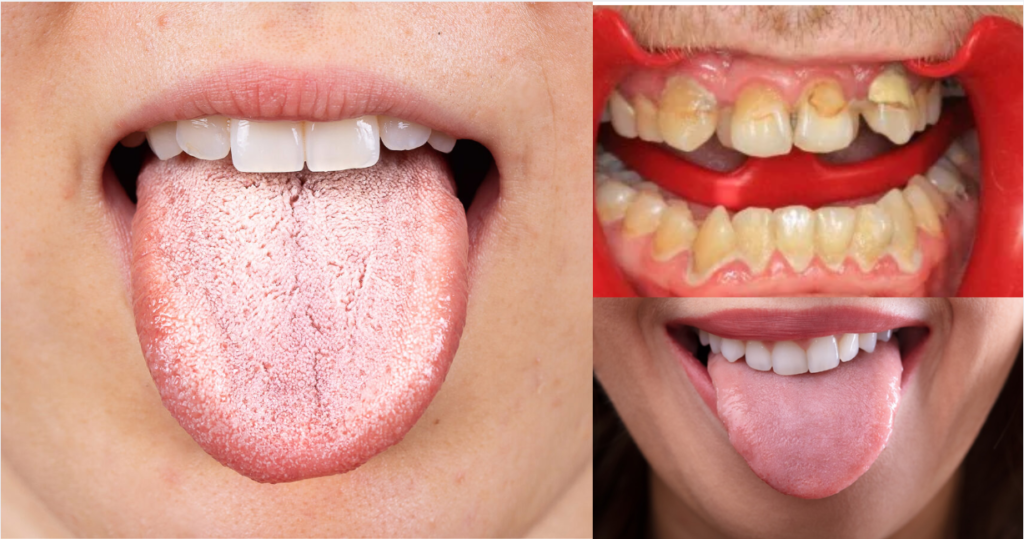
Understanding Dry Mouth and Its Effects on Oral Health
Dry mouth occurs when your salivary glands don’t produce enough saliva to keep your mouth moist. Saliva plays a crucial role in protecting teeth, so its absence can have serious consequences.
Why Saliva Matters
- Neutralizes acids: Saliva helps balance pH levels in the mouth, preventing enamel erosion.
- Fights bacteria: It contains antimicrobial properties that reduce cavity-causing bacteria.
- Aids digestion: Saliva begins the breakdown of food and helps move it along your digestive tract.
Without enough saliva, your teeth are more susceptible to decay, gum disease, and other oral health issues—even if you avoid sugary foods.
Common Causes of Dry Mouth
Several factors can lead to xerostomia, including:
- Medications: Antihistamines, antidepressants, and certain blood pressure drugs
- Medical conditions: Diabetes, Sjögren’s syndrome, and autoimmune disorders
- Lifestyle factors: Smoking, alcohol consumption, and dehydration
- Aging: Salivary gland function naturally declines with age
Recognizing these triggers is the first step to preventing long-term dental damage.
Internal linking opportunities: Related articles include Top Foods for Healthy Teeth, Signs Your Gums Are at Risk, and Managing Tooth Sensitivity.
How Dry Mouth Contributes to Tooth Decay
Many people assume cavities only come from sugar, but insufficient saliva creates a fertile environment for bacteria to thrive.
The Bacterial Connection
- Plaque buildup: Reduced saliva allows plaque to accumulate faster.
- Acid attack: Bacteria convert leftover food particles into acids that erode enamel.
- Increased cavities: Teeth are less protected and more prone to decay.
Even people with excellent oral hygiene can experience dental issues if dry mouth is left untreated.
Additional Risks Beyond Cavities
- Bad breath (halitosis)
- Gum irritation and inflammation
- Difficulty wearing dentures or enjoying certain foods
- Fungal infections, like oral thrush
Step-by-Step Methods to Combat Dry Mouth
Taking proactive steps can help restore moisture and protect your teeth from long-term damage.
Step 1: Hydrate Consistently
- Drink water throughout the day
- Avoid caffeinated and sugary beverages that can worsen dryness
- Keep a water bottle handy for regular sips
Step 2: Stimulate Saliva Production
- Chew sugar-free gum or suck on sugar-free lozenges
- Eat foods with natural moisture, like fruits and vegetables
- Consider saliva stimulants prescribed by a dentist if needed
Step 3: Maintain Excellent Oral Hygiene
- Brush with fluoride toothpaste twice daily
- Floss daily to remove plaque between teeth
- Use an alcohol-free mouthwash designed for dry mouth
Advanced Strategies and Pro Tips
For persistent dry mouth, more advanced techniques may be necessary.
Customize Your Oral Care Routine
- Use toothpaste formulated for dry mouth and sensitivity
- Apply fluoride gels or rinses for extra enamel protection
- Consider remineralizing treatments recommended by a dentist
Lifestyle Adjustments
- Reduce alcohol and caffeine intake
- Quit smoking, which worsens dryness
- Use a humidifier at night to maintain oral moisture
Professional Interventions
- Prescription saliva substitutes or stimulants
- Treatment for underlying medical conditions contributing to xerostomia
- Regular dental checkups to monitor for early signs of decay
Troubleshooting Common Challenges
Dry mouth can be frustrating, but solutions exist.
Difficulty Sleeping or Waking Up With a Dry Mouth
- Keep water near your bed
- Avoid sleeping pills or medications that worsen dryness
- Use a bedside humidifier
Persistent Bad Breath
- Maintain consistent oral hygiene
- Consider rinsing with a mild baking soda solution
- Schedule professional cleanings every six months
Denture Discomfort
- Use moisturizing denture adhesives
- Rinse dentures thoroughly before and after use
- Ensure proper denture fit to avoid irritation
Maximizing Results and Long-Term Care
Protecting your teeth from dry mouth requires consistent, long-term strategies.
- Combine hydration, oral hygiene, and saliva stimulation daily
- Schedule routine dental exams to catch early problems
- Pair lifestyle changes with professional guidance for optimal results
By staying proactive, you can prevent tooth decay, maintain fresh breath, and enjoy comfortable oral health—even with chronic dry mouth.
Featured Snippet: Can Dry Mouth Damage Teeth Without Sugar?
Yes. Even without sugar, dry mouth can lead to cavities, enamel erosion, and gum disease. Saliva protects teeth by neutralizing acids and washing away bacteria, so reduced saliva increases oral health risks.
Conclusion: Take Charge of Your Oral Health
Dry mouth is more than an inconvenience—it’s a hidden danger to your teeth. By understanding the causes, implementing daily strategies, and seeking professional care when needed, you can protect your teeth from decay and maintain a healthy, confident smile.
Start today by staying hydrated, stimulating saliva, and keeping up with oral hygiene. Small, consistent changes can transform your dental health and reduce the hidden risks of dry mouth.
Important Disclaimer: This article is for informational purposes only and should not replace professional advice. For health-related topics, consult healthcare providers. Individual results may vary, and personal circumstances should always be considered when implementing any suggestions.