Meta Description: Discover the early warning signs and symptoms of Hashimoto’s disease. Learn to spot thyroid imbalances early for better energy, mood, and long-term health.
Introduction
Have you been feeling unusually tired, gaining weight despite a healthy diet, or noticing changes in your mood? These could be subtle signals of Hashimoto’s disease, an autoimmune disorder affecting the thyroid. Early recognition of symptoms is key to managing the condition effectively, preventing long-term complications, and reclaiming your energy and vitality.
In this guide, you’ll uncover the early warning signs and symptoms of Hashimoto’s disease, understand the underlying mechanisms, and learn practical strategies to support thyroid health. By recognizing these indicators early, you can take control of your health, work with your healthcare provider, and make informed lifestyle choices to feel your best every day.
Section 1: Foundation – Understanding Hashimoto’s Disease
Before diving into symptoms, it’s essential to grasp the basics of Hashimoto’s disease and its impact on the body.
H3: What Is Hashimoto’s Disease?
Hashimoto’s disease is an autoimmune condition in which your immune system mistakenly attacks the thyroid gland. This chronic inflammation often leads to hypothyroidism, a state where the thyroid produces insufficient hormones.
The thyroid plays a critical role in regulating metabolism, energy levels, body temperature, and mood. Even small imbalances can have noticeable effects.
H3: Causes and Risk Factors
Several factors contribute to Hashimoto’s disease, including:
- Genetics: A family history of thyroid disease increases risk
- Gender and age: Women are more commonly affected, particularly in middle age
- Environmental triggers: Iodine intake, stress, and exposure to toxins
- Other autoimmune conditions: Such as type 1 diabetes or rheumatoid arthritis
H3: Why Early Detection Matters
Early detection allows for timely treatment, which can prevent:
- Severe fatigue and weight gain
- Cardiovascular complications
- Cognitive difficulties like memory and focus issues
- Long-term hormonal imbalance
Recognizing early signs empowers you to work proactively with your healthcare provider.
Section 2: Step-by-Step Process – Recognizing Early Symptoms
Hashimoto’s disease often develops gradually, making early detection tricky. Paying attention to subtle changes is critical.
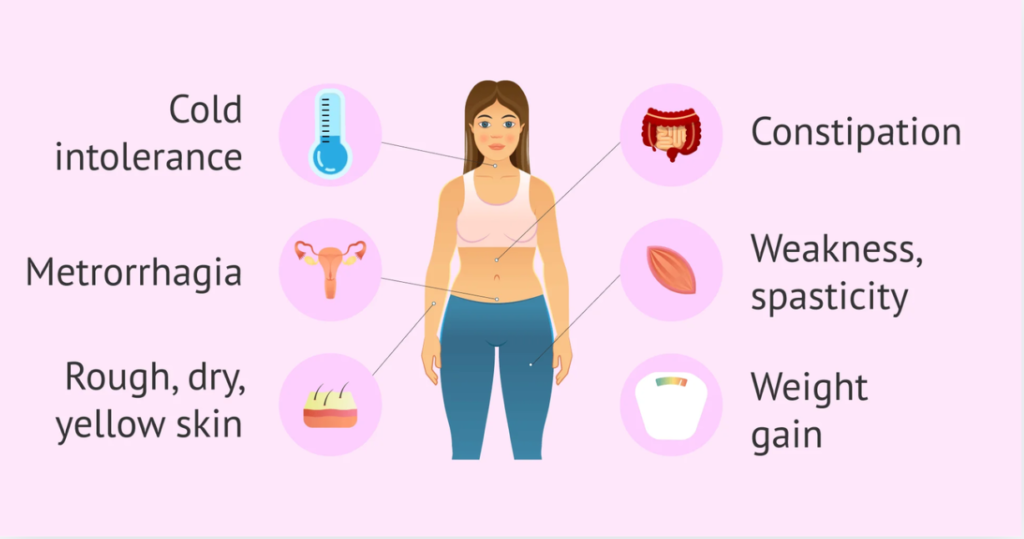
H3: 1. Fatigue and Low Energy
One of the first and most common symptoms is persistent fatigue, even after adequate sleep. You may notice:
- Feeling tired in the morning despite rest
- Difficulty concentrating at work or home
- Reduced motivation for daily activities
H3: 2. Weight Changes
Even with proper diet and exercise, Hashimoto’s disease can lead to:
- Unexplained weight gain
- Difficulty losing weight
- Water retention or bloating
H3: 3. Mood Swings and Mental Fog
Thyroid hormones impact neurotransmitters, so imbalances may cause:
- Depression or anxiety
- Irritability and emotional sensitivity
- Brain fog, forgetfulness, and slowed thinking
H3: 4. Cold Sensitivity
Low thyroid hormones can reduce metabolism, leading to:
- Feeling unusually cold
- Cold hands and feet
- Lower tolerance for cold environments
H3: 5. Changes in Hair, Skin, and Nails
- Hair thinning, especially on the outer edges of eyebrows
- Dry, rough, or pale skin
- Brittle nails prone to breakage
H3: 6. Digestive and Metabolic Shifts
- Constipation or slower digestion
- Reduced appetite, yet weight gain due to slowed metabolism
- Bloating or discomfort
H3: 7. Swelling in the Neck (Goiter)
In some cases, the thyroid enlarges, causing:
- A noticeable lump or fullness in the neck
- Sensation of tightness or pressure
- Difficulty swallowing in severe cases
Section 3: Advanced Strategies – Pro Tips for Early Detection
Identifying Hashimoto’s disease early can help you maintain optimal thyroid function and prevent complications.
H3: Keep a Symptom Journal
Tracking changes in energy, mood, weight, and digestion helps you notice subtle patterns over time. Include:
- Sleep quality
- Diet and fluid intake
- Emotional and cognitive changes
H3: Seek Regular Testing
Ask your healthcare provider about:
- TSH (Thyroid Stimulating Hormone) levels
- Free T4 and Free T3
- Thyroid antibodies (TPOAb and TgAb)
Early lab detection can confirm Hashimoto’s before severe symptoms appear.
H3: Lifestyle Adjustments for Thyroid Health
- Balanced diet: Emphasize whole foods, adequate protein, and selenium-rich foods like Brazil nuts
- Stress management: Meditation, yoga, and mindfulness support thyroid function
- Exercise: Moderate, consistent activity boosts metabolism and supports energy levels
Section 4: Troubleshooting Common Challenges
Even with awareness, managing early Hashimoto’s symptoms can be complex.
H4: Overlapping Symptoms
Many symptoms overlap with other conditions like depression, anemia, or chronic fatigue syndrome. Keeping a detailed journal and seeking lab tests is essential for accurate diagnosis.
H4: Coping With Gradual Changes
- Be patient: thyroid adjustments take time
- Implement small, sustainable lifestyle changes
- Work closely with your healthcare provider to adjust treatment as needed
H4: Managing Emotional Strain
- Join support groups for autoimmune thyroid disorders
- Practice self-care routines to reduce stress
- Celebrate small health improvements to stay motivated
Section 5: Maximizing Results – Long-Term Thyroid Health
Once early detection is established, focusing on long-term management is key.
H3: Ongoing Monitoring
- Schedule regular thyroid panels
- Monitor symptoms for fluctuations
- Adjust lifestyle and medication under medical guidance
H3: Complementary Approaches
- Gut health: Probiotics and fiber-rich foods can reduce inflammation
- Nutrient support: Selenium, zinc, and vitamin D may support thyroid function
- Sleep optimization: Prioritize 7–9 hours for hormone balance
H3: Internal Linking Opportunities
- “Diet Strategies for Hypothyroidism”
- “Natural Ways to Boost Energy with Thyroid Conditions”
- “Stress Management Techniques for Autoimmune Health”
- “Exercise Plans Safe for Thyroid Patients”
- “Understanding Lab Tests for Thyroid Function”
Featured Snippet: What Are the First Signs of Hashimoto’s Disease?
Early signs of Hashimoto’s disease often include fatigue, unexplained weight gain, mood swings, cold sensitivity, hair thinning, dry skin, and constipation. Monitoring these changes and consulting a healthcare provider for thyroid testing can help confirm the diagnosis and guide early treatment.
Conclusion
Recognizing the early warning signs and symptoms of Hashimoto’s disease empowers you to take control of your health before severe complications arise. By tracking changes, seeking timely testing, and implementing supportive lifestyle habits, you can protect thyroid function, boost energy, and improve your overall quality of life.
Start with small, actionable steps: maintain a symptom journal, prioritize balanced nutrition, and incorporate stress management. With consistent care and professional guidance, you can successfully navigate Hashimoto’s disease and enjoy renewed vitality and wellness.
Remember, awareness is the first step toward action—you have the power to transform your health and reclaim your energy.
Important Disclaimer: This article is for informational purposes only and should not replace professional advice. For health-related topics, consult healthcare providers. Individual results may vary, and personal circumstances should always be considered when implementing any suggestions.