Meta Description: Discover the causes of red eyes and lack of sleep, understand their effects, and explore effective solutions to restore your rest and eye health.
Introduction
Have you ever woken up feeling exhausted, only to catch a glimpse of yourself in the mirror and notice bloodshot, irritated eyes? Red eyes combined with lack of sleep is a common struggle in today’s fast-paced world. Fatigue, stress, and screen time can all contribute to this frustrating combination, leaving you feeling drained and less focused.
This guide will help you understand why your eyes become red when you’re sleep-deprived, what impacts this can have on your health, and most importantly, the actionable steps you can take to alleviate these symptoms. By following practical strategies, you can restore both your sleep quality and eye health, helping you look refreshed and feel energized.
Section 1: Foundations – Understanding Red Eyes and Sleep Deprivation
Understanding the root causes of red eyes and sleep deprivation is the first step toward effective solutions.
H3: Common Causes of Red Eyes
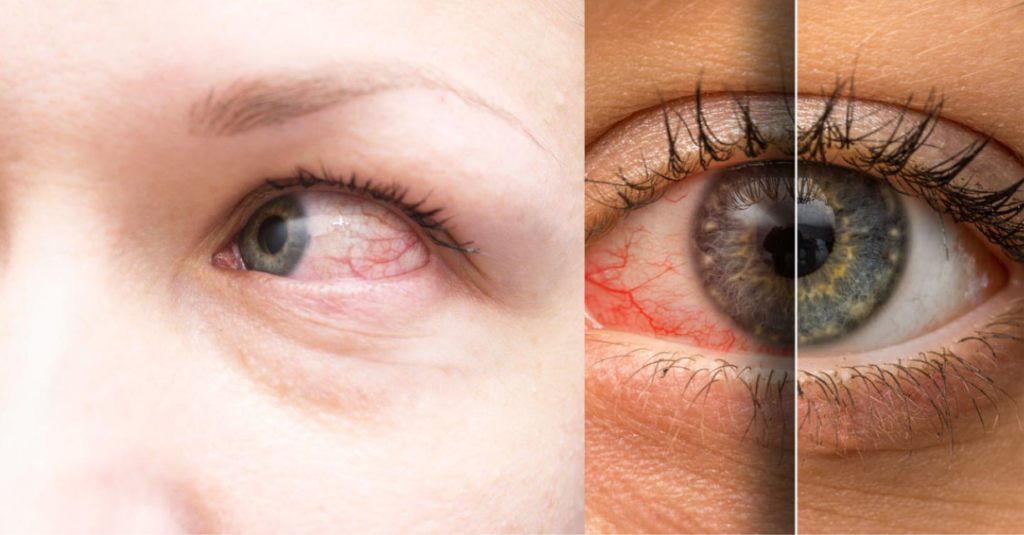
- Lack of Sleep: Sleep deprivation causes blood vessels in the eyes to dilate, resulting in redness.
- Dry Eyes: Reduced tear production during fatigue can make eyes appear irritated and red.
- Allergies and Irritants: Dust, pollen, and smoke can trigger eye redness, especially when the immune system is weakened.
- Excessive Screen Time: Prolonged exposure to screens leads to eye strain and dryness.
H3: How Lack of Sleep Affects Your Body
- Impaired cognitive function, slower reaction times, and reduced focus.
- Increased stress levels and decreased mood stability.
- Weakened immune system, making you more susceptible to infections.
- Higher risk of long-term conditions like hypertension and diabetes.
H3: Why Your Eyes Show Fatigue First
The eyes are highly sensitive to changes in circulation and hydration. Redness often appears before other signs of fatigue, serving as a visible alert that your body needs rest and care.
Section 2: Step-by-Step Solutions for Better Sleep and Eye Health
Fortunately, there are practical steps you can take to reduce red eyes and improve sleep quality.
H3: Sleep Hygiene Fundamentals
- Maintain a Consistent Schedule: Go to bed and wake up at the same time daily.
- Create a Relaxing Routine: Avoid screens 1–2 hours before bedtime. Consider reading, meditating, or gentle stretching.
- Optimize Your Environment: Keep your bedroom dark, quiet, and cool. Use blackout curtains or eye masks if needed.
H3: Eye Care Practices
- Hydration: Drink water throughout the day to prevent dry eyes.
- Artificial Tears or Lubricating Eye Drops: Help maintain moisture, especially after screen exposure.
- Cold Compresses: Reduce redness and soothe irritated eyes in minutes.
H3: Nutrition and Lifestyle Support
- Magnesium and Melatonin-Rich Foods: Almonds, bananas, and tart cherries can help regulate sleep.
- Limit Stimulants: Reduce caffeine and sugar intake in the evening to avoid sleep disruption.
- Exercise: Moderate daily activity improves circulation and promotes deeper sleep.
Section 3: Advanced Strategies and Pro Tips
Once basic solutions are in place, these advanced strategies can enhance results.
H3: Managing Digital Eye Strain
- Follow the 20-20-20 rule: Every 20 minutes, look at something 20 feet away for 20 seconds.
- Adjust screen brightness and use blue light filters during evening hours.
- Maintain proper posture and ergonomics to reduce strain.
H3: Natural Remedies for Red Eyes
- Cucumber Slices or Cold Tea Bags: Place over closed eyes for 10–15 minutes to soothe irritation.
- Aloe Vera Gel or Rose Water Pads: Lightly applied, these can calm inflammation.
H3: Sleep Enhancement Techniques
- Progressive Muscle Relaxation: Helps reduce tension before sleep.
- Breathing Exercises: Deep breathing stimulates the parasympathetic nervous system, preparing your body for rest.
- Mindful Journaling: Writing down worries can prevent nighttime overthinking.
Section 4: Troubleshooting Common Challenges
Even with good habits, obstacles may arise. Here’s how to handle them.
H4: Persistent Red Eyes
- Rule out allergies or infections—consult an eye specialist if redness persists.
- Avoid rubbing eyes, which can worsen irritation.
H4: Difficulty Falling Asleep
- Adjust bedtime gradually by 15–30 minutes.
- Limit alcohol before bed, as it disrupts REM sleep.
H4: Fatigue Despite Adequate Sleep
- Check for underlying conditions like sleep apnea or thyroid imbalances.
- Evaluate your caffeine consumption and late-night screen exposure.
Section 5: Maximizing Results for Long-Term Health
Maintaining healthy eyes and good sleep requires a consistent, holistic approach.
H3: Build Sustainable Habits
- Prioritize sleep as a non-negotiable part of your routine.
- Incorporate breaks during screen time and practice regular eye exercises.
H3: Combine Nutrition and Lifestyle
- Eat a balanced diet rich in antioxidants, omega-3s, and vitamins A, C, and E.
- Exercise regularly to improve circulation, reduce stress, and enhance sleep quality.
H3: Track Your Progress
- Keep a sleep diary to monitor patterns and triggers.
- Note improvements in eye appearance and energy levels to reinforce positive habits.
Conclusion
Red eyes and lack of sleep are more than cosmetic concerns—they signal your body’s need for rest and care. By understanding the causes and implementing effective solutions, you can restore eye health, enhance sleep quality, and feel more energized daily.
Start with foundational sleep hygiene, combine it with eye care practices, and gradually integrate advanced strategies for long-term results. With consistent effort, you can reduce redness, improve rest, and transform your overall well-being. Take charge of your sleep and eye health today—you deserve to look and feel your best.
Important Disclaimer: This article is for informational purposes only and should not replace professional advice. For health-related topics, consult healthcare providers. Individual results may vary, and personal circumstances should always be considered when implementing any suggestions.