Meta Description: Discover how emotions influence thyroid health and learn practical ways to support your mind–body wellness for balanced energy and hormonal health.
Introduction
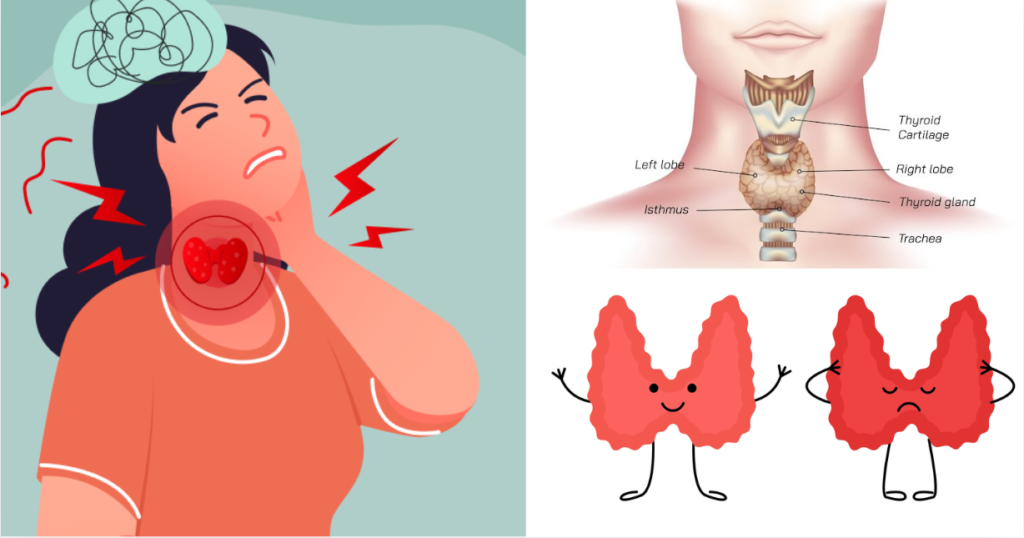
Have you ever noticed that stress, anxiety, or persistent low mood seems to affect your energy, weight, or overall health? Your thyroid, a small yet mighty gland at the base of your neck, plays a central role in regulating metabolism, energy levels, and mood stability. Surprisingly, your emotions and mental state can directly influence thyroid function, creating a fascinating mind–body connection.
In this article, you’ll uncover how emotional health impacts thyroid wellness, explore science-backed strategies for balance, and learn actionable ways to nurture both your mental and thyroid health simultaneously. By understanding this connection, you can take practical steps toward feeling more energetic, focused, and emotionally resilient.
Section 1: Understanding the Basics of Thyroid and Emotions
H3: What is the Thyroid Gland?
The thyroid is a butterfly-shaped gland responsible for producing hormones like T3 and T4, which regulate metabolism, heart rate, and body temperature. When thyroid function is disrupted, it can manifest as hypothyroidism (low function) or hyperthyroidism (overactive function).
H3: How Emotions Affect Thyroid Function
- Chronic stress: Elevated cortisol from stress can suppress thyroid hormone production.
- Anxiety and mood disorders: Emotional instability may exacerbate thyroid imbalances, leading to fatigue, weight changes, or sleep issues.
- Positive emotional practices: Mindfulness, relaxation, and social support can improve thyroid hormone balance and overall wellness.
H3: The Science Behind the Mind–Body Connection
Studies suggest a bidirectional relationship: thyroid dysfunction can impact neurotransmitters like serotonin, affecting mood, while persistent negative emotions can alter hormone signaling, influencing thyroid activity. This interconnectedness emphasizes the importance of addressing both mental and physical health.
Section 2: Lifestyle Strategies to Support Thyroid Health
H3: Balanced Nutrition for Mind and Gland
- Iodine-rich foods: Seaweed, dairy, and eggs support hormone production.
- Selenium sources: Brazil nuts, fish, and legumes protect thyroid tissue.
- Anti-inflammatory foods: Fresh fruits, vegetables, and omega-3 fatty acids help reduce oxidative stress.
H3: Stress Management Techniques
- Meditation and breathing exercises: Calm the nervous system and reduce cortisol spikes.
- Journaling: Helps process emotions, which can indirectly support thyroid function.
- Yoga or gentle movement: Enhances circulation and mental clarity.
H3: Sleep and Recovery
Adequate sleep is essential for hormone regulation. Establishing a consistent bedtime routine and reducing blue light exposure can enhance thyroid hormone balance and emotional resilience.
Section 3: Advanced Mind–Body Approaches
H3: Mindfulness and Emotional Awareness
Regular mindfulness practice not only reduces stress but may improve immune regulation, supporting healthy thyroid activity. Tracking emotions and responses can reveal patterns linked to thyroid flare-ups or fatigue.
H3: Cognitive Behavioral Strategies
CBT techniques help restructure negative thought patterns, decreasing stress-induced cortisol and potentially improving thyroid stability. This approach is particularly helpful for people struggling with anxiety or mood swings alongside thyroid issues.
H3: Complementary Therapies
- Acupuncture: May improve circulation and hormone regulation.
- Massage or bodywork: Reduces tension that can contribute to stress-related thyroid disruption.
- Herbal support: Adaptogens like ashwagandha may help modulate the stress response, but always consult a healthcare provider before use.
Section 4: Troubleshooting Common Challenges
H4: Persistent Fatigue Despite Diet and Sleep
- Check thyroid hormone levels with your healthcare provider.
- Incorporate gentle physical activity like walking to boost metabolism.
H4: Mood Swings and Emotional Volatility
- Track triggers in a journal.
- Integrate stress-reducing practices like deep breathing or short meditation breaks.
H4: Difficulty Maintaining Consistent Wellness Routine
- Start with small, achievable goals.
- Use reminders or habit trackers to reinforce positive routines.
H4: When to Seek Professional Help
If emotional distress is severe, persistent, or paired with noticeable thyroid symptoms, it’s crucial to consult an endocrinologist or mental health professional for tailored guidance.
Section 5: Maximizing Thyroid and Emotional Wellness
H3: Build a Holistic Routine
- Morning sunlight exposure: Supports circadian rhythm and hormonal balance.
- Regular meals with nutrient-rich foods: Stabilizes energy and mood.
- Social engagement: Positive interactions help buffer stress and improve resilience.
H3: Monitor and Adapt
Keep track of your energy, mood, and thyroid lab results to observe patterns. Adjust lifestyle choices based on what positively affects both mental and thyroid health.
H3: Integrate Multiple Approaches
Combining nutrition, emotional practices, and targeted therapies can amplify results, creating a sustainable strategy for overall well-being.
Conclusion
Understanding the link between emotions and thyroid health empowers you to take charge of your wellness. By incorporating mindful practices, balanced nutrition, stress management, and professional guidance, you can nurture both your mind and your thyroid.
Remember, small, consistent steps—like a morning meditation, a nutrient-rich meal, or a short mindful walk—can have a profound impact on your overall energy, mood, and hormonal health. Embrace this holistic approach and unlock a stronger, more balanced you.
Important Disclaimer: This article is for informational purposes only and should not replace professional advice. For health-related topics, consult healthcare providers. Individual results may vary, and personal circumstances should always be considered when implementing any suggestions.