Meta Description: Discover how hot–cold therapy can relieve headaches and migraines, exploring techniques, benefits, and expert tips for natural pain relief.
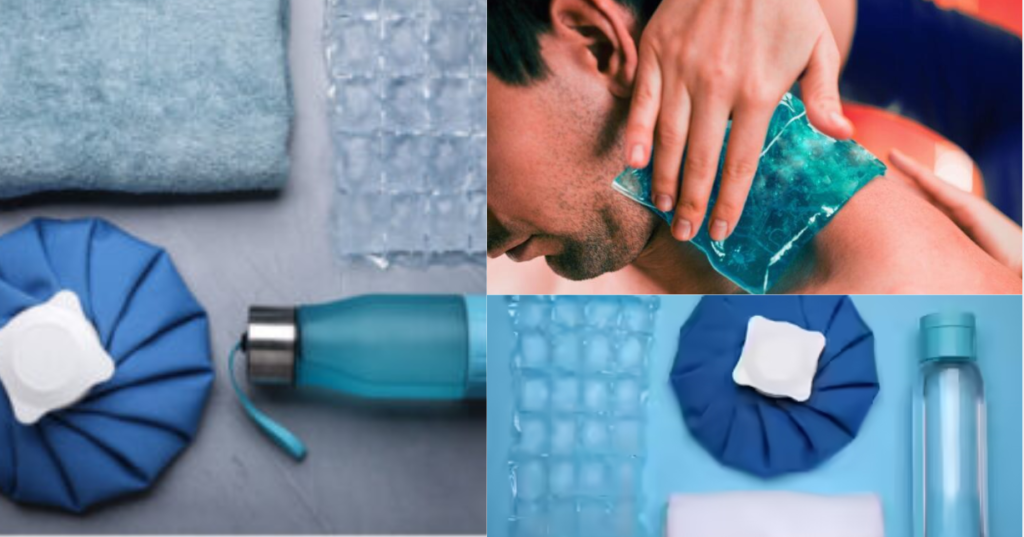
Introduction
If you’ve ever suffered from a headache or migraine, you know how debilitating it can be. Sometimes, over-the-counter painkillers aren’t enough, and you may be searching for natural ways to relieve discomfort. Hot–cold therapy offers a simple, accessible method to reduce pain, improve circulation, and help your body manage migraine symptoms.
In this guide, we’ll explore how alternating heat and cold can ease tension, why it works, and practical ways to incorporate it into your headache management routine. By the end, you’ll have actionable strategies to soothe pain naturally and regain control over your day.
Section 1: Understanding Headaches and Migraines
H3: Types of Headaches
- Tension headaches: Often caused by stress, muscle strain, or poor posture.
- Migraines: Severe, throbbing pain sometimes accompanied by nausea, sensitivity to light, and aura.
- Cluster headaches: Intense, localized pain often around the eye.
Knowing your headache type can help determine whether hot–cold therapy is appropriate.
H3: How Headaches Affect the Body
- Constriction or dilation of blood vessels in the brain can trigger pain.
- Muscle tension in the neck, shoulders, and scalp may contribute to discomfort.
- Stress and fatigue often amplify the severity of symptoms.
Section 2: Hot–Cold Therapy Basics
H3: Why Temperature Therapy Works
Hot and cold treatments affect the body differently:
- Cold therapy (ice packs):
- Constricts blood vessels, reducing inflammation and numbing pain.
- Effective for sudden migraine onset or throbbing headaches.
- Heat therapy (warm compresses):
- Relaxes tense muscles, improves circulation, and eases stiffness.
- Ideal for tension headaches or neck/shoulder tightness.
H3: Choosing the Right Method
- Cold therapy is typically applied to the forehead or temples.
- Heat therapy works well on the back of the neck, shoulders, or scalp.
- For alternating therapy, switch between 5–10 minutes of cold and 10–15 minutes of heat.
Section 3: Step-by-Step Hot–Cold Application
H3: Cold Therapy Steps
- Wrap ice cubes or a cold pack in a thin towel.
- Apply to the forehead or temples for 10–15 minutes.
- Remove and allow skin to return to normal temperature before repeating if needed.
H3: Heat Therapy Steps
- Use a warm compress, heating pad, or warm towel.
- Apply to the neck, shoulders, or scalp for 15–20 minutes.
- Focus on areas of tight muscle tension to maximize relief.
H3: Alternating Technique
- Begin with cold therapy to reduce pain intensity.
- Switch to heat therapy to relax muscles and restore blood flow.
- Repeat the cycle 1–2 times, ensuring comfort and avoiding extreme temperatures.
Section 4: Advanced Tips and Precautions
H3: Combining with Other Strategies
- Gentle stretching of the neck and shoulders enhances heat therapy benefits.
- Hydration and quiet rest can amplify pain relief.
- Pair therapy with relaxation techniques, such as deep breathing or meditation, for holistic results.
H3: Precautions
- Avoid applying ice directly to the skin to prevent frostbite.
- Limit heat packs to safe temperatures to prevent burns.
- Individuals with circulation issues or diabetes should consult a healthcare provider before using hot–cold therapy.
H3: When to Seek Medical Help
- Headaches that worsen rapidly or differ from your usual pattern.
- Migraines accompanied by vision changes, numbness, or confusion.
- Persistent pain not relieved by home remedies or OTC medication.
Section 5: Maximizing Long-Term Headache Relief
H3: Lifestyle Integration
- Regular hot–cold therapy can become part of a preventive routine.
- Incorporate posture correction, ergonomic adjustments, and stress management.
- Track triggers and responses to therapy for personalized headache management.
H3: Complementary Therapies
- Massage, acupressure, and gentle yoga can enhance results.
- Maintain consistent sleep patterns and hydration to reduce frequency of headaches.
- Herbal teas such as peppermint or ginger may support relief when combined with temperature therapy.
Conclusion
Hot–cold therapy is a safe, natural, and effective approach to managing headaches and migraines. By understanding your headache type and applying the right temperature treatments, you can reduce pain, relax tense muscles, and improve daily comfort.
Experiment with cold, heat, or alternating therapy to discover what works best for you. With mindful application, lifestyle adjustments, and preventive care, you can reclaim control over headaches and enjoy a more comfortable, productive life.
Important Disclaimer: This article is for informational purposes only and should not replace professional medical advice. Consult a healthcare provider for persistent or severe headaches. Individual results may vary.