Meta Description: Learn to recognize dangerous night symptoms that may signal serious health issues. Know when to act and protect your health while you sleep.
Introduction
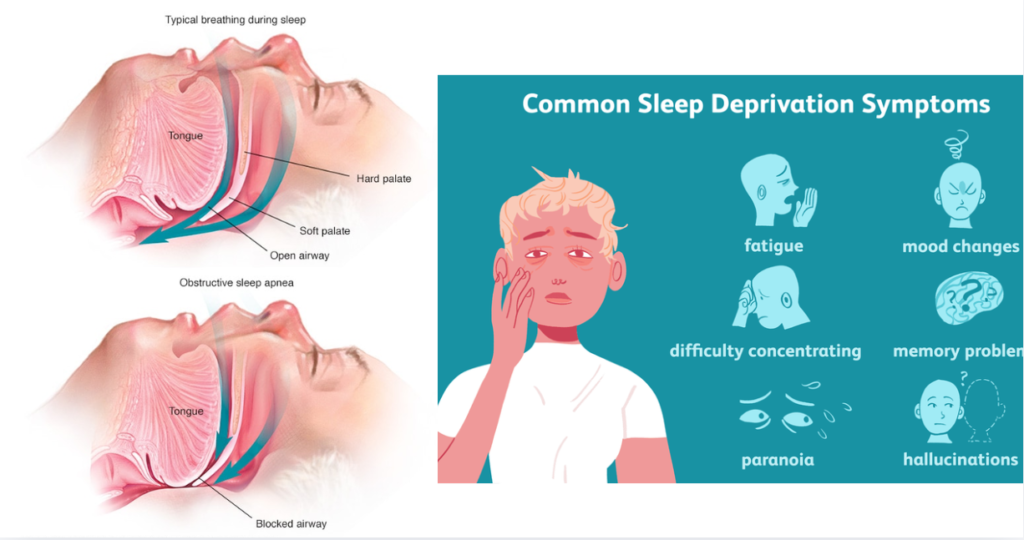
Your body communicates constantly, even while you sleep. Dangerous night symptoms—from sudden shortness of breath to severe chest pain—can indicate underlying health issues that require immediate attention. Ignoring these warning signs can lead to serious consequences.
This guide will help you identify critical nighttime symptoms, understand their potential causes, and take proactive steps to protect your health. By recognizing these red flags early, you can prevent complications and improve your overall well-being.
Section 1: Common Nighttime Warning Signs
H3: Shortness of Breath or Wheezing
- Possible causes: Sleep apnea, asthma flare-ups, heart failure, or respiratory infections.
- Red flags: Struggling for breath, gasping, or choking during sleep.
H3: Chest Pain or Tightness
- Possible causes: Heart attack, angina, acid reflux.
- Red flags: Pain radiating to your arm, jaw, or back; sweating; nausea.
H3: Severe Headaches or Vision Changes
- Possible causes: Hypertension, migraines, or neurological events.
- Red flags: Sudden, intense headache, blurred vision, or loss of consciousness.
Section 2: Digestive and Stomach-Related Symptoms
H3: Persistent Nausea or Vomiting
- Possible causes: Gastroenteritis, gallbladder issues, or early signs of heart problems.
- Red flags: Vomiting blood, severe dehydration, or pain that worsens at night.
H3: Acid Reflux and Heartburn
- Explanation: Nighttime acid reflux can disrupt sleep and lead to esophageal damage.
- Tips: Elevate your head, avoid late heavy meals, and monitor symptom frequency.
Section 3: Neurological and Circulatory Concerns
H3: Unusual Tingling, Numbness, or Weakness
- Possible causes: Nerve compression, stroke, or peripheral neuropathy.
- Red flags: One-sided numbness or weakness, facial drooping, or difficulty speaking.
H3: Night Sweats and Rapid Heart Rate
- Possible causes: Infections, hormonal imbalances, or heart problems.
- Tips: Track frequency and severity, and discuss with a healthcare provider if persistent.
Section 4: When Sleep Disruption Signals Danger
- Frequent awakenings due to pain or discomfort.
- Confusion or disorientation upon waking.
- Severe snoring or pauses in breathing.
Action Steps: Document symptoms, consider a sleep study, and seek medical advice promptly.
Section 5: Proactive Health Measures
H3: Regular Health Monitoring
- Keep track of blood pressure, heart rate, and weight changes.
- Schedule routine check-ups to catch issues early.
H3: Healthy Sleep Practices
- Maintain a consistent sleep schedule.
- Avoid heavy meals, caffeine, and alcohol close to bedtime.
- Keep your bedroom environment cool, dark, and quiet.
H3: Emergency Preparedness
- Know your local emergency number.
- Keep a list of medications and allergies accessible.
- Educate family members on recognizing critical night symptoms.
Conclusion
Nighttime symptoms should never be ignored. Recognizing warning signs like chest pain, shortness of breath, severe headaches, or unusual neurological changes can save your life. By staying vigilant and proactive, you can protect your health, ensure better sleep, and respond effectively in emergencies.
Takeaway: Monitor your body, act on red flags, and consult healthcare professionals for persistent or severe night symptoms. Your health is too important to wait.
Important Disclaimer: This article is for informational purposes only and should not replace professional medical advice. If you experience severe or persistent symptoms, seek medical attention immediately.