Meta Description: Onychophagia, or nail biting, is more than a habit. Discover its causes, effects, and effective strategies to stop nail biting and improve well-being naturally.
Nail biting, medically known as onychophagia, is often dismissed as a harmless habit—but it can reveal much more about stress, anxiety, and emotional balance. Many people bite their nails without even realizing it, especially during moments of tension, boredom, or concentration. While it may seem minor, this habit can affect your nails, skin, oral health, and even your confidence over time.
The good news? You can break free from onychophagia with simple, practical strategies. In this guide, you’ll discover why nail biting happens, how it impacts your health, and what you can do to stop it effectively. By the end, you’ll feel empowered to take control of this habit and replace it with healthier coping mechanisms.
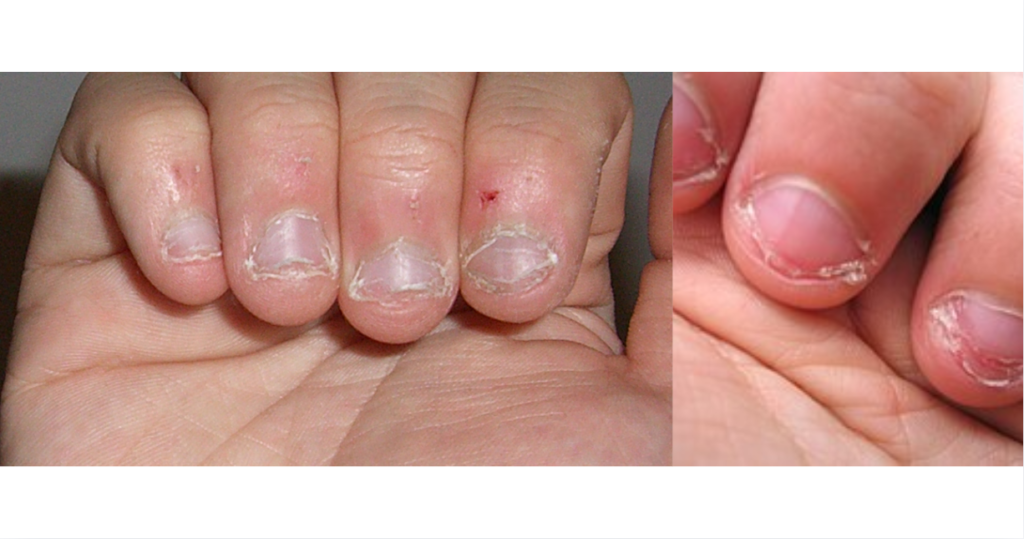
Understanding Onychophagia: What Nail Biting Really Means
Onychophagia is classified as a body-focused repetitive behavior (BFRB), similar to skin picking or hair pulling. It often begins in childhood and can persist into adulthood if not addressed.
Why do people bite their nails?
Nail biting is rarely “just a bad habit.” It is usually linked to:
- Stress or anxiety
- Boredom or idle time
- Concentration during thinking tasks
- Emotional tension or nervous energy
For many people, it becomes an unconscious response—your body’s way of self-soothing in stressful moments.
Is nail biting dangerous?
While not life-threatening, chronic nail biting can lead to:
- Damaged nail beds
- Skin infections around the fingers
- Dental issues like chipped teeth or jaw tension
- Increased exposure to bacteria and germs
Understanding these risks is the first step toward change.
The Hidden Causes Behind Nail Biting
To effectively stop onychophagia, you need to understand what drives it. This habit is usually rooted in both psychological and environmental triggers.
Emotional triggers
Stress is the number one cause. When you feel overwhelmed, your brain seeks quick relief, and nail biting becomes a coping mechanism.
Common emotional triggers include:
- Exam pressure or work stress
- Anxiety in social situations
- Perfectionism or overthinking
- Frustration or impatience
Environmental and behavioral triggers
Sometimes, the habit is linked to routine situations:
- Watching TV or scrolling on your phone
- Studying or working at a desk
- Sitting idle without stimulation
Once your brain associates these moments with nail biting, the habit becomes automatic.
Effective Strategies to Stop Nail Biting
Breaking onychophagia takes consistency, not perfection. The goal is to retrain your brain and hands.
1. Increase awareness of the habit
You can’t change what you don’t notice. Start by:
- Tracking when you bite your nails
- Noting emotional states (stress, boredom, focus)
- Using reminders or sticky notes
Awareness is the foundation of change.
2. Replace the habit with a healthier action
Your brain needs a substitute behavior. Try:
- Squeezing a stress ball
- Chewing sugar-free gum
- Fidget toys or pen spinning
- Holding a pen while thinking
3. Physical barriers that help
Sometimes, simple prevention works best:
- Keep nails trimmed short
- Apply bitter-tasting nail polish
- Wear gloves at home if needed
- Use hand cream to improve nail care awareness
4. Build emotional regulation skills
Since nail biting is often stress-related, managing emotions is key:
- Deep breathing exercises
- Short mindfulness breaks
- Light physical activity (walking, stretching)
- Journaling to release tension
Featured Snippet: How do you stop nail biting quickly?
To stop nail biting (onychophagia), combine awareness, habit replacement, and physical barriers. Identify triggers, keep nails trimmed, use bitter nail polish, and replace the behavior with stress-relief tools like fidget items or deep breathing. Consistency is key.
Advanced Techniques to Break Onychophagia
Once you’ve built basic control, you can strengthen your results with deeper strategies.
Habit reversal training (HRT)
This is a psychological technique used for BFRBs:
- Identify the urge
- Perform a competing response (like clenching fists)
- Practice consistently until the urge weakens
Cognitive reframing
Change how you think about the habit:
- Instead of “I can’t stop,” think “I’m learning control”
- Replace guilt with curiosity
- Focus on progress, not perfection
Stress resilience building
Long-term success depends on reducing overall stress:
- Improve sleep quality
- Reduce caffeine intake
- Practice daily relaxation techniques
Common Challenges and How to Overcome Them
Stopping nail biting is not always linear. Setbacks are normal.
“I don’t realize when I’m doing it”
This is very common. Try:
- Wearing reminder bracelets
- Keeping hands busy during triggers
- Asking friends or family to gently alert you
“I stop, but I relapse under stress”
Relapse usually happens during emotional pressure. Instead of giving up:
- Identify the trigger moment
- Pause and breathe before reacting
- Use your replacement habit immediately
“My nails look damaged already”
Healing takes time. Support recovery by:
- Using nourishing oils or hand creams
- Maintaining good hygiene
- Avoiding harsh chemicals
Long-Term Success: Building Healthy Nail Habits
To fully overcome onychophagia, focus on building a lifestyle that supports calmness and self-awareness.
Maintain nail care routines
- Weekly nail trimming
- Regular moisturizing
- Gentle nail filing instead of biting
Strengthen emotional balance
- Practice daily mindfulness
- Engage in hobbies that occupy your hands
- Maintain a structured routine
Track your progress
Small wins matter:
- Days without biting
- Reduced frequency of urges
- Healthier-looking nails
This creates motivation and reinforces positive change.
Conclusion
Onychophagia, or nail biting, is more than a simple habit—it’s a reflection of stress, emotion, and routine behavior. The good news is that with awareness, practical strategies, and patience, you can successfully break free from it.
By understanding your triggers, replacing the habit with healthier actions, and building emotional resilience, you can transform not just your nails—but your overall sense of control and confidence. Every small step counts, and progress builds over time.
You have the ability to overcome this habit and develop healthier patterns that support your well-being. Start today, stay consistent, and trust your journey toward change.