Meta Description: Discover the ancient practice of burning bay leaves for purification, stress relief, and calm energy, plus how to safely use this wellness ritual at home.
For centuries, people across different cultures have turned to nature for emotional balance, spiritual cleansing, and mental clarity. One of the most intriguing traditions is burning bay leaves, an ancient ritual believed to help clear negative energy and promote calmness.
Today, this practice is gaining renewed interest—not just for its symbolic meaning, but also for its soothing sensory effects. The gentle aroma of burning bay leaves is often associated with relaxation, mindfulness, and emotional release. In this guide, you’ll learn what this ritual means, how it works, and how you can safely use it as part of your wellness routine.
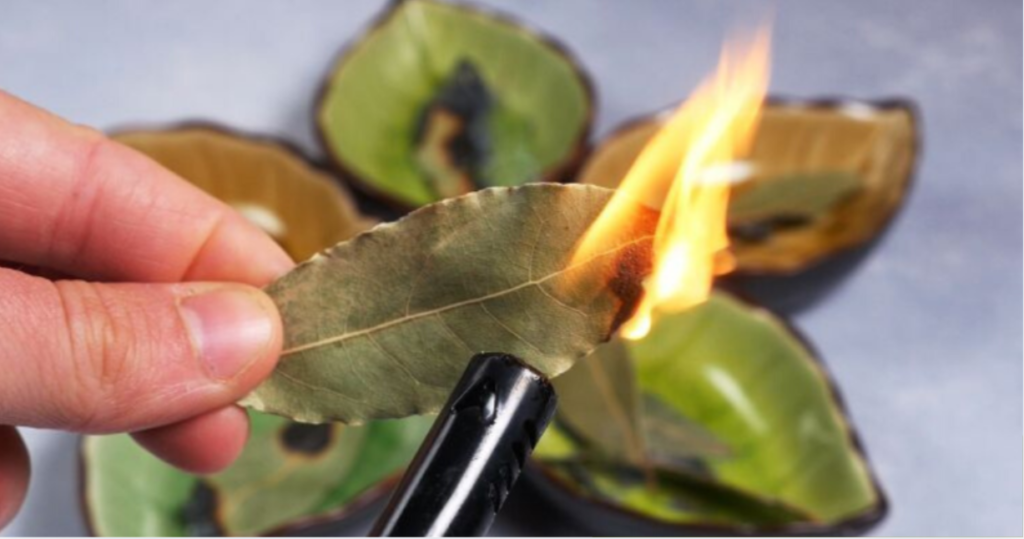
The Ancient Origins of Burning Bay Leaves
A ritual rooted in history and tradition
Bay leaves have been used since ancient Greece and Rome, where they symbolized wisdom, protection, and victory. Priests and healers often burned them in sacred ceremonies to cleanse spaces and invite positive energy.
In many traditions, burning herbs like bay leaves was believed to:
- Purify the environment
- Ward off negative energy
- Support emotional healing
- Enhance spiritual awareness
Why bay leaves specifically?
Bay leaves contain natural aromatic compounds such as eucalyptol and cineole. When burned, they release a strong, herbal scent that many people find grounding and calming.
The Meaning Behind Burning Bay Leaves Today
A symbol of release and renewal
In modern wellness practices, burning bay leaves is often used as a symbolic act. People write intentions on the leaf before burning it, representing:
- Letting go of stress or fear
- Releasing negative thoughts
- Setting personal goals or intentions
Psychological benefits of ritual
Even if you view it from a scientific perspective, rituals like this can help the mind by:
- Creating a sense of control
- Encouraging mindfulness
- Reducing anxiety through focused intention
- Supporting emotional processing
Potential Benefits of Burning Bay Leaves
1. Promotes relaxation and calm energy
The aroma of bay leaves can help create a soothing environment. Many people use this practice during meditation or evening wind-down routines.
Tip: Burn a bay leaf in a quiet space and focus on deep breathing for a calming effect.
2. Supports stress relief
Engaging in mindful rituals can reduce mental overload. The act of slowing down and focusing on a simple tradition helps shift attention away from stress.
3. Enhances mindfulness practices
Burning bay leaves can be paired with:
- Meditation
- Journaling
- Breathwork
- Visualization exercises
This combination can strengthen emotional awareness and clarity.
4. Creates a sensory reset
The smell and visual of burning herbs can act as a “reset button” for your mood, helping you transition between stressful and calm states.
Featured Snippet: How do you burn bay leaves safely for relaxation?
To safely burn bay leaves, place a dry leaf in a heatproof dish, light one end briefly, then blow out the flame so it smolders. Allow the smoke to release slowly in a ventilated area while focusing on breathing or intention-setting. Always keep away from flammable objects.
How to Perform the Bay Leaf Ritual Step by Step
Simple at-home method
- Choose a dry bay leaf (whole and intact works best)
- Write an intention (optional) using a pen
- Place the leaf in a heat-safe bowl or incense holder
- Light the tip carefully until it catches flame
- Blow out the flame gently so it smolders and releases smoke
- Focus on your breathing or intention for 1–5 minutes
When to do it
- During moments of stress
- Before meditation or journaling
- At the end of a long day
- When setting personal goals
Advanced Ways to Use Bay Leaf Rituals
Combine with intention-setting practices
Many people enhance the ritual by writing phrases such as:
- “I release stress and welcome peace”
- “I let go of what I cannot control”
Pair with calming environments
To deepen the effect:
- Dim the lights
- Play soft music or nature sounds
- Sit in a quiet, comfortable space
Use alongside other herbs
Some wellness practices combine bay leaves with:
- Lavender (relaxation)
- Rosemary (clarity)
- Sage (cleansing traditions)
Safety Tips and Common Mistakes
Always prioritize safety
Burning herbs involves open flame and smoke, so be mindful:
- Use a fireproof container
- Keep water nearby
- Never leave burning leaves unattended
- Ensure good ventilation
Avoid overuse
A small leaf is enough. Overburning can create too much smoke and discomfort.
Don’t rely on it as a medical treatment
This is a wellness ritual, not a cure for anxiety or medical conditions.
Troubleshooting the Experience
If the leaf won’t stay lit
- Ensure it is fully dry
- Hold flame slightly longer at the edge
If the smell feels too strong
- Use smaller pieces
- Improve ventilation
- Reduce burning time
If you feel no effect
Remember, the benefits are often psychological and sensory. Pair the ritual with breathing or meditation for better results.
Maximizing the Benefits of the Ritual
To get the most from burning bay leaves:
- Practice regularly but moderately
- Combine with mindfulness or journaling
- Use it as part of a larger self-care routine
- Focus on intention, not just the smoke
You can also link this ritual with other wellness habits like:
- Stress management techniques
- Herbal tea relaxation routines
- Evening sleep rituals
- Meditation practices for beginners
Conclusion
Burning bay leaves is more than an ancient tradition—it’s a mindful ritual that can help you slow down, release tension, and reconnect with your inner calm. Whether you see it as spiritual symbolism or a relaxation technique, it offers a simple way to create moments of peace in a busy world.
By combining intention, mindfulness, and safe practice, you can transform this small ritual into a powerful self-care habit. Take a deep breath, set your intention, and allow yourself to experience the calm energy it brings.
Sometimes, the simplest rituals create the deepest sense of balance.
Important Disclaimer: This article is for informational purposes only and should not replace professional medical or psychological advice. Always use fire-based rituals safely and consult a professional for health-related concerns.