Meta Description: Discover how sugar affects the human body, from energy crashes to long-term health risks. Learn the hidden dangers of sugar and how to reduce intake naturally.
Sugar is everywhere—hidden in drinks, sauces, snacks, and even foods you think are healthy. While it tastes sweet and gives quick energy, its long-term effects on the body can be far from harmless.
Understanding sugar’s effects on the human body is essential if you want to improve energy, support weight balance, and protect long-term health. In this article, you’ll discover what sugar really does inside your body, why it can be addictive, and how to manage it without feeling deprived.
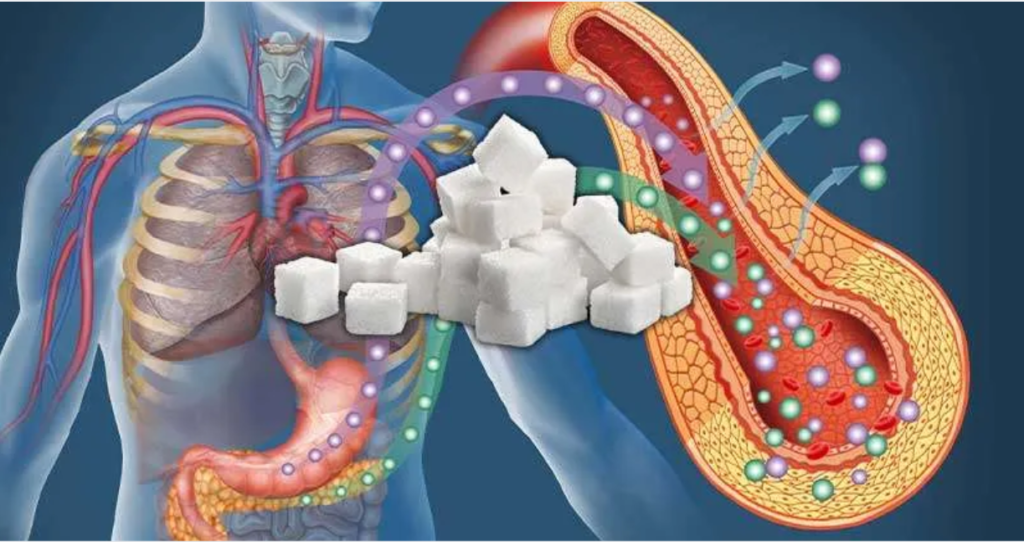
What Happens When You Eat Sugar?
Sugar is a fast source of energy. Once consumed, it quickly enters your bloodstream and raises blood glucose levels.
The body’s immediate response
When sugar enters your system, your body reacts by:
- Releasing insulin to lower blood sugar
- Converting excess sugar into fat storage
- Creating a temporary energy spike
At first, you feel energized—but this effect doesn’t last long.
Why sugar causes energy crashes
After the spike, blood sugar drops rapidly, leading to:
- Fatigue
- Irritability
- Hunger cravings
- Difficulty focusing
This cycle is often called the “sugar rollercoaster.”
How Sugar Affects the Human Body Over Time
Long-term high sugar intake can impact almost every system in the body.
1. Impact on weight and metabolism
Excess sugar is easily stored as fat, especially around the abdomen.
- Increases risk of weight gain
- Disrupts fat metabolism
- Promotes insulin resistance
2. Impact on the brain and mood
Sugar affects brain chemistry by triggering dopamine release.
- Short-term pleasure and reward
- Increased cravings over time
- Mood swings and anxiety in some cases
3. Impact on heart health
High sugar intake may contribute to:
- Increased triglycerides
- Higher blood pressure
- Greater risk of cardiovascular issues
4. Impact on skin and aging
Sugar can affect collagen and skin health.
- Accelerates skin aging
- Contributes to acne breakouts
- Reduces skin elasticity
Featured Snippet: Why is sugar harmful to the human body?
Sugar can be harmful when consumed in excess because it causes blood sugar spikes, increases fat storage, disrupts energy levels, and contributes to long-term risks such as weight gain, insulin resistance, and heart-related issues. While the body needs glucose for energy, too much added sugar overwhelms normal metabolic processes.
Hidden Sources of Sugar You Might Not Notice
Many people consume more sugar than they realize.
Common hidden sources include:
- Flavored yogurts
- Breakfast cereals
- Sauces and dressings
- Packaged snacks
- Soft drinks and juices
Even “healthy” products can contain high amounts of added sugar.
How Sugar Affects the Human Body at a Cellular Level
Sugar doesn’t just affect energy—it impacts how cells function.
Key biological effects:
- Increases inflammation in the body
- Affects insulin sensitivity
- Contributes to oxidative stress
- Impacts liver function when overconsumed
Over time, these changes may affect overall health and vitality.
Step-by-Step Guide to Reducing Sugar Intake
You don’t need to eliminate sugar completely—balance is key.
Step 1: Identify your sugar sources
Start by reading labels and recognizing hidden sugars.
Step 2: Replace sugary drinks
Swap sodas and juices with:
- Water
- Herbal teas
- Infused water (lemon, mint, cucumber)
Step 3: Balance your meals
A balanced diet reduces cravings naturally.
Include:
- Protein (eggs, fish, legumes)
- Fiber (vegetables, whole grains)
- Healthy fats (nuts, olive oil)
Step 4: Reduce gradually
Cutting sugar too quickly can cause cravings.
- Reduce portion sizes slowly
- Avoid extreme restrictions
- Allow occasional treats mindfully
Advanced Insights: Why Sugar Feels Addictive
Sugar activates the brain’s reward system.
Dopamine and cravings
- Sugar triggers dopamine release
- The brain associates sugar with pleasure
- Repeated exposure increases dependence
This is why reducing sugar can initially feel difficult—but becomes easier over time.
Common Mistakes When Trying to Cut Sugar
1. Replacing sugar with artificial sweeteners
Some alternatives may still maintain sweet cravings.
2. Going completely sugar-free too fast
This can lead to rebound cravings and overeating.
3. Ignoring hidden sugars
Many people focus only on sweets but overlook processed foods.
Long-Term Strategies for Healthy Sugar Balance
To better manage sugar’s effects on the human body, focus on sustainable habits.
Build daily habits:
- Eat whole, unprocessed foods
- Prioritize protein and fiber
- Stay hydrated throughout the day
Lifestyle support:
- Get enough sleep
- Manage stress levels
- Stay physically active
These habits help stabilize blood sugar naturally.
Conclusion
Sugar is not the enemy—but excessive consumption can quietly affect your energy, mood, weight, and long-term health. Understanding sugar’s effects on the human body empowers you to make better daily choices without fear or restriction.
By identifying hidden sugars, balancing your meals, and building healthier habits, you can reduce cravings and support a more stable, energized lifestyle. Small changes today can lead to powerful long-term benefits for your body and mind.