Meta Description: Discover the symptoms, causes, and effective treatment strategies for bacterial pneumonia. Learn how to recognize early signs and recover faster.
Bacterial pneumonia is a serious lung infection that can affect anyone—from young children to older adults. It often begins suddenly, with symptoms that can quickly worsen if not treated properly. The good news? With early detection and the right care, most people recover fully.
Understanding bacterial pneumonia symptoms, causes, and treatment strategies can help you act quickly and protect your health. Whether you’re dealing with a persistent cough, high fever, or chest discomfort, knowing what your body is telling you is key.
In this comprehensive guide, you’ll learn how to recognize bacterial pneumonia, what causes it, and the most effective ways to treat and prevent it.
What Is Bacterial Pneumonia? Understanding the Basics
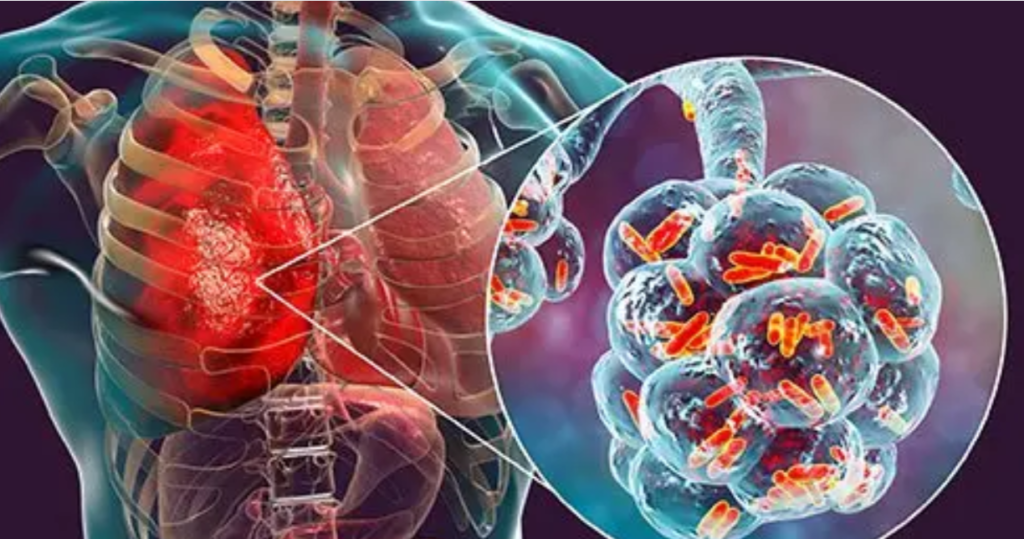
Bacterial pneumonia is an infection that inflames the air sacs (alveoli) in one or both lungs. These air sacs may fill with fluid or pus, making it difficult to breathe and reducing oxygen levels in the body.
It is commonly caused by bacteria such as Streptococcus pneumoniae, but other bacteria can also be responsible.
How it differs from viral pneumonia
- Bacterial pneumonia: Often more severe, sudden onset
- Viral pneumonia: Usually milder, develops gradually
Who is most at risk?
Certain groups are more vulnerable:
- Older adults (65+)
- Children under 5
- People with weakened immune systems
- Individuals with chronic illnesses (diabetes, asthma)
- Smokers
Common Symptoms of Bacterial Pneumonia
Recognizing symptoms early can make a big difference in recovery.
Key warning signs
- High fever (often above 38.5°C)
- Persistent cough (with mucus or pus)
- Chest pain when breathing or coughing
- Shortness of breath
- Fatigue and weakness
Additional symptoms to watch for
- Chills and sweating
- Rapid breathing
- Confusion (especially in older adults)
- Nausea or vomiting
When should you seek medical help?
Seek immediate care if you experience:
- Difficulty breathing
- Blue lips or fingertips
- High fever that doesn’t go down
- Severe chest pain
What Causes Bacterial Pneumonia?
Understanding the causes helps you reduce your risk.
Main bacterial agents
The most common cause is:
- Streptococcus pneumoniae
Other bacteria include:
- Haemophilus influenzae
- Mycoplasma pneumoniae
How infection spreads
Bacterial pneumonia can spread through:
- Airborne droplets (coughing or sneezing)
- Close contact with infected individuals
- Weakened immunity after a cold or flu
Risk factors that increase susceptibility
- Smoking (damages lung defense)
- Poor nutrition
- Chronic lung diseases
- Recent respiratory infections
Step-by-Step: Effective Treatment Strategies
Treating bacterial pneumonia properly is essential for recovery.
1. Antibiotic therapy
Doctors usually prescribe antibiotics based on:
- Type of bacteria
- Severity of infection
- Patient’s age and health
Important: Always complete the full course, even if you feel better.
2. Rest and hydration
Your body needs energy to fight infection:
- Get plenty of rest
- Drink water, soups, and herbal teas
3. Symptom management
- Fever reducers (as prescribed)
- Cough relief treatments
- Oxygen therapy (in severe cases)
4. Hospital care (if needed)
Severe cases may require:
- IV antibiotics
- Oxygen support
- Monitoring of vital signs
Advanced Tips for Faster Recovery
Want to speed up healing and regain strength?
Support your immune system
Eat nutrient-rich foods like:
- Fruits and vegetables
- Lean proteins
- Foods rich in vitamin C and zinc
Practice breathing exercises
Gentle breathing exercises can:
- Improve lung capacity
- Prevent complications
Avoid lung irritants
Stay away from:
- Smoke
- Pollution
- Strong chemical fumes
Common Challenges and How to Overcome Them
Recovery isn’t always linear—but you can manage setbacks.
Persistent fatigue
- Take recovery slowly
- Gradually return to activity
Lingering cough
- Stay hydrated
- Use warm fluids like herbal teas
Risk of complications
Possible complications include:
- Pleural effusion
- Lung abscess
- Sepsis (rare but serious)
Prevent these by following medical advice carefully.
Maximizing Prevention: Protect Your Lungs Long-Term
Prevention is just as important as treatment.
Get vaccinated
Vaccines can protect against common causes of pneumonia.
Maintain good hygiene
- Wash hands regularly
- Avoid close contact with sick individuals
Strengthen your lifestyle habits
- Eat a balanced diet
- Exercise regularly
- Get enough sleep
Internal Linking Opportunities
To expand your knowledge and support your health, explore:
- Foods that boost immunity
- Natural remedies for cough relief
- Signs of respiratory infections
- Vitamin-rich diets for recovery
- Lung health and breathing exercises
Conclusion
Bacterial pneumonia is a serious condition, but with the right knowledge and timely action, it is highly treatable. By recognizing early symptoms, understanding the causes, and following effective treatment strategies, you can protect your health and recover faster.
Listen to your body, seek medical help when needed, and support your recovery with healthy habits. Small actions today can make a powerful difference in your long-term lung health.
Important Disclaimer: This article is for informational purposes only and should not replace professional advice. For health-related topics, consult healthcare providers. Individual results may vary, and personal circumstances should always be considered when implementing any suggestions.