Meta Description: Discover how egg cooking methods affect nutrition, taste, and health. Learn the healthiest ways to cook eggs and maximize their benefits.
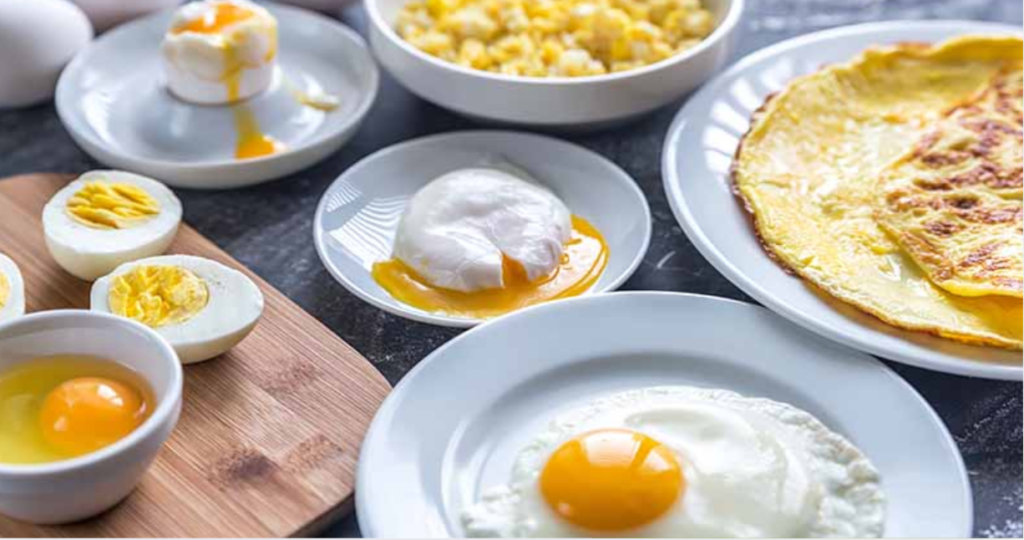
Eggs are one of the most versatile and nutritious foods you can eat. But did you know that egg cooking methods can significantly change their nutrition, taste, and health impact? Whether you prefer them boiled, fried, scrambled, or poached, each method offers a slightly different experience—and different benefits.
Understanding how cooking affects eggs can help you make smarter choices for your health without sacrificing flavor. From preserving nutrients to avoiding unhealthy fats, small adjustments in how you cook eggs can make a big difference.
In this guide, you’ll discover how different egg cooking methods impact nutrition, taste, and overall health—and how to choose the best option for your lifestyle.
Understanding Eggs: A Nutritional Powerhouse
Before comparing egg cooking methods, let’s look at what makes eggs so special.
Eggs are packed with:
- High-quality protein
- Healthy fats
- Vitamins like B12, D, and A
- Minerals such as selenium and iron
- Choline (important for brain health)
They provide nearly all essential nutrients your body needs, making them a complete food.
Whole egg vs egg white
- Egg white: Rich in protein, low in calories
- Egg yolk: Contains vitamins, minerals, and healthy fats
Skipping the yolk means missing out on many key nutrients.
How Cooking Methods Affect Egg Nutrition
Cooking eggs changes their structure—and sometimes their nutritional value.
Heat and protein absorption
Cooking actually makes egg protein easier to digest. Raw eggs are less efficiently absorbed by your body.
Nutrient sensitivity to heat
Some nutrients, like certain vitamins, can be slightly reduced with high heat. However, most nutrients remain stable.
Added ingredients matter
What you cook eggs with can significantly impact health:
- Butter and oils add extra calories
- Excess salt can increase sodium intake
Featured Snippet: What is the healthiest way to cook eggs?
The healthiest egg cooking methods are boiling, poaching, and light scrambling without excess oil. These methods preserve nutrients while avoiding added fats and high heat damage.
Comparing Popular Egg Cooking Methods
Let’s break down the most common egg cooking methods and how they differ.
Boiled Eggs (Hard & Soft)
Benefits:
- No added fat
- Retains most nutrients
- Easy to prepare
Taste & texture:
- Firm (hard-boiled) or slightly creamy (soft-boiled)
Poached Eggs
Benefits:
- No oil required
- Light and easy to digest
Taste & texture:
- Soft, delicate, and creamy yolk
Scrambled Eggs
Benefits:
- Quick and versatile
- Easy to combine with vegetables
Watch out for:
- Added butter, cream, or oil
Taste & texture:
- Soft, fluffy, and rich
Fried Eggs
Benefits:
- Crispy texture
- Rich flavor
Drawbacks:
- Higher in calories due to oil
- Potential nutrient loss at high heat
Omelets
Benefits:
- Highly customizable
- Can include vegetables, herbs, and protein
Health tip:
- Use minimal oil and add nutrient-rich fillings
Step-by-Step: Choosing the Best Cooking Method for You
Selecting the right egg cooking method depends on your goals.
For weight management
- Choose boiled or poached eggs
- Avoid excess oil
For maximum nutrition
- Keep the yolk
- Use gentle cooking methods
For taste and satisfaction
- Try omelets with vegetables
- Use herbs and spices instead of heavy fats
Advanced Tips to Improve Egg Quality and Health Benefits
You can take your egg meals to the next level with a few simple strategies.
Combine eggs with vegetables
Add:
- Spinach
- Tomatoes
- Bell peppers
This boosts fiber, vitamins, and antioxidants.
Use healthy cooking fats
If needed, choose:
- Olive oil
- Avocado oil
Avoid overcooking
Overcooking can:
- Reduce nutrient quality
- Create rubbery texture
- Affect taste negatively
Common Mistakes to Avoid
Even healthy foods can become less beneficial if prepared incorrectly.
Cooking at very high temperatures
This can damage nutrients and create unwanted compounds.
Adding too much fat
Excess butter or oil increases calorie intake unnecessarily.
Skipping variety
Eating eggs the same way every day can become boring and limit nutritional diversity.
Maximizing the Benefits of Eggs in Your Diet
To fully enjoy the benefits of eggs:
Build balanced meals
Pair eggs with:
- Whole grains
- Vegetables
- Healthy fats
Practice moderation
Eggs are healthy, but balance is key. Combine them with a varied diet.
Adapt to your lifestyle
Choose methods that fit your routine:
- Busy mornings → boiled eggs
- Weekend meals → omelets
Internal Linking Opportunities
To expand your nutrition knowledge, explore related topics like:
- The total nutritional power of eggs
- Foods high in vitamin D
- Protein-rich foods for energy
- Healthy breakfast ideas
- Balanced diet planning
Conclusion
Understanding egg cooking methods and what changes in nutrition, taste, and health empowers you to make better food choices every day. Whether you prefer boiled, poached, scrambled, or fried, each method has its place depending on your goals.
By choosing healthier cooking techniques, avoiding excess fats, and combining eggs with nutrient-rich ingredients, you can turn a simple food into a powerful part of your diet.
Start experimenting today—and discover how small changes in your cooking can transform both your meals and your health.