Meta Description: Explore the systemic impacts of alcohol consumption on the body. Learn how alcohol affects the brain, liver, heart, and long-term health risks.
Alcohol is widely consumed across cultures, often associated with social events and relaxation. However, beyond its immediate effects, alcohol has systemic impacts on the body, influencing multiple organs and physiological systems over time.
While occasional moderate consumption may seem harmless, excessive or chronic alcohol intake can lead to significant health consequences. Understanding how alcohol affects your body helps you make informed decisions and protect your long-term well-being.
In this article, you’ll discover the full range of alcohol’s effects—from short-term changes to long-term damage—and how it impacts major systems in the body.
How Alcohol Affects the Body: A Systemic Overview
Once consumed, alcohol is rapidly absorbed into the bloodstream and distributed throughout the body.
What happens after drinking?
- Absorbed through the stomach and small intestine
- Transported via the bloodstream
- Processed primarily in the liver
- Affects the brain within minutes
Why alcohol has widespread effects
Alcohol influences:
- Nervous system signaling
- Hormonal balance
- Cellular metabolism
- Organ function
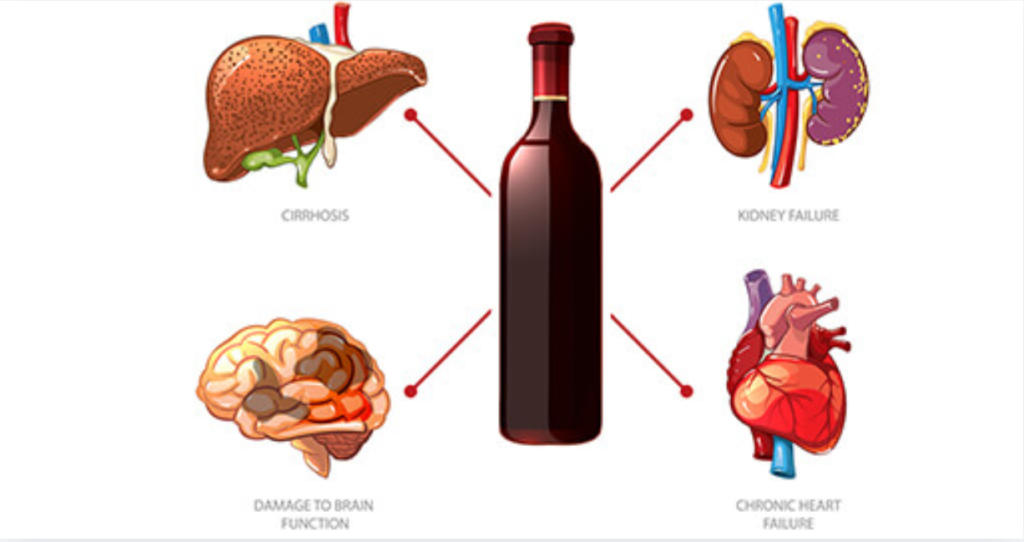
Featured Snippet: What are the systemic effects of alcohol on the body?
Alcohol affects multiple body systems, including the brain, liver, heart, digestive system, and immune function, leading to impaired cognition, liver damage, cardiovascular issues, and metabolic disruption.
Effects of Alcohol on the Brain and Nervous System
The brain is one of the first organs affected by alcohol.
Short-term neurological effects
- Impaired judgment
- Slowed reaction time
- Reduced coordination
- Memory lapses
Long-term brain effects
Chronic alcohol use may lead to:
- Cognitive decline
- Structural brain changes
- Increased risk of neurological disorders
Mental health impact
Alcohol is linked to:
- Anxiety
- Depression
- Mood instability
Effects on the Liver: The Primary Processing Organ
The liver plays a central role in metabolizing alcohol.
How alcohol affects the liver
Repeated exposure can lead to:
- Fat accumulation (fatty liver)
- Inflammation (alcoholic hepatitis)
- Scarring (cirrhosis)
Why liver damage occurs
The liver breaks down alcohol into toxic compounds that can damage cells over time.
Cardiovascular Effects of Alcohol
Alcohol influences heart and blood vessel function.
Short-term cardiovascular effects
- Increased heart rate
- Temporary rise in blood pressure
Long-term risks
Chronic alcohol use may cause:
- Hypertension
- Cardiomyopathy
- Increased stroke risk
Impact on circulation
Alcohol can disrupt blood vessel function and contribute to inflammation.
Digestive System and Metabolic Effects
Alcohol affects digestion and nutrient absorption.
Effects on the digestive tract
- Irritation of the stomach lining
- Increased acid production
- Risk of gastritis
Nutritional consequences
Alcohol can lead to:
- Poor nutrient absorption
- Vitamin deficiencies (especially B vitamins)
- Disrupted metabolism
Immune System Suppression
Alcohol weakens the body’s defense system.
How it impacts immunity
- Reduces white blood cell activity
- Impairs response to infections
- Increases susceptibility to illness
Long-term effects
Chronic use can weaken immune resilience and delay recovery from infections.
Hormonal and Endocrine Effects
Alcohol interferes with hormone regulation.
Hormonal disruptions include:
- Altered cortisol levels (stress hormone)
- Disruption of reproductive hormones
- Effects on insulin regulation
Why this matters
Hormonal imbalance can affect:
- Energy levels
- Weight regulation
- Mood and sleep
Step-by-Step: How Alcohol Impacts the Body Over Time
Step 1: Initial exposure
- Rapid absorption into bloodstream
- Immediate brain effects
Step 2: Repeated consumption
- Increased strain on liver and metabolism
- Gradual inflammation
Step 3: Chronic exposure
- Organ damage
- Systemic dysfunction
- Increased disease risk
Advanced Insights: Long-Term Health Risks
Increased risk of chronic diseases
- Liver disease
- Cardiovascular disorders
- Certain cancers
Neurological decline
Long-term alcohol use can impair memory, coordination, and cognitive function.
Metabolic disorders
Alcohol can contribute to:
- Weight gain
- Insulin resistance
- Fat accumulation
Common Misconceptions About Alcohol
“Only heavy drinking is harmful”
Even moderate consumption can have cumulative effects over time.
“Alcohol helps you sleep”
While it may induce sleep initially, it disrupts sleep quality and recovery.
“The body adapts to alcohol”
Tolerance may increase, but damage can still occur silently.
Internal Linking Opportunities
This topic connects well with:
- Liver health and detoxification
- Nutritional deficiencies and their effects
- Cardiovascular health and lifestyle habits
- Mental health and stress management
- Inflammation and chronic disease prevention
Conclusion
The systemic impacts of alcohol consumption extend far beyond temporary effects. From the brain and liver to the heart, immune system, and metabolism, alcohol influences nearly every part of the body.
Understanding these effects empowers you to make informed choices about your consumption habits. Whether it’s reducing intake or adopting healthier lifestyle practices, small decisions can significantly protect your long-term health.
By staying aware and proactive, you can support your body’s natural balance and reduce the risk of alcohol-related complications over time.
Important Disclaimer: This article is for informational purposes only and should not replace professional advice. For health-related topics, consult healthcare providers. Individual results may vary.