Meta Description: Discover common digestive mistakes and harmful colon habits that affect gut health. Learn how to improve digestion, support your microbiome, and protect your colon naturally.
Your digestive system is more sensitive than most people realize. Every meal, habit, and daily routine influences how well your gut and colon function. When small mistakes become consistent habits, they can slowly disrupt digestion, affect nutrient absorption, and weaken your gut microbiome.
Understanding digestive mistakes and harmful colon habits is the first step toward better gut health. The good news? Most of these habits are reversible with simple lifestyle changes.
In this article, you’ll learn which digestive behaviors may be harming your colon, how they impact your body, and practical ways to restore healthy digestion naturally.
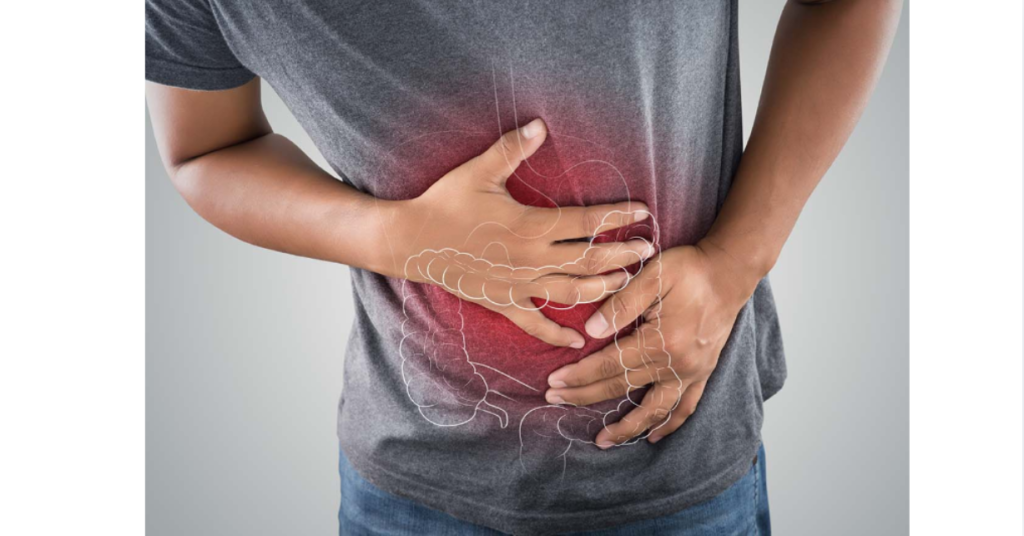
Understanding the Role of the Colon in Digestion
The colon, also known as the large intestine, plays a vital role in:
- Absorbing water and electrolytes
- Processing waste material
- Supporting gut bacteria balance
- Helping form and eliminate stool
Why colon health matters
A healthy colon contributes to:
- Regular bowel movements
- Strong immune function
- Reduced inflammation
- Better nutrient absorption
Featured Snippet: What are harmful colon habits that affect digestion?
Harmful colon habits include low fiber intake, dehydration, sedentary lifestyle, overuse of processed foods, ignoring bowel urges, and excessive use of laxatives, all of which can disrupt gut health and digestion.
Common Digestive Mistakes That Harm Colon Health
1. Low fiber intake
Fiber is essential for smooth digestion and colon function.
Why it’s a problem
A low-fiber diet can lead to:
- Constipation
- Slower digestion
- Imbalanced gut bacteria
Healthy fiber sources
- Fruits (apples, pears, berries)
- Vegetables (broccoli, carrots, leafy greens)
- Whole grains (oats, brown rice)
- Legumes (lentils, chickpeas)
2. Not drinking enough water
Hydration is essential for digestive flow.
Effects of dehydration
- Hard stools
- Sluggish digestion
- Increased risk of constipation
Simple hydration tip
Drink water consistently throughout the day rather than large amounts at once.
3. Overconsumption of processed foods
Highly processed foods can negatively affect gut health.
Why they are harmful
- Low in fiber
- High in unhealthy fats and sugars
- Disrupt gut microbiome balance
Common processed foods to limit
- Fast food
- Packaged snacks
- Sugary drinks
4. Sedentary lifestyle
Physical movement helps stimulate bowel activity.
Effects of inactivity
- Slower digestion
- Increased bloating
- Irregular bowel movements
Simple solution
Even 20–30 minutes of daily walking can significantly improve gut motility.
5. Ignoring the urge to go
Delaying bowel movements can disrupt natural colon function.
What happens over time
- Stool becomes harder
- Increased constipation risk
- Loss of natural bowel rhythm
6. Overuse of laxatives
Frequent laxative use can weaken natural bowel function.
Risks include
- Dependency
- Electrolyte imbalance
- Reduced colon responsiveness
How Digestive Mistakes Affect Gut Health
1. Disruption of gut microbiome
Your gut contains trillions of bacteria that support digestion and immunity.
Poor habits can:
- Reduce beneficial bacteria
- Increase harmful bacteria
- Lead to inflammation
2. Chronic inflammation
An unhealthy colon can trigger systemic inflammation, affecting overall wellness.
3. Nutrient malabsorption
When digestion is impaired, your body may not absorb nutrients properly.
4. Digestive discomfort
Common symptoms include:
- Bloating
- Gas
- Irregular bowel movements
- Abdominal discomfort
Step-by-Step: Improving Colon Health Naturally
Step 1: Increase fiber gradually
- Add vegetables to every meal
- Choose whole grains over refined grains
Step 2: Stay hydrated
- Drink water regularly
- Include hydrating foods like cucumbers and watermelon
Step 3: Move your body daily
- Walking
- Stretching
- Light exercise
Step 4: Support gut bacteria
- Include fermented foods (yogurt, kefir, sauerkraut)
- Eat prebiotic foods (garlic, onions, bananas)
Advanced Tips for a Healthier Digestive System
1. Manage stress
Stress directly affects digestion through the gut-brain connection.
2. Eat slowly and mindfully
Chewing properly improves digestion efficiency.
3. Maintain regular meal times
A consistent eating schedule supports bowel rhythm.
Common Digestive Myths
“Detox cleanses are necessary”
Your liver and colon naturally detoxify your body without extreme cleanses.
“Skipping meals helps digestion”
Irregular eating can actually disrupt gut rhythm.
“All fiber is the same”
Soluble and insoluble fiber both play different but important roles.
Internal Linking Opportunities
This topic connects well with:
- Gut microbiome and digestive health
- High-fiber foods for digestion
- Natural remedies for bloating
- Anti-inflammatory diet strategies
- Hydration and metabolic health
Conclusion
Avoiding digestive mistakes and harmful colon habits is one of the most effective ways to support long-term gut health. Small daily choices—like eating enough fiber, staying hydrated, moving regularly, and listening to your body—can make a major difference in how your digestive system functions.
When your colon is healthy, your entire body benefits: better energy, improved immunity, and more efficient nutrient absorption.
By making gradual, consistent improvements, you can restore balance to your gut and support a healthier digestive system for years to come.
Important Disclaimer: This article is for informational purposes only and should not replace professional advice. For health-related topics, consult healthcare providers. Individual results may vary.