Meta Description: Discover crucial vitamins for women’s health at every stage of life. Learn how key nutrients support hormones, bones, immunity, and overall wellness.
Women’s bodies go through unique physiological changes across life stages—from adolescence and reproductive years to pregnancy and menopause. Each phase brings different nutritional demands, making it essential to understand the crucial vitamins for women’s health.
The right balance of vitamins supports hormonal health, bone strength, energy production, immune defense, and long-term disease prevention. Whether you’re aiming to boost vitality, support fertility, or maintain strength as you age, proper nutrition plays a powerful role.
In this article, you’ll explore the most important vitamins women need, how requirements change over time, and practical ways to meet those needs naturally.
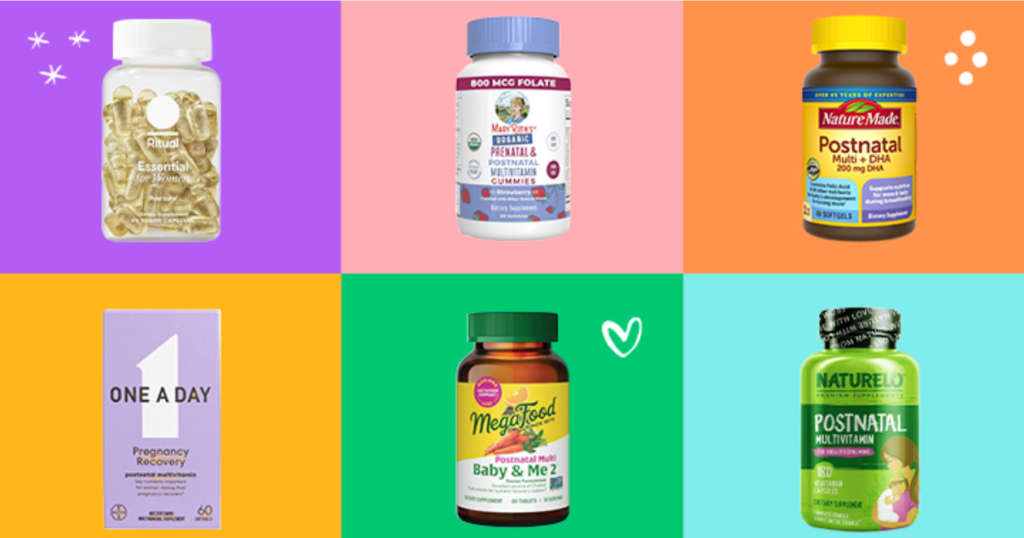
Why Vitamins Are Essential for Women’s Health
Vitamins are micronutrients that regulate vital processes in the body.
Key roles of vitamins
- Support hormone balance
- Strengthen bones and joints
- Boost immune function
- Aid energy metabolism
- Protect against oxidative stress
Why women have unique nutritional needs
Factors such as:
- Menstruation
- Pregnancy
- Breastfeeding
- Menopause
increase demand for specific nutrients.
Featured Snippet: What are the most important vitamins for women’s health?
The most important vitamins for women’s health include Vitamin D, Vitamin B12, folate (Vitamin B9), Vitamin C, Vitamin E, and Vitamin K, all supporting hormones, bones, immunity, and energy.
Essential Vitamins for Women
1. Vitamin D: Bone Strength and Immune Support
Vitamin D is critical for calcium absorption and bone health.
Benefits
- Supports strong bones
- Enhances immune function
- May improve mood
Sources
- Sunlight exposure
- Fatty fish
- Fortified dairy products
2. Vitamin B12: Energy and Nervous System Health
Vitamin B12 supports red blood cell formation and nerve function.
Benefits
- Prevents fatigue
- Supports brain health
- Aids DNA synthesis
Who is at risk?
- Vegetarians and vegans
- Older adults
3. Folate (Vitamin B9): Essential for Reproductive Health
Folate is crucial during reproductive years.
Benefits
- Supports fetal development
- Prevents neural tube defects
- Aids cell growth
Key sources
- Leafy greens
- Legumes
- Citrus fruits
4. Vitamin C: Immunity and Skin Health
Vitamin C is a powerful antioxidant.
Benefits
- Boosts immune system
- Supports collagen production
- Enhances iron absorption
Food sources
- Oranges
- Strawberries
- Bell peppers
5. Vitamin E: Cellular Protection
Vitamin E protects cells from oxidative damage.
Benefits
- Supports skin health
- Protects against free radicals
- May support hormonal balance
Sources
- Nuts and seeds
- Vegetable oils
- Spinach
6. Vitamin K: Bone and Blood Health
Vitamin K plays a key role in blood clotting and bone metabolism.
Benefits
- Supports bone density
- Helps prevent fractures
- Essential for proper blood clotting
Sources
- Leafy green vegetables
- Broccoli
- Fermented foods
Vitamins Across Different Life Stages
Adolescence
Focus nutrients
- Vitamin D
- B vitamins
- Iron-supporting vitamins (like Vitamin C)
Why they matter
- Growth and development
- Hormonal changes
- Bone formation
Reproductive Years
Key priorities
- Folate
- Vitamin B12
- Vitamin D
Benefits
- Fertility support
- Energy balance
- Hormonal regulation
Pregnancy and Breastfeeding
Increased needs for
- Folate
- Vitamin D
- Vitamin B12
Why
- Fetal development
- Maternal health
- Nutrient transfer to baby
Menopause and Beyond
Essential vitamins
- Vitamin D
- Vitamin K
- Vitamin B12
Benefits
- Bone protection
- Reduced risk of osteoporosis
- Support for aging metabolism
Step-by-Step: How to Meet Your Vitamin Needs
Step 1: Eat a balanced diet
Include:
- Fruits and vegetables
- Whole grains
- Lean proteins
- Healthy fats
Step 2: Prioritize nutrient-dense foods
Focus on whole, minimally processed foods.
Step 3: Consider supplementation if needed
Consult a healthcare provider if:
- You have deficiencies
- You follow restrictive diets
Step 4: Monitor your health regularly
Blood tests can help identify deficiencies early.
Advanced Tips for Optimizing Women’s Nutrition
1. Combine nutrients for better absorption
- Vitamin C improves iron absorption
- Vitamin D enhances calcium uptake
2. Maintain hormonal balance through nutrition
Healthy fats and micronutrients support endocrine health.
3. Stay consistent with healthy habits
Long-term nutrition matters more than short-term changes.
Common Mistakes to Avoid
Ignoring micronutrient deficiencies
Even small deficiencies can affect energy and health.
Relying only on supplements
Whole foods provide better nutrient synergy.
Skipping meals or restrictive dieting
Can lead to nutrient imbalances over time.
Internal Linking Opportunities
This topic connects well with:
- Bone health and calcium metabolism
- Hormonal balance and endocrine health
- Immune system support through nutrition
- Anti-aging nutrition strategies
- Pregnancy and maternal health
Conclusion
Understanding the crucial vitamins for women’s health empowers you to support your body through every stage of life. From adolescence to menopause, each phase brings unique nutritional needs that can be met through balanced eating and informed choices.
By focusing on key vitamins like D, B12, folate, C, E, and K, you can enhance energy, strengthen bones, support immunity, and maintain overall well-being.
Small, consistent dietary habits can create a strong foundation for long-term health, helping you feel energized, balanced, and resilient throughout your life journey.
Important Disclaimer: This article is for informational purposes only and should not replace professional advice. For health-related concerns, consult healthcare providers. Individual needs may vary.