Meta Description: Explore how parasites may contribute to constipation through 10 interconnected mechanisms affecting digestion, gut motility, inflammation, and intestinal balance.
Constipation is one of the most common digestive complaints worldwide, often linked to diet, hydration, or lifestyle habits. However, in some cases, less obvious biological factors may also play a role. One of these debated contributors is intestinal parasitic infection.
While not every case of constipation is related to parasites, certain organisms can disrupt normal gut function in complex ways. Understanding the crucial pathways through which parasites may contribute to constipation helps build a broader view of digestive health and encourages proper medical evaluation when symptoms persist.
In this article, we’ll explore 10 interconnected mechanisms that may explain how parasites can influence bowel movements and digestive rhythm.
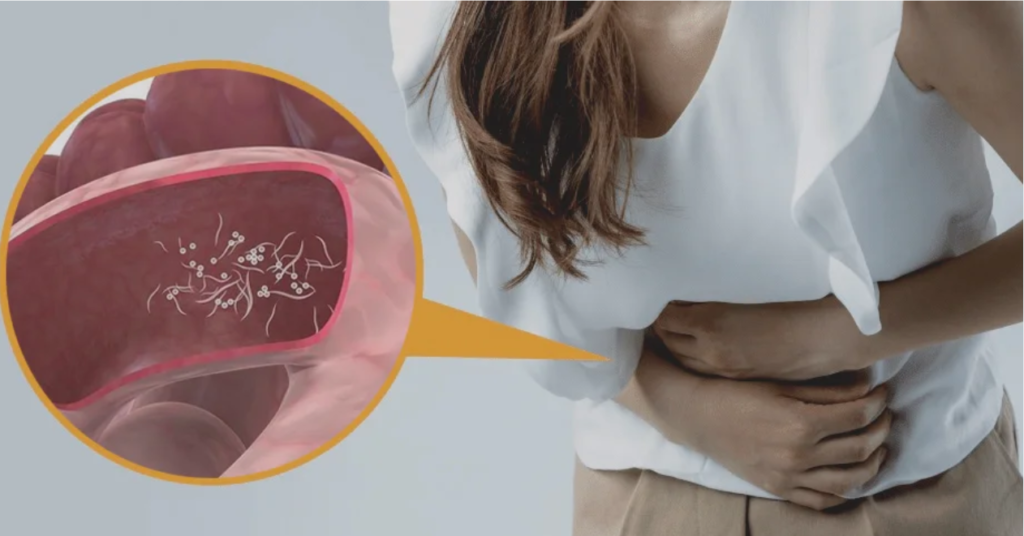
Understanding Parasites in the Digestive System
Parasites are organisms that live in or on a host and rely on it for survival. In the gastrointestinal tract, they may include:
- Protozoa (single-celled organisms)
- Helminths (intestinal worms)
Why the gut is vulnerable
The digestive system provides:
- Nutrients
- Warm environment
- Continuous flow of food
This makes it a suitable environment for certain parasites to survive and multiply.
Featured Snippet: Can parasites cause constipation?
Parasites may contribute to constipation by disrupting intestinal motility, causing inflammation, altering gut microbiota, interfering with nutrient absorption, and affecting nerve signaling in the digestive tract, though constipation is usually multifactorial.
Mechanism 1: Disruption of intestinal motility
One of the key ways parasites may influence constipation is by slowing bowel movement.
How this happens
- Parasites may irritate intestinal walls
- Inflammation can reduce muscle contractions
- Peristalsis (gut movement) becomes less efficient
Mechanism 2: Mechanical blockage in severe cases
In heavy infestations, physical obstruction may occur.
Possible effects
- Partial intestinal blockage
- Reduced stool passage
- Abdominal discomfort and bloating
Mechanism 3: Inflammation of the intestinal lining
Parasites can trigger immune responses in the gut.
Resulting effects
- Swelling of intestinal walls
- Increased sensitivity
- Altered bowel function
Mechanism 4: Changes in gut microbiota
The gut microbiome plays a major role in digestion.
How parasites affect it
- Disruption of beneficial bacteria
- Overgrowth of harmful microbes
- Reduced microbial diversity
Mechanism 5: Increased mucus production
The intestines may produce more mucus as a protective response.
Impact on digestion
- Stool movement becomes slower
- Changes in stool consistency
- Feeling of incomplete evacuation
Mechanism 6: Nutrient malabsorption
Parasites may interfere with nutrient absorption.
Consequences
- Deficiencies in magnesium and fiber-related metabolism
- Slower digestive efficiency
- Reduced stool bulk formation
Mechanism 7: Altered water absorption in the colon
Water balance in the colon is essential for stool formation.
What may happen
- Excess water absorption leads to hard stools
- Dehydrated stool becomes difficult to pass
Mechanism 8: Immune system activation
The body’s immune response can influence gut function.
Effects include
- Chronic low-grade inflammation
- Increased gut sensitivity
- Disrupted normal bowel rhythm
Mechanism 9: Nervous system interference (gut-brain axis)
The gut is connected to the nervous system.
Possible disruptions
- Altered signaling between gut and brain
- Reduced coordination of bowel movements
- Stress-like response in digestive tract
Mechanism 10: Fatigue and reduced activity levels
Chronic parasitic infection may cause general fatigue.
Indirect effects on constipation
- Less physical movement
- Slower metabolism
- Reduced intestinal stimulation
Step-by-Step: How Parasite-Related Digestive Disruption Develops
Step 1: Entry into the digestive system
Parasites may enter through:
- Contaminated food or water
- Poor hygiene practices
Step 2: Colonization of the intestines
They attach to or live within intestinal walls.
Step 3: Immune response activation
The body reacts, causing inflammation and irritation.
Step 4: Functional disruption
Normal digestion slows down, potentially leading to constipation or irregular bowel habits.
Advanced Insights: Why symptoms vary between individuals
Not everyone with parasites experiences constipation. This depends on:
- Type of parasite
- Severity of infection
- Immune system response
- Gut microbiome resilience
- Diet and hydration status
Common Misconceptions About Parasites and Constipation
“Constipation always means parasites”
Most constipation cases are caused by:
- Low fiber intake
- Dehydration
- Sedentary lifestyle
Parasites are a less common cause.
“Parasites always cause diarrhea”
Some infections may cause diarrhea, but others may lead to constipation depending on the organism and host response.
“Natural symptoms can confirm parasites”
Symptoms alone are not enough—medical testing is required for diagnosis.
When to Seek Medical Evaluation
Persistent digestive symptoms should be evaluated, especially if accompanied by:
- Unexplained weight loss
- Chronic abdominal pain
- Persistent changes in stool pattern
- Fatigue or weakness
Internal Linking Opportunities
This topic connects well with:
- Digestive health and constipation causes
- Gut microbiome balance
- Inflammatory bowel conditions
- Nutrient absorption and digestive function
- Immune system and gut interactions
Conclusion
The relationship between parasites and constipation is complex and involves multiple interconnected mechanisms, including changes in gut motility, inflammation, microbiome disruption, and altered water absorption. While parasites may contribute to digestive dysfunction in some cases, constipation is usually influenced by a combination of dietary, lifestyle, and physiological factors.
Understanding these crucial pathways helps broaden awareness of gut health and highlights the importance of proper diagnosis when symptoms persist. A balanced diet, good hydration, and medical evaluation when needed remain key steps in maintaining a healthy digestive system.
Important Disclaimer: This article is for informational purposes only and should not replace professional medical advice. For health-related concerns, including suspected parasitic infection or persistent digestive symptoms, consult a qualified healthcare provider for proper diagnosis and treatment. Individual results may vary.