Meta Description: Learn how to differentiate facial rash vs flushing, including causes, symptoms, clinical clues, and when each condition may indicate underlying disease.
Facial redness is one of the most common reasons people seek dermatological advice. However, not all redness is the same. Two frequently confused presentations are facial rash and flushing. While they may look similar at first glance, they differ significantly in cause, duration, and clinical significance.
Understanding the difference between facial rash vs flushing is essential for identifying whether the redness is a harmless temporary reaction or a sign of an underlying medical condition.
In this clinical guide, we will break down how to distinguish both conditions, what causes them, and how healthcare professionals approach diagnosis.
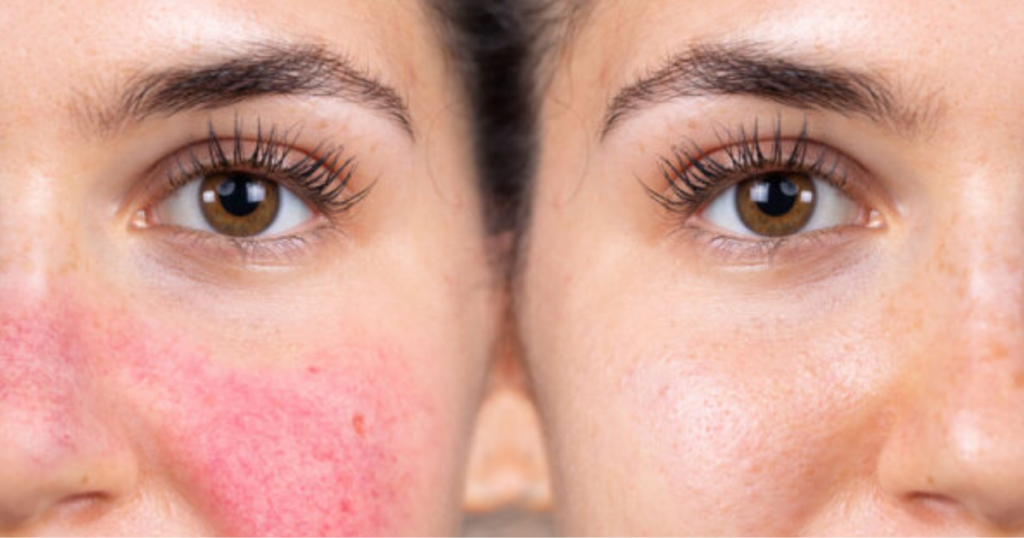
Understanding Facial Redness: Rash vs Flushing
Facial redness can arise from skin inflammation, vascular changes, or systemic triggers.
What is a facial rash?
A facial rash refers to visible skin changes caused by inflammation or irritation.
It may include:
- Red patches
- Scaling or dryness
- Bumps or lesions
- Itching or burning
What is flushing?
Flushing is a temporary redness caused by sudden dilation of blood vessels in the skin.
It is usually:
- Sudden in onset
- Short-lived
- Triggered by internal or external factors
Featured Snippet: What is the difference between facial rash and flushing?
A facial rash is a persistent skin condition involving inflammation, scaling, or lesions, while flushing is a temporary redness caused by blood vessel dilation, often triggered by heat, emotions, or food.
Key Causes of Facial Rash
Facial rashes often reflect underlying skin or systemic conditions.
1. Dermatological conditions
- Eczema (atopic dermatitis)
- Contact dermatitis
- Rosacea
- Psoriasis
2. Allergic reactions
- Cosmetics
- Skincare products
- Environmental allergens
3. Infections
- Viral exanthems
- Bacterial skin infections
- Fungal involvement
Key Causes of Facial Flushing
Flushing is typically vascular and reversible.
1. Emotional triggers
- Stress
- Anxiety
- Embarrassment
2. Environmental factors
- Heat exposure
- Hot drinks
- Alcohol consumption
3. Physiological or medical causes
- Menopause (hot flashes)
- Rosacea (vascular subtype)
- Certain medications
How to Clinically Differentiate Rash vs Flushing
Healthcare professionals rely on specific features to distinguish both conditions.
1. Duration of symptoms
- Rash: persistent or long-lasting
- Flushing: temporary (minutes to hours)
2. Skin appearance
- Rash: may include bumps, scaling, or dryness
- Flushing: smooth, uniform redness
3. Sensation
- Rash: itching, burning, or discomfort
- Flushing: warmth without skin texture changes
4. Triggers
- Rash: allergens, irritants, infections
- Flushing: heat, emotions, alcohol
Featured Snippet: How do doctors tell rash from flushing?
Doctors distinguish facial rash from flushing by evaluating duration, triggers, skin texture, and associated symptoms; rashes are persistent with inflammation, while flushing is temporary and vascular in nature.
Conditions That Can Cause Both Rash and Flushing
Some disorders overlap in presentation.
1. Rosacea
A chronic skin condition characterized by:
- Facial redness
- Flushing episodes
- Visible blood vessels
- Sometimes acne-like bumps
2. Systemic diseases
Certain internal conditions may cause both:
- Lupus
- Carcinoid syndrome
- Thyroid disorders
3. Medication reactions
Some drugs can cause:
- Persistent rash
- Episodic flushing
Step-by-Step Clinical Evaluation Approach
Step 1: Patient history
Doctors assess:
- Onset of redness
- Duration
- Triggers
Step 2: Physical examination
They evaluate:
- Skin texture
- Presence of lesions
- Distribution pattern
Step 3: Symptom pattern analysis
- Episodic = likely flushing
- Persistent = likely rash
Step 4: Additional testing (if needed)
- Allergy tests
- Blood work
- Skin biopsy in complex cases
Management Strategies
Treatment of facial rash
1. Topical therapies
- Corticosteroids (short-term use)
- Moisturizers
- Antifungal or antibacterial creams
2. Trigger avoidance
- Skincare products
- Allergens
- Irritants
Treatment of flushing
1. Lifestyle adjustments
- Avoid heat triggers
- Reduce alcohol intake
- Manage stress
2. Medical options
- Beta-blockers (in selected cases)
- Laser therapy for vascular changes
- Rosacea-specific treatments
Featured Snippet: Can flushing be treated?
Yes, flushing can be managed by identifying triggers, making lifestyle changes, and in some cases using medications or laser therapy when related to conditions like rosacea.
When to Seek Medical Attention
Consult a healthcare provider if:
- Redness persists or worsens
- Rash spreads or becomes painful
- Flushing is frequent or severe
- Other symptoms appear (fever, swelling, fatigue)
Internal Linking Opportunities
This topic connects well with:
- Rosacea and chronic skin conditions
- Allergic skin reactions
- Immune system and inflammation
- Dermatological diagnosis guides
- Skin barrier health and skincare routines
Conclusion
Understanding the difference between facial rash vs flushing is key to identifying what your skin is trying to communicate. While facial rashes are typically linked to inflammation, allergies, or infections and tend to persist, flushing is usually a temporary vascular response triggered by emotions, heat, or physiological changes.
By observing duration, triggers, and skin characteristics, it becomes easier to differentiate between the two and seek appropriate care when necessary. Early recognition helps ensure proper treatment, better symptom control, and improved skin health overall.
Listening to these subtle facial signals can provide important clues about both skin and systemic well-being.