Meta Description: Understand Alzheimer’s vs dementia, their key differences, symptoms, causes, and diagnosis. Learn how Alzheimer’s fits within dementia and what signs to watch for.
Memory changes, confusion, and cognitive decline are often grouped under the term “dementia,” but not all dementia is the same. One of the most common sources of confusion is the comparison between Alzheimer’s vs dementia.
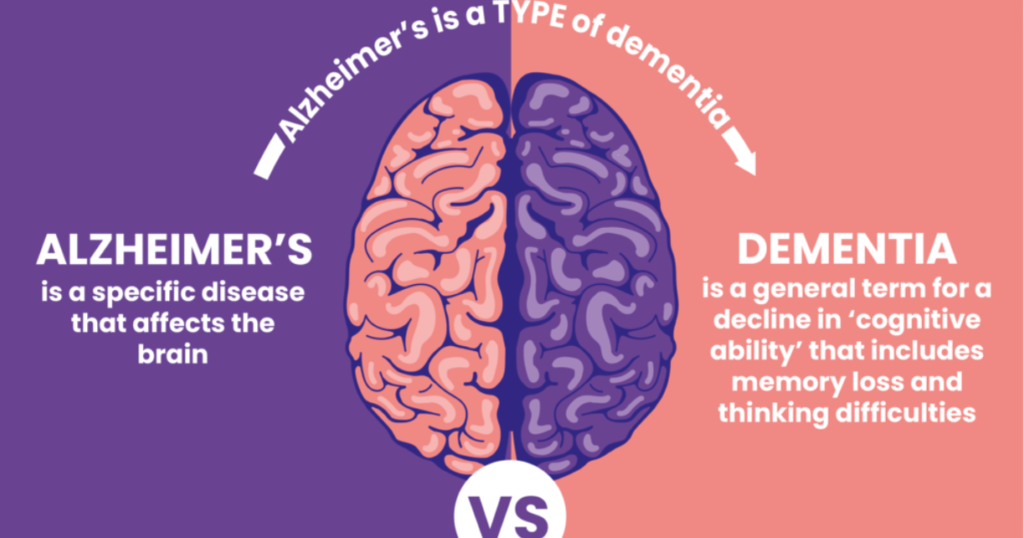
While these terms are often used interchangeably, they are not identical. Dementia is an umbrella term, and Alzheimer’s disease is one specific condition under that umbrella.
Understanding the difference between Alzheimer’s vs dementia helps with early recognition, better communication with healthcare providers, and clearer expectations about progression and care.
What Is Dementia?
Dementia is not a single disease but a group of symptoms affecting memory, thinking, and behavior.
Key features of dementia
- Memory loss
- Difficulty thinking or reasoning
- Language problems
- Changes in behavior or mood
Causes of dementia
Dementia can result from several conditions, including:
- Alzheimer’s disease
- Vascular dementia
- Lewy body dementia
- Frontotemporal dementia
What Is Alzheimer’s Disease?
Alzheimer’s disease is the most common cause of dementia, accounting for a large proportion of cases worldwide.
What happens in Alzheimer’s
- Progressive brain cell damage
- Accumulation of amyloid plaques
- Tau protein tangles
- Gradual loss of memory and function
Featured Snippet: What is the difference between Alzheimer’s and dementia?
Dementia is a general term for cognitive decline affecting memory and thinking, while Alzheimer’s is a specific brain disease and the most common cause of dementia.
Key Differences Between Alzheimer’s and Dementia
1. Definition
- Dementia: a syndrome (group of symptoms)
- Alzheimer’s: a specific disease
2. Scope
- Dementia includes multiple conditions
- Alzheimer’s is one type of dementia
3. Progression
- Dementia varies depending on cause
- Alzheimer’s is progressive and irreversible
4. Brain changes
- Dementia: different causes of brain damage
- Alzheimer’s: characteristic plaques and tangles
Symptoms of Dementia
Symptoms vary depending on the type but often include:
- Memory loss
- Confusion about time or place
- Difficulty completing familiar tasks
- Poor judgment
- Personality changes
Symptoms of Alzheimer’s Disease
Alzheimer’s symptoms typically progress slowly.
Early symptoms
- Forgetting recent events
- Misplacing objects
- Difficulty finding words
Middle-stage symptoms
- Increased confusion
- Mood changes
- Difficulty recognizing people
Late-stage symptoms
- Severe memory loss
- Loss of independence
- Difficulty communicating
Featured Snippet: What are the early signs of Alzheimer’s?
Early signs of Alzheimer’s include short-term memory loss, difficulty finding words, confusion about time or place, and challenges completing familiar tasks.
Causes and Risk Factors
Causes of dementia
- Stroke or reduced blood flow (vascular dementia)
- Brain cell degeneration
- Infections or trauma
Causes of Alzheimer’s
- Age-related brain changes
- Genetic factors
- Abnormal protein buildup in the brain
Risk factors for both
- Advanced age
- Family history
- Cardiovascular disease
- Smoking
- Poor lifestyle habits
How Alzheimer’s and Dementia Progress
Dementia progression
- Depends on underlying cause
- May be stable or slowly progressive
Alzheimer’s progression
Step 1: Mild cognitive impairment
- Subtle memory issues
Step 2: Early Alzheimer’s
- Noticeable memory loss
Step 3: Moderate stage
- Increased dependence
Step 4: Severe stage
- Full care required
Diagnosis of Alzheimer’s vs Dementia
1. Medical history and cognitive tests
Doctors evaluate:
- Memory
- Thinking skills
- Daily functioning
2. Brain imaging
- MRI or CT scans
- Rule out other causes
3. Blood tests
- Exclude vitamin deficiencies or metabolic issues
4. Specialized tests
- Neuropsychological assessments
- Biomarker testing (in some cases)
Featured Snippet: How is dementia diagnosed?
Dementia is diagnosed through cognitive assessments, medical history, brain imaging, and laboratory tests to determine the underlying cause of memory and thinking decline.
Treatment and Management
Treatment of dementia
Depends on the underlying cause:
- Managing vascular risk factors
- Treating infections or deficiencies
- Cognitive therapies
Treatment of Alzheimer’s
There is no cure, but treatment aims to slow progression:
- Cholinesterase inhibitors
- Memantine
- Cognitive stimulation therapy
- Lifestyle support
Supportive care for both
- Structured routines
- Safe environment
- Emotional support
- Caregiver assistance
Internal Linking Opportunities
This topic connects well with:
- Brain health and cognitive function
- Neurodegenerative diseases
- Memory loss and aging
- Mental health and neurological disorders
- Lifestyle factors affecting brain aging
Conclusion
Understanding the difference between Alzheimer’s vs dementia is essential for recognizing how cognitive decline is classified and managed. Dementia is a broad term describing a group of symptoms affecting memory and thinking, while Alzheimer’s disease is a specific, progressive brain disorder and the most common cause of dementia.
Although both conditions share overlapping symptoms, their causes, progression, and treatment approaches can differ significantly. Early recognition and proper medical evaluation play a key role in improving care, planning support, and maintaining quality of life.
By understanding these differences, you gain clarity about cognitive health and the importance of early intervention and ongoing support.