Meta Description: Discover the best iron-rich foods to boost hemoglobin naturally. Learn how diet improves red blood cells, energy levels, and prevents iron deficiency anemia.
Hemoglobin plays a central role in your energy and vitality because it carries oxygen throughout your body. When hemoglobin levels drop, you may feel tired, weak, or dizzy—often due to low iron intake or poor iron absorption.
The good news is that diet can make a powerful difference. Choosing the right iron-rich foods to boost hemoglobin can help support red blood cell production, improve oxygen transport, and restore energy naturally.
In this guide, you’ll discover the best foods to increase hemoglobin, how iron works in the body, and simple dietary strategies to improve absorption.
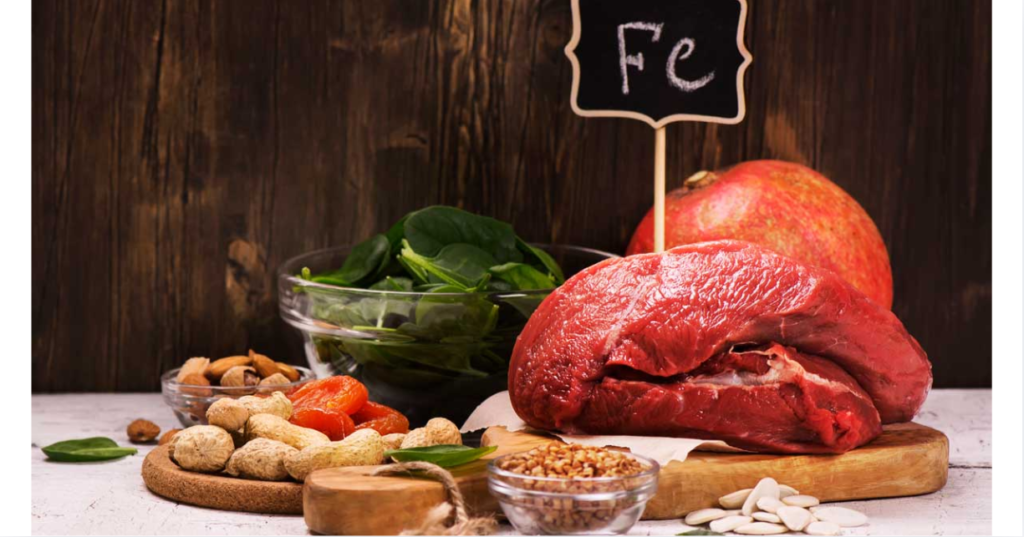
Understanding Hemoglobin and Iron: The Vital Connection
Hemoglobin is a protein in red blood cells that depends on iron to function properly.
Why iron matters for hemoglobin
Iron is essential because it:
- Forms the heme component of hemoglobin
- Helps bind oxygen in the lungs
- Supports red blood cell production
Without enough iron, your body cannot produce enough healthy hemoglobin.
Types of dietary iron
There are two main forms:
- Heme iron: Found in animal foods (easily absorbed)
- Non-heme iron: Found in plant foods (less easily absorbed but still important)
Featured Snippet: What foods increase hemoglobin naturally?
Foods that increase hemoglobin include red meat, liver, poultry, fish, lentils, beans, spinach, pumpkin seeds, and iron-fortified cereals, especially when paired with vitamin C-rich foods to improve absorption.
Best Animal-Based Iron-Rich Foods
Animal sources contain heme iron, which is absorbed more efficiently by the body.
1. Red meat (beef and lamb)
- One of the richest sources of heme iron
- Supports rapid hemoglobin production
- Also contains vitamin B12 and protein
2. Liver (beef or chicken)
- Extremely high in iron
- Rich in folate and vitamin A
- Often recommended for severe iron deficiency
3. Poultry (chicken and turkey)
- Moderate iron content
- Lean and easy to digest
- Good for regular maintenance
4. Fish and seafood
Examples include:
- Sardines
- Tuna
- Shellfish (clams, oysters)
These also provide omega-3 fatty acids, supporting overall blood health.
Plant-Based Iron-Rich Foods
Plant foods contain non-heme iron, which can still significantly improve hemoglobin when consumed properly.
1. Lentils and legumes
- Lentils
- Chickpeas
- Beans (black, kidney, white)
They are also rich in fiber and protein.
2. Leafy green vegetables
- Spinach
- Kale
- Swiss chard
Spinach is especially well-known for its iron content.
3. Nuts and seeds
- Pumpkin seeds
- Sesame seeds
- Almonds
These are easy snacks that support daily iron intake.
4. Whole grains and fortified foods
- Oats
- Quinoa
- Iron-fortified cereals
These are important for vegetarian or vegan diets.
Featured Snippet: How can you improve iron absorption from food?
You can improve iron absorption by combining iron-rich foods with vitamin C sources like oranges, lemons, strawberries, or bell peppers, and avoiding tea or coffee during meals.
Foods That Enhance Iron Absorption
Vitamin C plays a key role in improving iron uptake.
Best vitamin C sources
- Citrus fruits (oranges, lemons)
- Strawberries
- Bell peppers
- Tomatoes
Smart food pairing examples
- Spinach salad with lemon juice
- Lentils with tomatoes
- Beef with bell peppers
Foods That Block Iron Absorption
Some foods can reduce iron absorption if consumed at the same time.
Common inhibitors
- Tea and coffee (tannins)
- High-calcium foods (in excess during iron-rich meals)
- Processed foods
How Iron Supports Hemoglobin Production
Step 1: Iron absorption in the intestine
Iron enters the bloodstream through the small intestine.
Step 2: Transport to bone marrow
Iron is carried to the bone marrow.
Step 3: Red blood cell formation
Iron is used to build hemoglobin inside new red blood cells.
Step 4: Oxygen transport
Healthy red blood cells circulate and deliver oxygen efficiently.
Signs of Low Hemoglobin (Iron Deficiency)
Low hemoglobin may cause:
- Fatigue and weakness
- Pale skin
- Shortness of breath
- Dizziness
- Brittle nails
Featured Snippet: What are symptoms of iron deficiency anemia?
Symptoms of iron deficiency anemia include fatigue, pale skin, dizziness, shortness of breath, cold hands and feet, and reduced concentration due to low hemoglobin levels.
Who Is at Risk of Low Hemoglobin?
Certain groups are more prone to iron deficiency:
- Women with heavy menstrual cycles
- Pregnant individuals
- Vegetarians or vegans
- Children and teenagers
- People with chronic illnesses
Simple Dietary Strategy to Boost Hemoglobin
Step 1: Include iron-rich foods daily
Combine animal and plant sources if possible.
Step 2: Add vitamin C to meals
Always pair iron foods with citrus or vegetables.
Step 3: Avoid inhibitors during meals
Limit tea or coffee around iron-rich meals.
Step 4: Maintain consistency
Iron levels improve gradually over weeks.
Internal Linking Opportunities
This topic connects well with:
- Hemoglobin structure and function
- Iron deficiency anemia
- Nutritional deficiencies and fatigue
- Blood health and circulation
- Vitamin C and nutrient absorption
Conclusion
Boosting hemoglobin levels naturally starts with the right diet. By choosing iron-rich foods such as red meat, liver, legumes, leafy greens, and seeds, you can support red blood cell production and improve oxygen delivery throughout the body.
Pairing these foods with vitamin C and avoiding absorption inhibitors makes a significant difference in how effectively your body uses iron.
With consistent dietary habits and balanced nutrition, you can naturally improve hemoglobin levels, enhance energy, and support long-term blood health.