Meta Description: Learn how Candida albicans shifts from a harmless yeast to an infection. Discover causes, symptoms, risk factors, and effective management strategies.
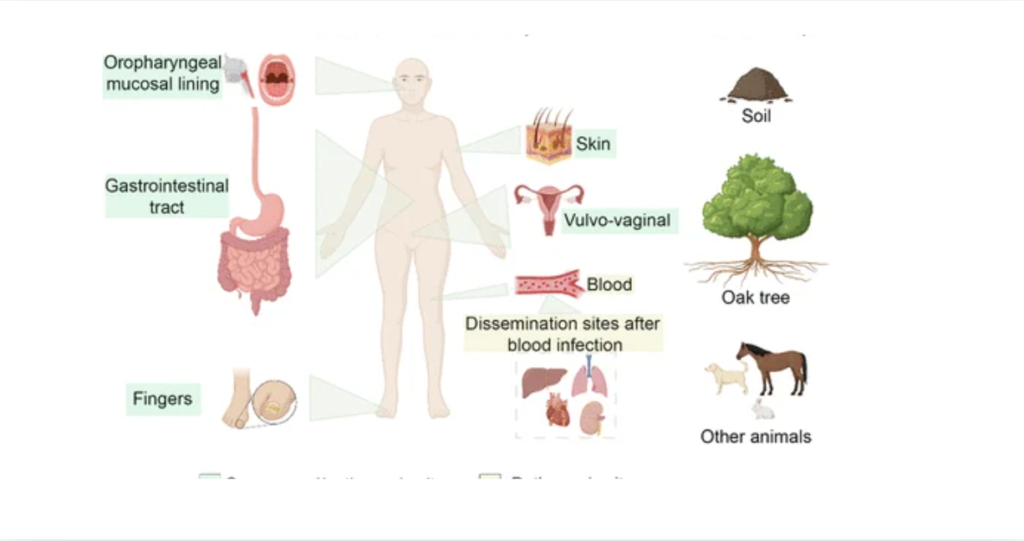
Candida albicans is a naturally occurring yeast that lives in your body—mainly in the mouth, gut, skin, and vaginal tract. Under normal conditions, it exists peacefully alongside beneficial bacteria. But when this balance is disrupted, Candida can overgrow and lead to infections.
Understanding how Candida albicans becomes problematic helps you recognize early warning signs and take steps to restore balance before complications arise.
What Is Candida albicans?
Candida albicans is part of your body’s normal microbiota—the community of microorganisms that support health.
Where it normally lives
- Mouth
- Digestive tract
- Skin
- Vaginal environment
Why it’s usually harmless
In a healthy body:
- Beneficial bacteria keep Candida in check
- The immune system prevents overgrowth
- Natural pH levels maintain balance
Featured Snippet: What is Candida albicans?
Candida albicans is a common yeast that naturally lives in the body but can cause infections when it overgrows due to imbalance or weakened immunity.
When Does Candida Become a Problem?
Candida turns harmful when its growth becomes uncontrolled.
Key triggers of overgrowth
- Disruption of normal microbiota
- Weakened immune system
- Changes in pH or environment
What happens during overgrowth
- Rapid multiplication of yeast
- Tissue irritation and inflammation
- Infection in affected areas
Common Types of Candida Infections
1. Oral candidiasis (thrush)
- White patches in the mouth
- Soreness or difficulty swallowing
2. Vaginal yeast infection
- Itching and irritation
- Thick, white discharge
- Burning sensation
3. Skin candidiasis
- Red, moist rashes
- Common in skin folds
4. Invasive candidiasis (rare but serious)
- Occurs in bloodstream or organs
- Seen in hospitalized or immunocompromised patients
Featured Snippet: What are symptoms of Candida overgrowth?
Symptoms of Candida overgrowth include itching, redness, white patches in the mouth, vaginal discharge, skin rashes, and discomfort depending on the affected area.
Causes and Risk Factors
1. Antibiotic use
- Kills beneficial bacteria
- Allows yeast to overgrow
2. Weakened immune system
- Chronic illness
- Stress
- Certain medications
3. High sugar intake
- Provides fuel for yeast growth
4. Hormonal changes
- Pregnancy
- Birth control use
5. Poor hygiene or moisture
- Warm, damp environments promote fungal growth
How Candida Overgrowth Develops
Step 1: Microbial imbalance
Good bacteria decrease.
Step 2: Yeast multiplication
Candida grows rapidly.
Step 3: Tissue invasion
Yeast adheres to and irritates tissues.
Step 4: Symptom onset
Inflammation and discomfort appear.
Featured Snippet: What causes Candida overgrowth?
Candida overgrowth is caused by imbalance in the body’s microbiota, often due to antibiotics, high sugar intake, weakened immunity, or hormonal changes.
Diagnosis of Candida Infections
1. Clinical examination
Doctors assess visible symptoms.
2. Laboratory testing
- Swab samples
- Microscopic analysis
- Culture tests
3. Blood tests (for severe cases)
- Detect systemic infection
Treatment Options
1. Antifungal medications
Common treatments include:
- Topical creams
- Oral antifungals
2. Restoring microbial balance
- Probiotics
- Diet adjustments
3. Managing underlying causes
- Reducing sugar intake
- Adjusting medications if necessary
4. Hygiene and lifestyle changes
- Keeping skin dry
- Wearing breathable clothing
Preventing Candida Overgrowth
1. Maintain a balanced diet
- Reduce excess sugar
- Include fiber and probiotics
2. Use antibiotics wisely
- Only when prescribed
- Avoid unnecessary use
3. Support immune health
- Sleep, stress management, nutrition
4. Practice good hygiene
- Keep skin clean and dry
- Avoid harsh irritants
Internal Linking Opportunities
This topic connects well with:
- Gut microbiome health
- Fungal infections and treatment
- Immune system function
- Vaginal health and pH balance
- Effects of antibiotics on the body
Conclusion
Candida albicans is a normal part of your body’s ecosystem, but when balance is disrupted, it can shift from harmless to harmful. Recognizing early signs of overgrowth—such as irritation, discharge, or skin changes—can help you act quickly and prevent complications.
By supporting your microbiome, maintaining healthy habits, and addressing underlying triggers, you can keep Candida in balance and protect your overall health.
Important Disclaimer: This article is for informational purposes only and should not replace professional advice. For health-related topics, consult healthcare providers. Individual results may vary, and personal circumstances should always be considered when implementing any suggestions.