Meta Description: Learn how liver detox really works and discover safe, natural ways to support liver function, improve detoxification, and protect your long-term health.
Your liver is one of the hardest-working organs in your body. Every day, it filters toxins, processes nutrients, regulates metabolism, and supports digestion. With so much responsibility, it’s no surprise that many people look for ways to “detox” their liver.
But here’s the truth: your body already has a powerful built-in detox system—and your liver is at the center of it. The goal isn’t extreme cleanses or restrictive diets, but rather supporting your liver naturally and safely so it can function at its best.
In this guide, you’ll discover how liver detoxification actually works, common myths, and practical strategies to enhance liver health in a sustainable way.
What Does “Liver Detox” Really Mean?
The term “liver detox” is often misunderstood.
The real meaning
Your liver continuously detoxifies your body by:
- Filtering blood from the digestive tract
- Breaking down toxins and medications
- Converting harmful substances into safer forms
- Eliminating waste through bile and urine
Why your liver doesn’t need extreme cleanses
Unlike popular detox trends:
- The liver works 24/7 naturally
- Juice cleanses don’t “reset” the liver
- Extreme fasting may actually stress the body
Featured Snippet: Does the liver need detoxing?
No, the liver does not need detoxing in the traditional sense. It naturally detoxifies the body, but it can be supported through healthy lifestyle habits and proper nutrition.
How Liver Detoxification Works
Liver detoxification happens in two main phases.
Phase 1: Breakdown (activation)
- Toxins are chemically modified
- Enzymes (like cytochrome P450) are involved
- Some substances may become temporarily more reactive
Phase 2: Conjugation (neutralization)
- Toxins are made water-soluble
- They become easier to eliminate
- Excreted through urine or bile
Why both phases matter
If Phase 1 is fast but Phase 2 is slow:
- Toxins may accumulate
- Oxidative stress can increase
Signs Your Liver May Need Support
While the liver doesn’t “store toxins” in the way some claims suggest, certain signs may indicate overload or stress.
Common indicators
- Persistent fatigue
- Digestive discomfort (bloating, nausea)
- Sensitivity to alcohol or fatty foods
- Skin issues (acne, dull complexion)
- Brain fog
Featured Snippet: What are signs of poor liver function?
Signs of poor liver function may include fatigue, digestive issues, skin changes, sensitivity to toxins, and reduced energy due to impaired detoxification processes.
Natural Ways to Support Liver Detox
Instead of extreme cleanses, focus on sustainable habits.
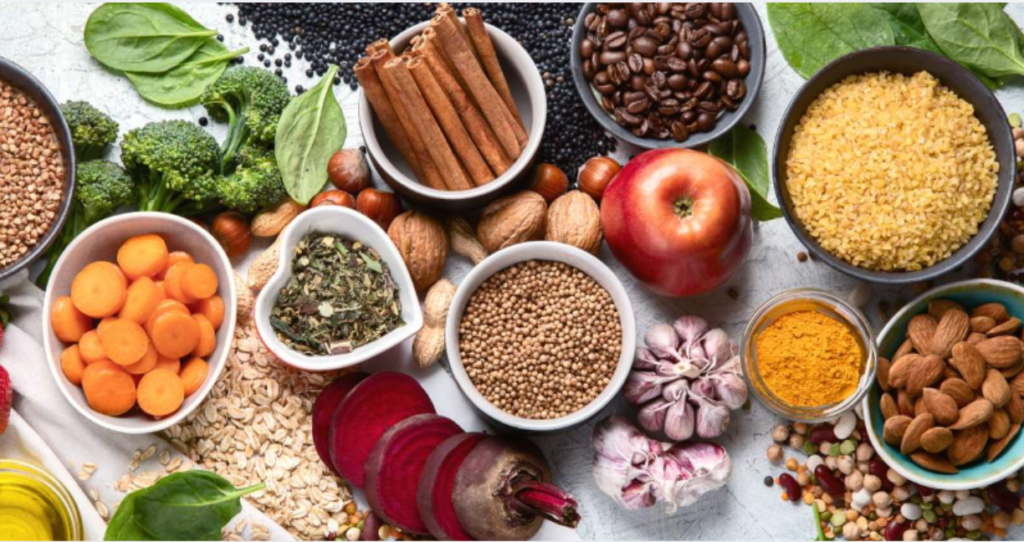
1. Eat liver-supportive foods
Certain nutrients help detox pathways.
Key foods include:
- Leafy greens (spinach, kale)
- Cruciferous vegetables (broccoli, cauliflower)
- Garlic and onions (sulfur compounds)
- Beets and carrots (antioxidants)
- Citrus fruits (vitamin C support)
2. Stay well hydrated
Water helps:
- Flush toxins through kidneys
- Support metabolic processes
- Maintain blood volume
3. Support antioxidant intake
Antioxidants reduce oxidative stress during detox.
Important nutrients:
- Vitamin C
- Vitamin E
- Glutathione (key detox molecule)
4. Limit toxin exposure
Reduce liver burden by avoiding:
- Excess alcohol
- Processed foods
- Environmental toxins (when possible)
5. Maintain a healthy weight
Excess fat can lead to fatty liver disease.
- Balanced diet
- Regular exercise
- Sustainable weight management
Foods and Habits That Harm the Liver
1. Excess alcohol consumption
- Directly damages liver cells
- Can lead to inflammation and cirrhosis
2. High sugar intake
- Promotes fat accumulation in the liver
- Increases risk of non-alcoholic fatty liver disease
3. Ultra-processed foods
- High in unhealthy fats and additives
- Increase metabolic stress
4. Sedentary lifestyle
- Slows metabolism
- Contributes to fat buildup
Featured Snippet: What foods help detox the liver?
Foods that support liver detox include leafy greens, cruciferous vegetables, garlic, citrus fruits, and antioxidant-rich foods that aid natural detoxification processes.
Myths About Liver Detox
Myth 1: Juice cleanses detox your liver
Reality: They may lack protein and essential nutrients.
Myth 2: Supplements alone can detox the liver
Reality: Lifestyle and diet are more important.
Myth 3: You can “flush toxins” in a few days
Reality: Detoxification is a continuous process.
Advanced Tips for Optimizing Liver Health
1. Improve gut health
A healthy gut reduces toxin load reaching the liver.
- Probiotics
- Fiber-rich foods
2. Prioritize sleep
- Supports metabolic repair
- Regulates hormone balance
3. Exercise regularly
- Improves circulation
- Supports fat metabolism
4. Balance protein intake
Protein supports detox pathways in Phase 2.
Internal Linking Opportunities
This topic connects well with:
- Digestive system and gut health
- Antioxidants and oxidative stress
- Fatty liver disease prevention
- Metabolism and weight management
- Hydration and detoxification processes
Conclusion
Liver detox isn’t about extreme cleanses or quick fixes—it’s about supporting your body’s natural detoxification system through consistent, healthy habits. Your liver already works tirelessly to protect you, and it thrives when you provide the right conditions.
By focusing on nutrient-rich foods, proper hydration, reduced toxin exposure, and an active lifestyle, you can enhance liver function safely and effectively.
Small daily choices make a big difference. Support your liver naturally, and it will continue to support your health for years to come.
Important Disclaimer: This article is for informational purposes only and should not replace professional advice. For health-related topics, consult healthcare providers. Individual results may vary, and personal circumstances should always be considered when implementing any suggestions.