Meta Description: Understand the difference between liver steatosis (fatty liver) and cirrhosis, including causes, progression, symptoms, and clinical implications for liver health.
The liver is one of the body’s most vital organs, responsible for metabolism, detoxification, and nutrient storage. Two common but very different liver conditions are fat accumulation and advanced scarring.
Understanding the difference between Hepatic steatosis and Liver cirrhosis is essential because one is often reversible, while the other is typically permanent and potentially life-threatening.
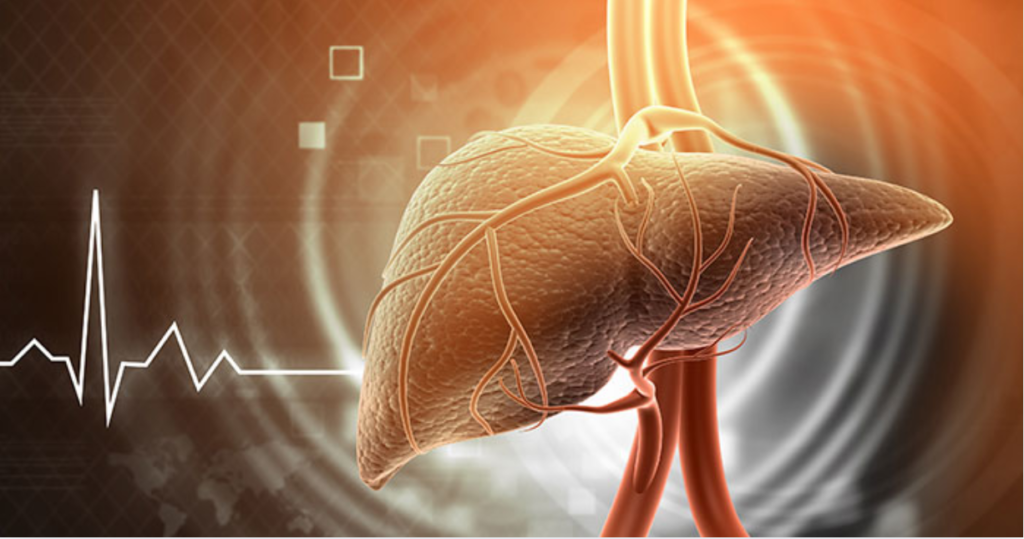
What Is Hepatic Steatosis (Fatty Liver)?
Hepatic steatosis refers to the accumulation of fat inside liver cells.
Key characteristics
- Excess fat buildup in hepatocytes
- Often asymptomatic in early stages
- Can be reversible with lifestyle changes
Common causes
- Obesity
- Insulin resistance
- High-fat or high-sugar diet
- Excess alcohol intake (alcoholic fatty liver)
Featured Snippet: What is fatty liver disease?
Fatty liver disease (hepatic steatosis) is a condition where excess fat accumulates in liver cells, often linked to obesity, insulin resistance, or alcohol use, and may be reversible if addressed early.
What Is Liver Cirrhosis?
Cirrhosis is the advanced stage of chronic liver damage where healthy liver tissue is replaced by scar tissue.
Key characteristics
- Permanent fibrosis (scarring)
- Reduced liver function
- Progressive and often irreversible
Common causes
- Chronic hepatitis B or C infection
- Long-term alcohol abuse
- Untreated fatty liver disease progression
- Chronic liver inflammation
Featured Snippet: What is liver cirrhosis?
Liver cirrhosis is a late-stage liver disease characterized by irreversible scarring that impairs liver function and may lead to liver failure.
Key Differences: Steatosis vs Cirrhosis
1. Nature of the condition
- Steatosis: Fat accumulation
- Cirrhosis: Fibrotic scarring
2. Reversibility
- Steatosis: Often reversible
- Cirrhosis: Generally irreversible
3. Liver function
- Steatosis: Usually normal early on
- Cirrhosis: Significantly impaired
4. Disease progression
- Steatosis → inflammation → fibrosis → cirrhosis (if untreated)
5. Symptoms
Steatosis
- Often silent
- Mild fatigue
- Mild abdominal discomfort
Cirrhosis
- Jaundice (yellow skin/eyes)
- Ascites (fluid in abdomen)
- Easy bruising
- Confusion (hepatic encephalopathy)
Featured Snippet: What is the difference between fatty liver and cirrhosis?
Fatty liver involves fat accumulation in liver cells and is often reversible, while cirrhosis involves permanent scarring of the liver and leads to progressive loss of liver function.
How Steatosis Progresses to Cirrhosis
Not all fatty liver cases progress, but chronic damage may follow this pathway:
Step 1: Fat accumulation
- Excess fat stored in liver cells
Step 2: Inflammation
- Development of steatohepatitis (fat + inflammation)
Step 3: Fibrosis
- Scar tissue begins forming
Step 4: Cirrhosis
- Extensive scarring replaces healthy tissue
Risk Factors for Progression
1. Metabolic syndrome
- Obesity
- Type 2 diabetes
- High cholesterol
2. Alcohol consumption
- Chronic heavy drinking
3. Viral hepatitis
- Chronic infection (B or C)
4. Poor lifestyle habits
- Sedentary lifestyle
- High-calorie diet
Diagnosis of Liver Conditions
1. Blood tests
- Liver enzymes (ALT, AST)
- Bilirubin levels
- Albumin
2. Imaging
- Ultrasound (fat detection)
- FibroScan (liver stiffness)
- CT or MRI in advanced cases
3. Liver biopsy (in some cases)
- Confirms fibrosis or cirrhosis
Featured Snippet: How are fatty liver and cirrhosis diagnosed?
They are diagnosed using blood tests, imaging studies like ultrasound or FibroScan, and sometimes liver biopsy to assess fat accumulation or scarring.
Management and Treatment
Fatty liver (Steatosis)
Main approach
- Weight loss
- Healthy diet (low sugar, low fat)
- Regular exercise
- Control of diabetes and cholesterol
Cirrhosis
Management goals
- Prevent further damage
- Manage complications
- Treat underlying cause
Treatments include
- Antiviral therapy (if hepatitis-related)
- Alcohol cessation
- Diuretics for fluid buildup
- Liver transplant (advanced cases)
Prevention Strategies
1. Maintain healthy weight
- Reduces fat accumulation
2. Balanced diet
- Reduce refined sugars and processed foods
- Increase fiber intake
3. Limit alcohol intake
- Prevents liver injury
4. Regular screening
- Especially for high-risk individuals
Internal Linking Opportunities
This topic connects well with:
- Metabolic syndrome and insulin resistance
- Alcohol-related liver disease
- Digestive system disorders
- Inflammation and fibrosis pathways
- Nutrition and detoxification processes
Conclusion
Hepatic steatosis (fatty liver) and liver cirrhosis represent two very different stages of liver disease. While steatosis is often reversible with lifestyle changes, cirrhosis involves permanent scarring and significant loss of liver function.
Early detection and intervention are critical. Addressing risk factors such as obesity, alcohol use, and metabolic disorders can prevent progression and preserve long-term liver health.
Important Disclaimer: This article is for educational purposes only and should not replace professional medical advice. If you suspect liver disease or have related symptoms, consult a qualified healthcare provider.