Meta Description: Understand the role of diagnostic assessments in healthcare, including clinical evaluations, laboratory tests, imaging, and how they guide accurate medical decisions.
Diagnostic assessments are the foundation of modern healthcare. They combine clinical evaluation, laboratory testing, imaging, and specialized procedures to help healthcare professionals identify diseases, monitor conditions, and guide treatment decisions.
Accurate diagnosis is essential for effective care, making these assessments a critical step in every medical pathway.
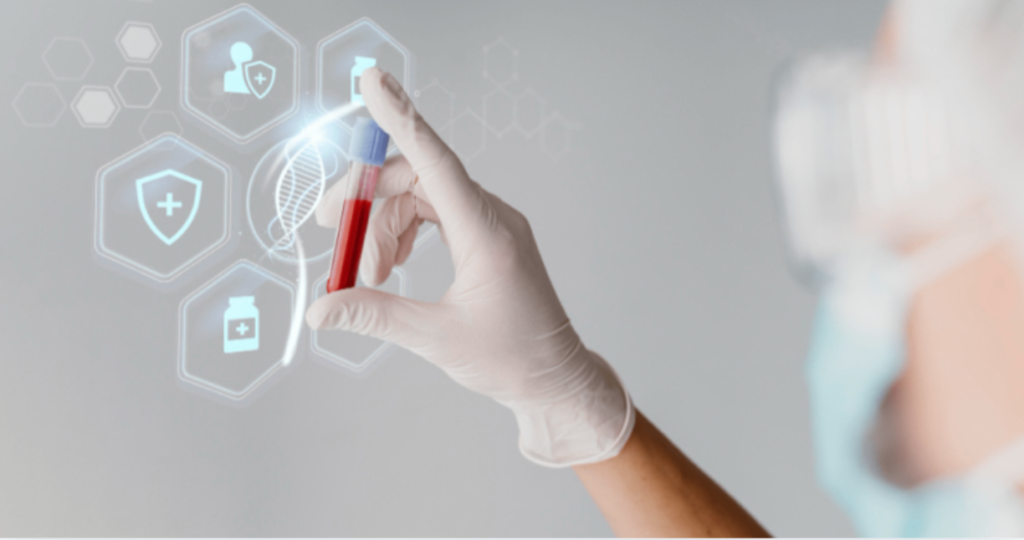
Featured Snippet: What are diagnostic assessments in healthcare?
Diagnostic assessments are medical evaluations such as physical exams, lab tests, imaging studies, and specialized procedures used to detect, confirm, and monitor diseases.
Why Diagnostic Assessments Are Important
Diagnostic tools help clinicians:
- Identify diseases early
- Confirm suspected conditions
- Rule out serious illnesses
- Monitor treatment response
- Guide medical or surgical decisions
1. Clinical Evaluation (First Step)
The diagnostic process often begins with a clinical assessment.
Components include:
- Medical history
- Symptom review
- Physical examination
- Vital signs measurement
Key role
Helps narrow down possible conditions before testing.
2. Laboratory Testing
Laboratory tests analyze blood, urine, or other body fluids.
Common tests
- Complete blood count (CBC)
- Blood glucose tests
- Liver and kidney function tests
- Electrolyte panels
- Infection markers
Featured Snippet: Why are blood tests important in diagnosis?
Blood tests help detect infections, organ dysfunction, nutritional deficiencies, and metabolic disorders by analyzing key biological markers.
3. Medical Imaging
Imaging allows visualization of internal structures.
Common modalities
- X-rays
- CT scans
- MRI
- Ultrasound
Example
Magnetic resonance imaging
Clinical use
- Detect tumors
- Evaluate injuries
- Assess organ structure
- Identify neurological conditions
4. Pathology and Tissue Analysis
Some conditions require direct tissue examination.
Biopsy process
A small tissue sample is collected and analyzed under a microscope.
Uses
- Cancer diagnosis
- Infection identification
- Inflammatory disease assessment
5. Functional and Specialized Tests
These tests evaluate how organs work rather than just structure.
Examples
- ECG (heart function)
- EEG (brain activity)
- Pulmonary function tests (lung capacity)
- Stress tests
Featured Snippet: What is an ECG used for?
An ECG measures electrical activity of the heart to detect arrhythmias, heart attacks, and other cardiac conditions.
6. Biomarkers and Screening Tools
Biomarkers help detect disease at molecular or cellular levels.
Examples
- CA-125 (ovarian conditions)
- Blood glucose (diabetes)
- Cholesterol levels
- Inflammatory markers (CRP)
How Diagnostic Information Is Combined
Doctors rarely rely on a single test.
They integrate:
- Symptoms
- Clinical examination
- Laboratory results
- Imaging findings
- Patient history
This improves diagnostic accuracy.
Featured Snippet: Can one test diagnose a disease?
In most cases, no single test is enough. Diagnosis usually requires combining clinical findings, lab tests, and imaging results.
Challenges in Diagnostic Assessment
1. Overlapping symptoms
Many diseases share similar signs.
2. False positives or negatives
Tests are not always 100% accurate.
3. Individual variability
Age, genetics, and health status affect results.
Advancements in Diagnostic Medicine
Modern healthcare is improving diagnosis through:
- AI-assisted imaging analysis
- Genetic testing
- Advanced biomarker discovery
- Point-of-care testing
Featured Snippet: How has medical diagnosis improved?
Medical diagnosis has improved through advanced imaging, laboratory automation, genetic testing, and artificial intelligence that enhances accuracy and early detection.
Importance of Early Diagnosis
Early detection helps:
- Improve treatment outcomes
- Reduce complications
- Lower healthcare costs
- Increase survival rates in serious diseases
Internal Linking Opportunities
This topic connects well with:
- Medical imaging technologies
- Blood biomarkers and lab testing
- Preventive healthcare screening
- Disease detection and early warning signs
- Clinical decision-making processes
Conclusion
Diagnostic assessments are essential to modern medicine, forming the basis of accurate clinical decisions. By combining clinical evaluation, laboratory testing, imaging, and specialized tools, healthcare providers can detect diseases early, monitor conditions effectively, and design appropriate treatments.
As medical technology advances, diagnostic accuracy continues to improve, strengthening patient care and outcomes.
Important Disclaimer: This article is for educational purposes only and should not replace professional medical advice. Diagnostic decisions should always be made by qualified healthcare professionals based on individual clinical evaluation.