Meta Description: Learn what brain fog is, its possible causes, common symptoms, and how it can affect concentration, memory, and mental clarity.
Brain fog is not a formal medical diagnosis, but rather a term commonly used to describe a state of mental cloudiness, reduced focus, and cognitive fatigue. People experiencing brain fog often report difficulty concentrating, forgetfulness, slowed thinking, or feeling mentally “disconnected.”
While occasional mental fatigue is common, persistent brain fog may reflect underlying physical, psychological, or lifestyle-related factors.
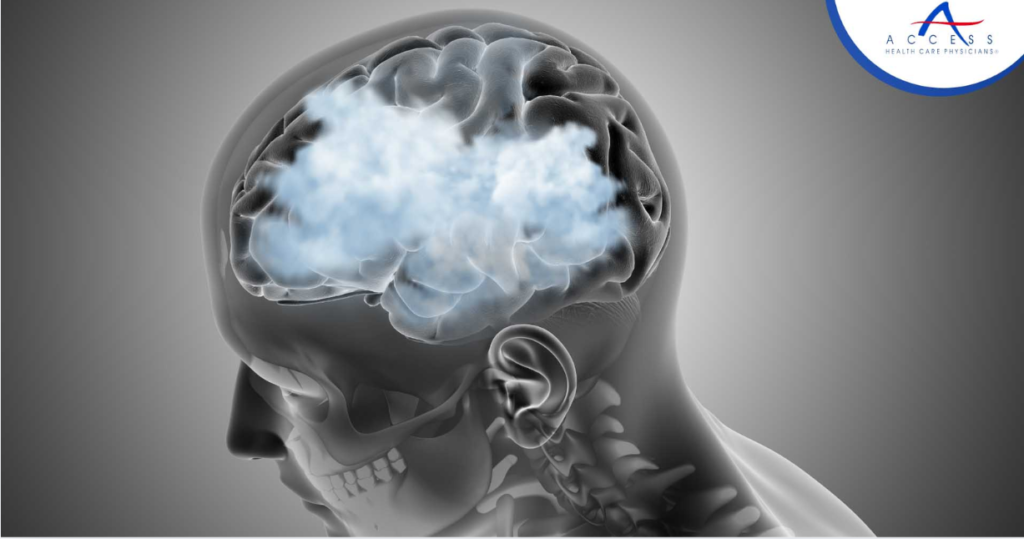
Featured Snippet: What is brain fog?
Brain fog is a term used to describe reduced mental clarity, poor concentration, forgetfulness, and cognitive fatigue that can interfere with daily functioning.
Common Symptoms of Brain Fog
Brain fog can affect multiple aspects of cognitive function.
Typical symptoms include:
- Difficulty concentrating
- Forgetfulness
- Slower thinking
- Mental fatigue
- Trouble finding words
- Reduced productivity
- Feeling mentally “foggy” or unfocused
Featured Snippet: What are symptoms of brain fog?
Symptoms of brain fog include poor concentration, memory problems, mental fatigue, slowed thinking, confusion, and difficulty focusing.
Possible Causes of Brain Fog
Brain fog is often multifactorial, meaning several causes may contribute at the same time.
1. Poor Sleep and Sleep Disorders
Sleep is essential for memory consolidation and brain recovery.
Common sleep-related causes
- Sleep deprivation
- Irregular sleep schedule
- Sleep apnea
- Chronic insomnia
Effects on cognition
- Reduced attention span
- Slower reaction time
- Memory impairment
2. Chronic Stress and Anxiety
Stress hormones can influence cognitive performance.
How stress affects the brain
High cortisol levels may interfere with:
- Memory processing
- Attention
- Mental flexibility
Related concept
Cortisol
3. Nutritional Deficiencies
The brain depends on adequate nutrient intake.
Possible deficiencies linked to brain fog
- Vitamin B12
- Iron
- Vitamin D
- Omega-3 fatty acids
4. Blood Sugar Fluctuations
Poor glucose regulation can impair cognitive performance.
Possible symptoms
- Mental fatigue after meals
- Dizziness
- Difficulty focusing
5. Hormonal Changes
Hormones strongly influence brain function.
Common situations
- Perimenopause
- Thyroid disorders
- Hormonal imbalance
Related condition
Hypothyroidism
Featured Snippet: Can hormones cause brain fog?
Yes, hormonal changes involving thyroid hormones, estrogen, or cortisol may contribute to concentration problems and mental fatigue.
6. Inflammation and Illness
Inflammation may affect brain signaling and energy metabolism.
Examples
- Viral illness recovery
- Autoimmune conditions
- Chronic inflammatory states
7. Medication Side Effects
Some medications may contribute to cognitive symptoms.
Examples include
- Sedatives
- Antihistamines
- Certain antidepressants
How Brain Fog Affects Daily Life
Brain fog may interfere with:
- Work performance
- Academic focus
- Communication
- Decision-making
- Emotional well-being
Cognitive Functions Commonly Affected
1. Attention
Difficulty staying focused on tasks.
2. Memory
Problems recalling information quickly.
3. Processing speed
Slower mental responses and thinking.
4. Executive function
Reduced organization and multitasking ability.
Featured Snippet: Is brain fog dangerous?
Brain fog itself is not usually dangerous, but persistent or worsening symptoms may signal an underlying medical or psychological condition that requires evaluation.
Strategies That May Help Reduce Brain Fog
1. Improve sleep quality
- Consistent sleep schedule
- Reduced screen exposure before bed
2. Optimize nutrition
- Balanced meals
- Adequate hydration
- Sufficient micronutrients
3. Physical activity
Exercise improves circulation and cognitive function.
4. Stress management
Helpful strategies include:
- Relaxation techniques
- Mindfulness
- Time management
5. Medical evaluation
Persistent symptoms may require testing for:
- Nutrient deficiencies
- Thyroid disorders
- Blood sugar abnormalities
When to Seek Medical Advice
Consult a healthcare provider if brain fog is:
- Persistent
- Worsening
- Associated with neurological symptoms
- Affecting daily function significantly
Internal Linking Opportunities
This topic connects well with:
- Sleep and circadian rhythm
- Stress and cortisol regulation
- Nutrient deficiencies and fatigue
- Thyroid health and hormones
- Cognitive wellness and mental performance
Conclusion
Brain fog describes a state of reduced mental clarity that can affect concentration, memory, and cognitive performance. It may result from sleep problems, stress, hormonal imbalance, nutritional deficiencies, or underlying medical conditions.
Addressing lifestyle factors and identifying possible underlying causes can help improve cognitive function and overall well-being.
Important Disclaimer: This article is for educational purposes only and should not replace professional medical advice. Persistent cognitive symptoms should be evaluated by a qualified healthcare provider.