Meta Description: Learn key health indicators women over 40 should monitor, including hormonal changes, bone health, cardiovascular risks, and warning symptoms that should not be ignored.
After the age of 40, the body undergoes gradual hormonal, metabolic, and structural changes. These shifts are natural, but they can also increase the risk of certain conditions if early warning signs are overlooked.
Recognizing critical health indicators early can support prevention, timely diagnosis, and long-term well-being.
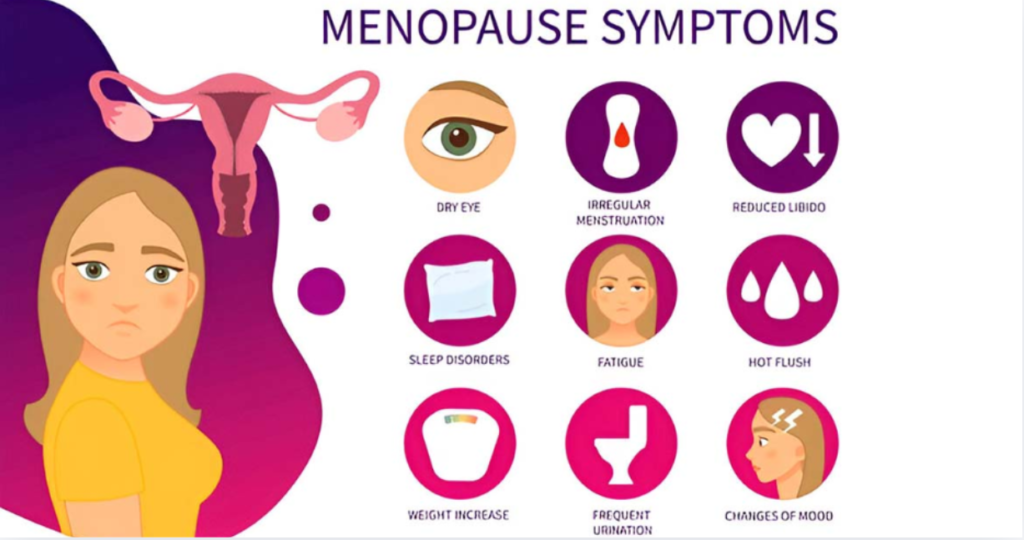
Featured Snippet: What health signs should women over 40 watch for?
Women over 40 should monitor irregular menstrual changes, unexplained fatigue, bone pain, weight changes, heart symptoms, mood shifts, and changes in breast or urinary health.
1. Menstrual Cycle Changes
Hormonal fluctuations become more noticeable in the 40s.
Possible changes
- Irregular periods
- Heavier or lighter flow
- Skipped cycles
What it may indicate
- Perimenopause
- Hormonal imbalance
- Thyroid dysfunction
Featured Snippet: Why do periods change after 40?
Period changes after 40 are often due to perimenopause, where estrogen and progesterone levels fluctuate as the body transitions toward menopause.
2. Persistent Fatigue
Ongoing tiredness is not always “normal aging.”
Possible causes
- Iron deficiency
- Thyroid disorders
- Poor sleep quality
- Stress or burnout
Related condition
Iron-deficiency anemia
3. Bone and Joint Changes
Bone density naturally decreases with age.
Warning signs
- Back pain
- Height loss
- Fractures from minor injuries
Related condition
Osteoporosis
4. Heart and Circulation Symptoms
Cardiovascular risk increases after 40.
Symptoms to watch
- Chest discomfort
- Shortness of breath
- Palpitations
- Unusual fatigue during activity
Featured Snippet: Why is heart risk higher after 40 in women?
Heart risk increases after 40 due to hormonal changes, especially declining estrogen, which affects cholesterol balance and vascular health.
5. Weight Changes Without Explanation
Metabolism often slows with age.
Possible causes
- Hormonal shifts
- Reduced muscle mass
- Thyroid imbalance
- Insulin resistance
6. Mood Changes and Sleep Disturbances
Emotional and sleep changes may become more common.
Symptoms
- Anxiety
- Irritability
- Insomnia
- Mood swings
Possible links
- Perimenopause
- Stress hormone imbalance
- Thyroid dysfunction
7. Breast Changes
Regular self-awareness is important.
Warning signs
- New lumps
- Skin dimpling
- Nipple changes
- Persistent pain
Featured Snippet: What breast changes should not be ignored?
New lumps, skin changes, nipple discharge, or persistent breast pain should always be medically evaluated.
8. Urinary and Pelvic Changes
Pelvic floor strength may decline over time.
Possible signs
- Urinary leakage
- Frequent urination
- Pelvic pressure
9. Bone and Muscle Weakness
Loss of muscle mass (sarcopenia) may begin gradually.
Signs
- Reduced strength
- Slower movement
- Increased fatigue during activity
10. Thyroid-Related Symptoms
Thyroid imbalance becomes more common with age.
Symptoms
- Fatigue
- Weight changes
- Hair thinning
- Cold intolerance
Related condition
Hypothyroidism
Preventive Health Strategies
1. Regular screening
- Blood pressure
- Blood sugar
- Cholesterol
- Bone density tests
2. Balanced nutrition
- Calcium and vitamin D
- Lean protein
- Fiber-rich foods
3. Physical activity
- Strength training
- Walking
- Flexibility exercises
4. Stress management
- Sleep hygiene
- Relaxation techniques
- Mind-body balance
Featured Snippet: What health tests should women over 40 do?
Women over 40 should consider regular screening for blood pressure, cholesterol, blood sugar, thyroid function, and bone density depending on risk factors.
When to Seek Medical Advice
Consult a healthcare provider if you notice:
- Persistent fatigue
- Unexplained weight changes
- Chest pain or shortness of breath
- Abnormal bleeding
- New lumps or pain
Internal Linking Opportunities
This topic connects well with:
- Hormonal health and menopause
- Bone density and osteoporosis
- Cardiovascular risk factors
- Thyroid disorders
- Preventive health screening
Conclusion
After 40, women experience natural physiological changes that can influence hormones, metabolism, bone strength, and cardiovascular health. Paying attention to early warning signs allows for timely prevention and better long-term outcomes.
Regular screening, healthy lifestyle habits, and awareness of body changes are key to maintaining vitality and health during this stage of life.
Important Disclaimer: This article is for educational purposes only and should not replace professional medical advice. Individuals with concerning symptoms should consult a qualified healthcare provider for evaluation.