Meta Description: Learn what ascites is, how fluid accumulates in the abdomen, its major causes, symptoms, diagnostic methods, and modern management approaches.
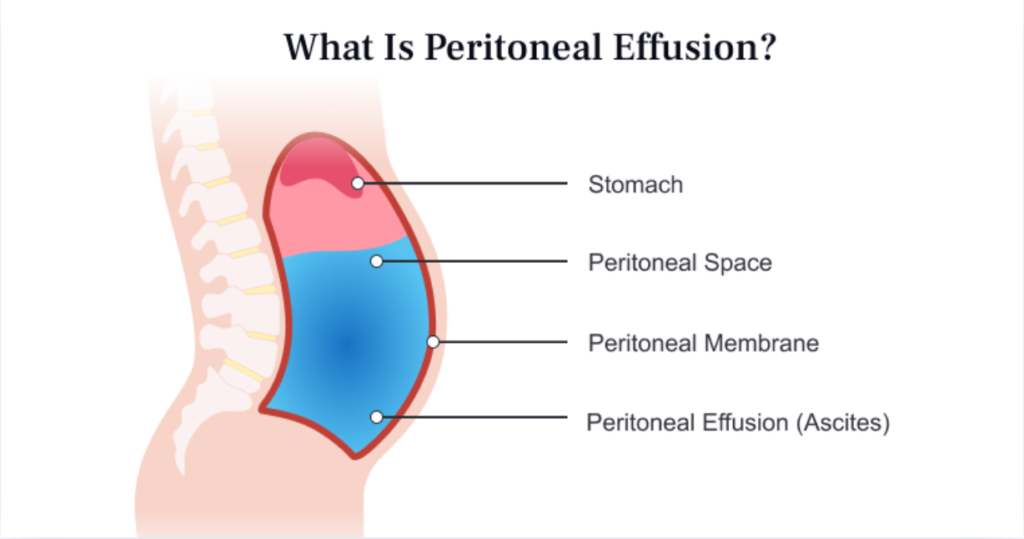
Ascites refers to the buildup of fluid inside the peritoneal cavity, the space surrounding abdominal organs. It is most commonly associated with advanced liver disease, but it can also result from heart failure, cancer, kidney disorders, and inflammatory conditions.
Ascites is not a disease itself, but rather a clinical sign of an underlying medical problem that affects fluid regulation and circulation.
Featured Snippet: What causes ascites?
Ascites is commonly caused by liver cirrhosis, portal hypertension, cancer, heart failure, kidney disease, or inflammation that disrupts normal fluid balance in the abdomen.
Understanding How Ascites Develops
Fluid balance in the abdomen depends on pressure regulation, blood vessel integrity, and protein balance.
When these systems are disrupted, fluid leaks into the abdominal cavity.
Key Mechanisms Behind Ascites
1. Portal Hypertension
One of the most common pathways.
What happens
Pressure increases in the portal venous system, which carries blood through the liver.
Result
Fluid is pushed out of blood vessels into abdominal tissues.
Related condition
Portal hypertension
2. Low Albumin Levels
Albumin helps keep fluid inside blood vessels.
When albumin decreases
Fluid escapes more easily into tissues and body cavities.
Common in
- Advanced liver disease
- Severe malnutrition
- Kidney disorders
3. Sodium and Water Retention
Hormonal and kidney-related changes may cause fluid retention.
Effects
- Increased body fluid volume
- Worsening abdominal swelling
Major Causes of Ascites
1. Liver Cirrhosis
Most common cause worldwide.
Related condition
Cirrhosis
Why it leads to ascites
- Portal hypertension develops
- Albumin production decreases
- Fluid regulation becomes impaired
2. Cancer-Related Ascites
Fluid may accumulate due to abdominal tumors or metastasis.
Common associated cancers
- Ovarian cancer
- Liver cancer
- Gastrointestinal cancers
3. Heart Failure
Poor cardiac function affects circulation pressure.
Result
Fluid backs up into tissues and body cavities.
4. Kidney Disease
Kidney dysfunction alters salt and water balance.
5. Infection and Inflammation
Certain infections or inflammatory diseases may irritate the peritoneum.
Symptoms of Ascites
Common symptoms include
- Abdominal swelling
- Rapid abdominal enlargement
- Feeling of heaviness
- Bloating
- Shortness of breath (if severe)
Featured Snippet: What are symptoms of ascites?
Symptoms of ascites include abdominal swelling, bloating, discomfort, rapid weight gain, and shortness of breath in more advanced cases.
Physical and Clinical Signs
Healthcare providers may observe:
- Fluid wave movement in the abdomen
- Distended abdomen
- Weight gain from fluid retention
- Swollen legs (edema)
Diagnosis of Ascites
1. Physical examination
Abdominal assessment may suggest fluid accumulation.
2. Imaging studies
Ultrasound
Commonly used to confirm fluid presence.
CT scan
May help identify underlying causes.
3. Paracentesis
A procedure where abdominal fluid is sampled.
Purpose
- Analyze infection
- Measure protein levels
- Detect cancer cells
Featured Snippet: How is ascites diagnosed?
Ascites is diagnosed through physical examination, ultrasound imaging, and sometimes paracentesis to analyze abdominal fluid.
Modern Management Strategies
Treatment focuses on both symptom control and underlying disease management.
1. Sodium Restriction
Reducing dietary sodium helps decrease fluid retention.
2. Diuretic Therapy
Medications may help remove excess fluid.
Common goal
Increase urine output and reduce swelling.
3. Paracentesis
Large fluid collections may require drainage.
Benefits
- Relieves abdominal pressure
- Improves breathing and comfort
4. Treating the Underlying Cause
Examples include:
- Liver disease management
- Cancer treatment
- Heart failure optimization
5. Advanced Therapies
In selected cases:
- TIPS procedure (for portal hypertension)
- Liver transplantation
Potential Complications
Untreated or severe ascites may lead to:
- Infection of ascitic fluid
- Breathing difficulty
- Hernias
- Kidney dysfunction
Related condition
Spontaneous bacterial peritonitis
When to Seek Medical Attention
Seek medical evaluation if symptoms include:
- Rapid abdominal swelling
- Fever
- Severe abdominal pain
- Confusion
- Difficulty breathing
Internal Linking Opportunities
This topic connects well with:
- Liver dysfunction and cirrhosis
- Portal hypertension
- Fluid balance and edema
- Kidney and cardiovascular function
- Diagnostic imaging and paracentesis
Conclusion
Ascites is a complex condition involving abnormal fluid accumulation in the abdomen, most often linked to liver disease and portal hypertension. Understanding its mechanisms, symptoms, and modern management approaches is essential for improving patient outcomes and quality of life.
Early diagnosis and treatment of the underlying cause play a critical role in preventing complications and reducing disease progression.
Important Disclaimer: This article is for educational purposes only and should not replace professional medical advice. Persistent abdominal swelling or suspected ascites requires prompt medical evaluation.