Meta Description: Learn about kidney stones, including common symptoms, causes, risk factors, and how these mineral deposits affect the urinary system.
Kidney stones are solid crystal-like deposits that develop when minerals and salts accumulate in the urinary system. They can vary in size from tiny grains to larger stones capable of blocking urine flow and causing severe pain.
Kidney stones are common and may affect individuals of different ages, often recurring if underlying risk factors are not addressed.
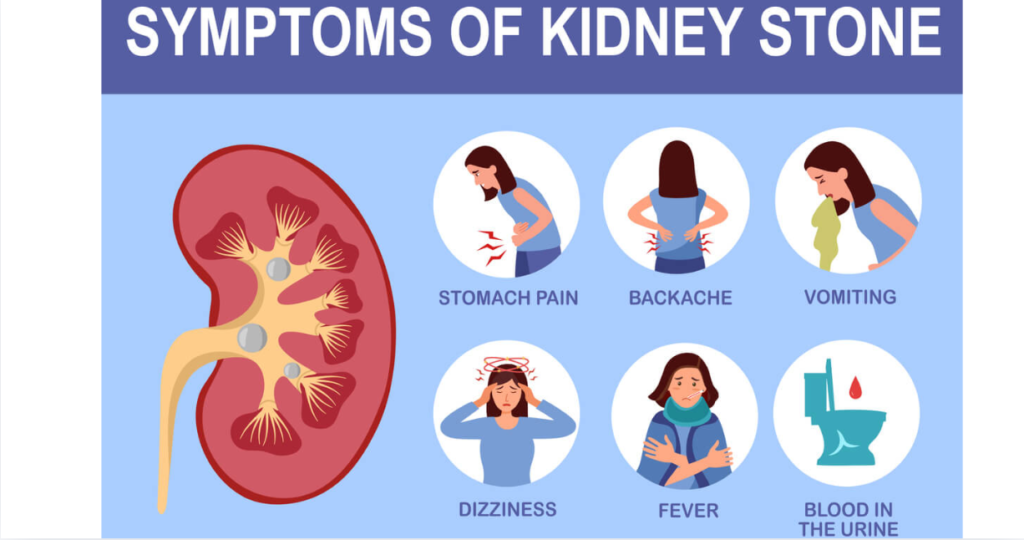
Featured Snippet: What are symptoms of kidney stones?
Common symptoms of kidney stones include severe flank pain, painful urination, blood in urine, nausea, vomiting, and frequent urination.
What Are Kidney Stones?
Kidney stones form when substances in urine become highly concentrated and crystallize.
These stones may develop in:
- Kidneys
- Ureters
- Bladder
Types of Kidney Stones
Different stones form from different minerals.
Common types include
Calcium stones
Most common type.
Uric acid stones
Often linked to dehydration or high uric acid levels.
Struvite stones
May develop after urinary infections.
Cystine stones
Associated with rare inherited conditions.
Main Causes of Kidney Stones
1. Dehydration
Insufficient fluid intake concentrates urine.
Why it matters
Concentrated urine increases crystal formation risk.
Featured Snippet: Can dehydration cause kidney stones?
Yes, dehydration increases urine concentration, making mineral crystals more likely to form into kidney stones.
2. Diet and Nutrition
Certain dietary patterns may increase stone risk.
Examples
- High sodium intake
- Excess animal protein
- High oxalate foods in susceptible individuals
3. Metabolic and Medical Conditions
Some conditions alter urine chemistry.
Examples
- Obesity
- Gout
- Hyperparathyroidism
- Recurrent urinary tract infections
4. Family History and Genetics
Genetic predisposition can influence recurrence risk.
Common Symptoms of Kidney Stones
Symptoms often occur when a stone moves or blocks urine flow.
1. Severe Pain
Often called renal colic.
Common pain locations
- Side of abdomen
- Lower back
- Groin area
Characteristics
- Sudden onset
- Intense, wave-like pain
2. Painful Urination
Stones near the bladder may irritate the urinary tract.
3. Blood in Urine
Urine may appear:
- Pink
- Red
- Brown
Featured Snippet: Why do kidney stones cause blood in urine?
Kidney stones may scrape or irritate the urinary tract lining, causing bleeding that appears as blood in urine.
4. Frequent Urination
Especially when stones approach the bladder.
5. Nausea and Vomiting
Pain and nervous system responses may trigger digestive symptoms.
6. Fever or Chills
Could suggest infection and requires urgent medical attention.
Clinical Signs and Diagnosis
Healthcare providers may use:
Urine tests
- Blood detection
- Crystal analysis
- Infection evaluation
Blood tests
- Kidney function
- Electrolyte balance
- Calcium and uric acid levels
Imaging studies
- CT scan
- Ultrasound
- X-ray
Potential Complications
Untreated stones may lead to:
- Urinary blockage
- Infection
- Kidney damage
- Recurrent stone formation
Prevention Strategies
1. Adequate Hydration
Drinking sufficient water helps dilute urine.
2. Balanced Diet
Moderate intake of:
- Sodium
- Processed foods
- Excess animal protein
3. Medical Monitoring
Individuals with recurrent stones may need specialized evaluation.
4. Address Underlying Conditions
Managing metabolic disorders can reduce recurrence risk.
Featured Snippet: How can kidney stones be prevented?
Kidney stone prevention often includes staying hydrated, limiting excess sodium, eating a balanced diet, and managing underlying medical conditions.
When to Seek Immediate Medical Attention
Seek urgent care if symptoms include:
- Fever with pain
- Persistent vomiting
- Difficulty urinating
- Severe uncontrolled pain
- Signs of infection
Internal Linking Opportunities
This topic connects well with:
- Hydration and electrolyte balance
- Kidney function and urinary health
- Calcium and mineral metabolism
- Urinary tract infections
- Metabolic health and nutrition
Conclusion
Kidney stones are painful mineral deposits that develop in the urinary tract due to concentrated urine, metabolic factors, or dietary influences. Symptoms such as severe flank pain, blood in urine, and painful urination should not be ignored.
Early diagnosis, hydration, and preventive lifestyle measures can help reduce complications and future recurrence.
Important Disclaimer: This article is for educational purposes only and should not replace professional medical advice. Severe pain, fever, or urinary blockage requires prompt medical evaluation.