Meta Description: Learn natural strategies that may help reduce gout flare-ups, support healthy uric acid levels, and improve joint comfort through nutrition and lifestyle habits.
Gout is a form of inflammatory arthritis that develops when uric acid levels become elevated, allowing sharp crystals to form in joints. These crystals can trigger sudden episodes of pain, swelling, redness, and stiffness.
While medical treatment is often important, lifestyle and dietary strategies may help reduce the frequency of flare-ups and support overall joint health.
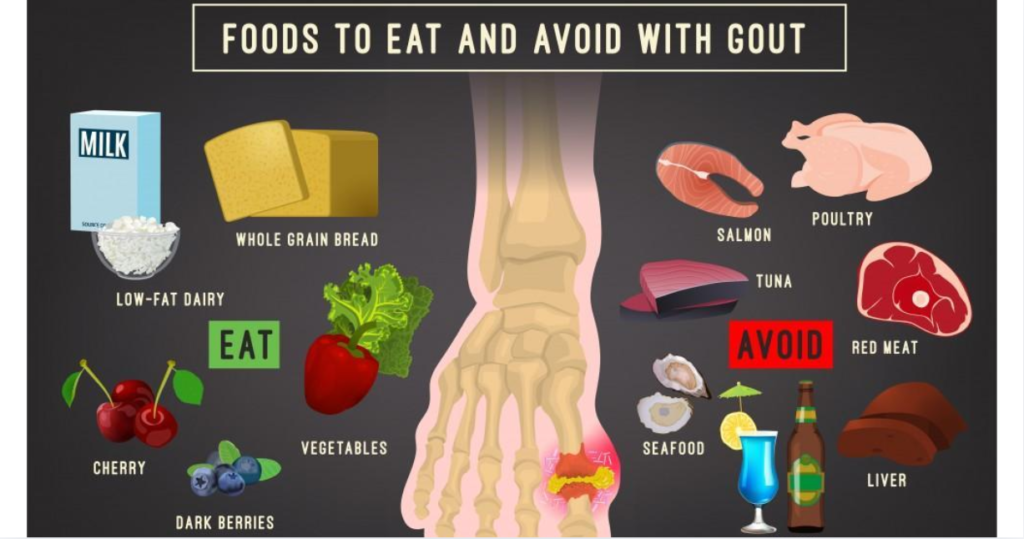
Featured Snippet: How can gout flare-ups be reduced naturally?
Gout flare-ups may be reduced through proper hydration, maintaining a healthy weight, limiting high-purine foods, moderating alcohol intake, and following a balanced diet rich in fruits, vegetables, and whole foods.
Understanding Gout
Uric acid is produced when the body breaks down substances called purines.
Normally, uric acid dissolves in the blood and is removed through the kidneys.
When uric acid levels become too high:
- Crystals may form in joints
- Inflammation develops
- Painful gout attacks can occur
Common Symptoms of Gout
Typical signs include
- Sudden joint pain
- Redness
- Swelling
- Warmth around the joint
- Limited joint movement
Frequently affected areas
- Big toe
- Ankles
- Feet
- Knees
- Wrists
Natural Strategies to Help Reduce Flare-Ups
1. Stay Well Hydrated
Adequate hydration supports normal kidney function and uric acid elimination.
Helpful tips
- Drink water regularly throughout the day
- Increase fluid intake during hot weather or exercise
Featured Snippet: Does drinking water help gout?
Proper hydration may help support uric acid elimination and reduce the likelihood of crystal formation.
2. Maintain a Healthy Weight
Excess body weight is associated with higher uric acid levels.
Benefits of gradual weight management
- Improved metabolic health
- Reduced joint stress
- Better uric acid regulation
3. Limit High-Purine Foods
Some foods contain large amounts of purines, which may contribute to elevated uric acid.
Foods often limited during gout management
- Organ meats
- Certain red meats
- Sardines
- Anchovies
4. Emphasize Plant-Based Foods
A balanced diet rich in whole foods may support overall health.
Helpful choices
- Vegetables
- Fruits
- Whole grains
- Legumes
- Nuts
5. Choose Vitamin C-Rich Foods
Vitamin C may support healthy uric acid metabolism.
Examples
- Oranges
- Strawberries
- Kiwi
- Bell peppers
Foods That May Support Joint Health
Commonly recommended options
- Cherries
- Berries
- Leafy greens
- Low-fat dairy products
Featured Snippet: Are cherries good for gout?
Some research suggests cherries may help support healthy uric acid levels and may be associated with fewer gout flare-ups in certain individuals.
Lifestyle Habits That May Help
Regular Physical Activity
Exercise supports:
- Weight management
- Metabolic health
- Joint mobility
Examples
- Walking
- Swimming
- Cycling
Adequate Sleep
Quality sleep supports inflammation regulation and overall wellness.
Stress Management
Chronic stress may affect inflammatory processes and overall health.
What to Avoid During a Flare-Up
During active symptoms, some individuals benefit from:
- Resting the affected joint
- Maintaining hydration
- Avoiding potential dietary triggers
When Medical Care Is Important
Lifestyle measures are supportive, but medical evaluation remains essential.
Seek medical attention if
- Severe joint pain develops suddenly
- Symptoms recur frequently
- Fever accompanies joint swelling
- Joint symptoms significantly limit daily activities
Potential Complications of Untreated Gout
Persistent elevated uric acid may contribute to:
- Recurrent attacks
- Joint damage
- Kidney stone formation
Related condition
Kidney stones
Internal Linking Opportunities
This topic connects well with:
- Kidney stone prevention
- Hydration and electrolyte balance
- Anti-inflammatory nutrition
- Joint health and arthritis
- Metabolic health and weight management
Conclusion
Gout is a painful inflammatory condition linked to elevated uric acid levels and crystal formation within joints. Alongside appropriate medical care, healthy lifestyle habits such as proper hydration, balanced nutrition, weight management, and regular physical activity may help reduce flare-ups and support long-term joint health.
Understanding personal triggers and maintaining consistent preventive habits can play an important role in improving comfort and quality of life.
Important Disclaimer: This article is for educational purposes only and should not replace professional medical advice. Individuals with recurrent gout symptoms should consult a qualified healthcare professional for diagnosis and personalized treatment recommendations.