Meta Description: Learn about asthma symptoms, warning signs, triggers, and when to seek medical attention. Discover how asthma affects the airways and breathing.
Asthma is a long-term respiratory condition that affects millions of people worldwide. It causes inflammation and narrowing of the airways, making it more difficult for air to move in and out of the lungs.
Symptoms can range from mild and occasional to severe and potentially life-threatening. Recognizing the warning signs early can help individuals seek appropriate medical care and better manage their condition.
Featured Snippet: What are the common symptoms of asthma?
Common asthma symptoms include wheezing, coughing, shortness of breath, chest tightness, and difficulty breathing, especially during physical activity, at night, or after exposure to triggers.
What Happens During Asthma?
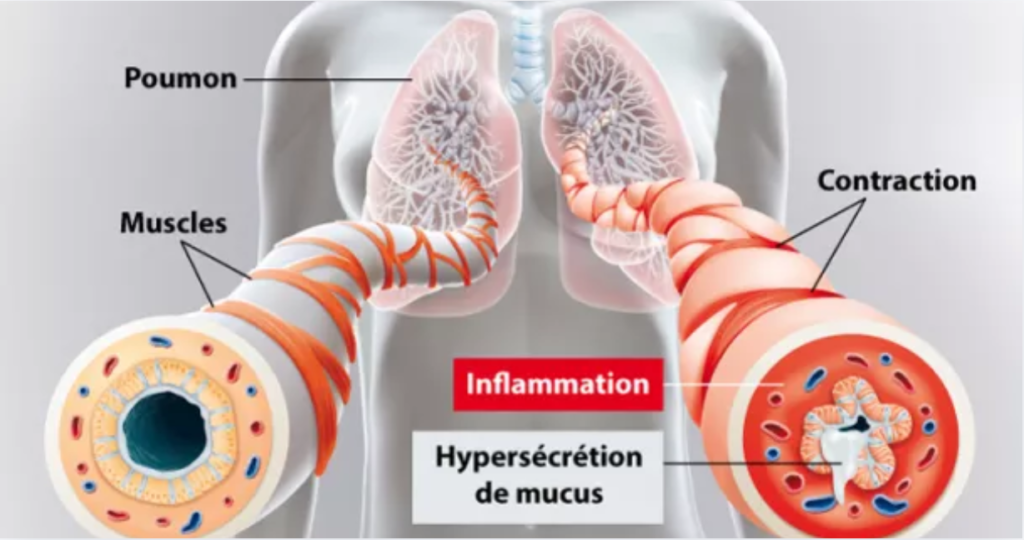
In asthma, the airways become inflamed and overly sensitive to certain triggers.
When exposed to a trigger:
- Airway muscles tighten
- Airway lining becomes swollen
- Mucus production may increase
Result
The airways become narrower, making breathing more difficult.
Common Symptoms of Asthma
1. Wheezing
Wheezing is a high-pitched whistling sound heard during breathing.
Often occurs
- During exhalation
- After exercise
- During asthma flare-ups
2. Shortness of Breath
Many people describe feeling unable to take a full breath.
Possible situations
- Physical activity
- Exposure to allergens
- Nighttime or early morning
Featured Snippet: Why does asthma cause shortness of breath?
Asthma causes shortness of breath because airway inflammation, muscle tightening, and excess mucus reduce airflow through the lungs.
3. Persistent Cough
A cough may be one of the earliest symptoms.
Characteristics
- Often worse at night
- May worsen with exercise
- Can occur after respiratory infections
4. Chest Tightness
Individuals may experience:
- Pressure in the chest
- A squeezing sensation
- Discomfort when breathing deeply
5. Increased Mucus Production
Some people produce excess mucus during asthma episodes.
Common Asthma Triggers
Symptoms may worsen after exposure to specific triggers.
Environmental triggers
- Dust mites
- Pollen
- Mold
- Animal dander
Other triggers
- Respiratory infections
- Tobacco smoke
- Air pollution
- Cold air
- Exercise
- Strong odors
Early Warning Signs of an Asthma Flare-Up
Symptoms may gradually worsen before a significant attack.
Possible warning signs
- Increased coughing
- Mild wheezing
- Reduced exercise tolerance
- Difficulty sleeping due to breathing symptoms
- Increased use of rescue medication
Featured Snippet: What are the warning signs of an asthma attack?
Warning signs may include worsening cough, wheezing, chest tightness, shortness of breath, and difficulty performing normal activities.
Severe Asthma Symptoms
Severe symptoms require urgent medical attention.
Emergency warning signs
- Severe breathing difficulty
- Rapid breathing
- Difficulty speaking in full sentences
- Bluish lips or fingernails
- Symptoms not improving with prescribed medication
Diagnosis of Asthma
Healthcare providers may evaluate:
Medical history
Assessment of symptoms and triggers.
Physical examination
Listening for abnormal breathing sounds.
Lung function testing
Examples include:
- Spirometry
- Peak flow measurements
Managing Asthma
Although asthma cannot always be cured, it can often be effectively controlled.
Common management strategies
- Avoiding known triggers
- Following prescribed treatment plans
- Monitoring symptoms
- Maintaining regular medical follow-up
Lifestyle Factors That Support Respiratory Health
Helpful habits
- Avoid smoking
- Exercise as recommended by a healthcare provider
- Maintain healthy indoor air quality
- Stay up to date with recommended vaccinations
Potential Complications of Poorly Controlled Asthma
Without proper management, asthma may lead to:
- Frequent flare-ups
- Reduced quality of life
- Sleep disturbances
- Emergency medical visits
When to Seek Medical Advice
Consult a healthcare professional if you experience:
- Frequent coughing or wheezing
- Recurrent shortness of breath
- Symptoms that interfere with daily activities
- Suspected asthma attacks
Internal Linking Opportunities
This topic connects well with:
- Respiratory health and lung function
- Allergies and immune responses
- Exercise and breathing
- Air pollution and lung health
- Chronic inflammatory conditions
Conclusion
Asthma is a chronic airway condition characterized by inflammation, airway narrowing, and breathing difficulties. Common symptoms include wheezing, coughing, chest tightness, and shortness of breath.
Recognizing symptoms and warning signs early can help individuals seek timely medical care and improve long-term respiratory health. With proper management, many people with asthma can lead active and healthy lives.
Important Disclaimer: This article is for educational purposes only and should not replace professional medical advice. Individuals experiencing severe breathing difficulties should seek immediate medical attention.**