Meta Description: Discover simple, natural strategies that may help ease physical tension, support emotional well-being, and promote everyday comfort for both body and mind.
Modern life often brings physical aches, mental fatigue, and daily stress. While occasional discomfort is a normal part of life, healthy lifestyle habits can help support resilience, relaxation, and overall well-being.
Small, consistent changes can make a meaningful difference in how you feel both physically and emotionally.
Featured Snippet: How can you naturally relieve everyday discomfort?
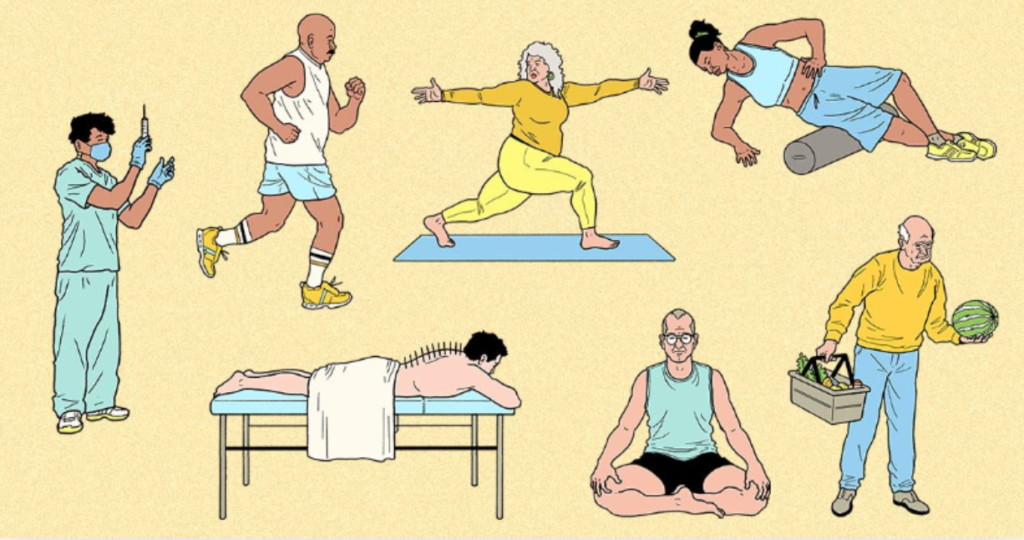
Natural approaches such as regular movement, quality sleep, hydration, stress management, balanced nutrition, and relaxation techniques may help support physical comfort and emotional well-being.
1. Stay Physically Active
Movement helps keep the body functioning efficiently.
Potential benefits
- Reduced muscle stiffness
- Improved circulation
- Better flexibility
- Enhanced mood
Simple activities
- Walking
- Stretching
- Cycling
- Gentle yoga
2. Prioritize Quality Sleep
Sleep is essential for recovery and overall health.
During sleep, the body supports
- Tissue repair
- Hormonal balance
- Memory processing
- Immune function
Featured Snippet: Why is sleep important for well-being?
Sleep supports physical recovery, mental performance, immune health, and emotional balance.
3. Stay Hydrated
Water is involved in nearly every bodily function.
Benefits of proper hydration
- Supports circulation
- Helps regulate body temperature
- Maintains joint lubrication
- Supports cognitive function
4. Practice Stress Management
Chronic stress can affect both physical and mental health.
Helpful techniques
- Deep breathing exercises
- Meditation
- Mindfulness practices
- Spending time in nature
Related concept
Cortisol
5. Nourish Your Body with Balanced Nutrition
Food provides the building blocks for health and recovery.
Focus on
- Fruits and vegetables
- Whole grains
- Lean proteins
- Healthy fats
Nutrients that support wellness
- Magnesium
- Omega-3 fatty acids
- Vitamin D
- Antioxidants
6. Support Muscle Relaxation
Muscle tension can contribute to discomfort and fatigue.
Natural approaches
- Gentle stretching
- Warm baths
- Massage
- Light physical activity
7. Spend Time Outdoors
Nature exposure may support emotional and physical well-being.
Potential benefits
- Reduced stress
- Improved mood
- Increased physical activity
- Exposure to natural light
Featured Snippet: Can spending time outdoors improve well-being?
Many people find that regular time outdoors supports mood, stress management, and overall wellness.
8. Maintain Social Connections
Positive relationships are important for emotional health.
Benefits may include
- Emotional support
- Reduced feelings of isolation
- Improved resilience during stressful periods
9. Take Regular Mental Breaks
Continuous mental demands can contribute to fatigue.
Helpful practices
- Short walks
- Stretch breaks
- Quiet reflection
- Limiting screen time when possible
10. Listen to Your Body
Pay attention to signs that may indicate the need for rest or medical evaluation.
Examples
- Persistent fatigue
- Ongoing pain
- Sleep disturbances
- Significant mood changes
When to Seek Professional Advice
Natural wellness strategies can be helpful, but persistent or worsening symptoms should be assessed by a healthcare professional.
Seek evaluation for
- Severe pain
- Ongoing fatigue
- Significant anxiety or depression
- Unexplained physical symptoms
Internal Linking Opportunities
This topic connects well with:
- Stress and cortisol management
- Sleep and recovery
- Hydration and wellness
- Anti-inflammatory nutrition
- Mental health and resilience
Conclusion
Supporting both body and mind does not always require complicated solutions. Consistent habits such as regular movement, balanced nutrition, quality sleep, hydration, stress management, and meaningful social connections can help promote comfort, resilience, and overall well-being.
Small daily choices often create the strongest foundation for long-term health and vitality.
Important Disclaimer: This article is for educational purposes only and should not replace professional medical advice. Persistent physical or emotional symptoms should be evaluated by a qualified healthcare professional.