Meta Description: Learn how iron deficiency anemia presents clinically, including early signs, symptoms, causes, and diagnostic indicators related to low iron levels.
Iron deficiency anemia is one of the most common nutritional deficiencies worldwide. It occurs when the body does not have enough iron to produce adequate hemoglobin, the protein in red blood cells responsible for carrying oxygen.
Because oxygen delivery is reduced, many organs and tissues begin to show subtle but progressive signs of dysfunction.
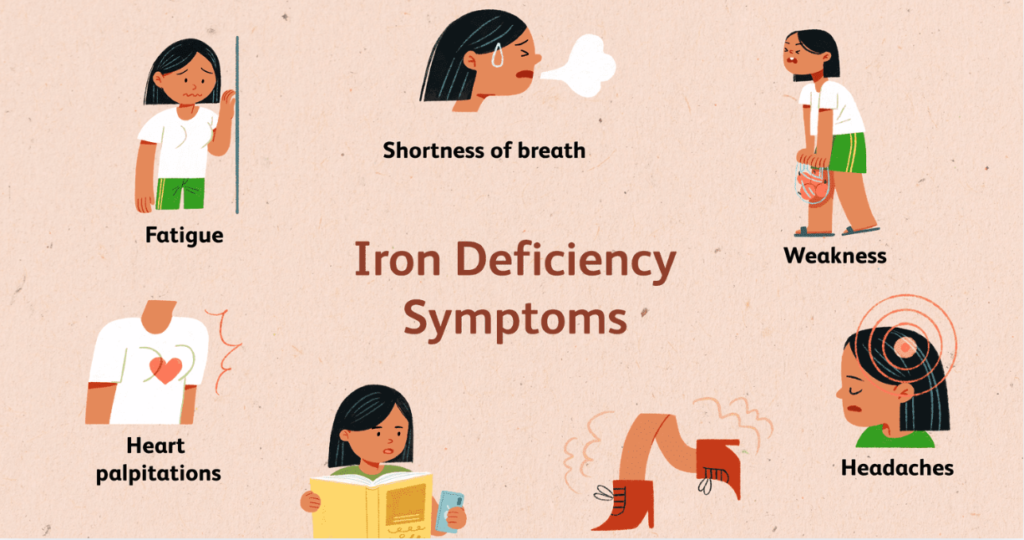
Featured Snippet: What are the signs of iron deficiency anemia?
Common signs of iron deficiency anemia include fatigue, pale skin, weakness, shortness of breath, dizziness, brittle nails, and cold hands and feet.
Understanding the Role of Iron
Iron is essential for hemoglobin production.
Key functions include
- Oxygen transport
- Energy production
- Muscle metabolism
- Cognitive function support
Related concept
Hemoglobin
Early Clinical Signs of Iron Deficiency
Symptoms often develop gradually and may be overlooked at first.
1. Fatigue and Low Energy
One of the earliest and most common symptoms.
Why it happens
Reduced oxygen delivery to tissues leads to decreased energy production.
2. Pale Skin and Mucous Membranes
Lower hemoglobin levels reduce blood coloration.
Common observations
- Pale face
- Pale inner eyelids
- Reduced skin coloration
3. Shortness of Breath
Even mild activity may cause breathlessness.
Featured Snippet: Why does iron deficiency cause shortness of breath?
Iron deficiency reduces hemoglobin levels, limiting oxygen delivery and making breathing feel more difficult during activity.
4. Dizziness and Headaches
The brain may receive less oxygen than normal.
Possible symptoms
- Lightheadedness
- Frequent headaches
- Difficulty concentrating
5. Cold Hands and Feet
Reduced circulation efficiency may cause temperature changes.
6. Brittle Nails and Hair Changes
Iron is important for tissue growth and repair.
Signs include
- Spoon-shaped nails (koilonychia)
- Hair thinning
- Weak, brittle nails
7. Restless Legs Syndrome
Some individuals experience uncomfortable leg sensations.
Related association
Iron plays a role in dopamine function, which may influence movement control.
8. Heart-Related Symptoms
In more severe cases, the heart may work harder to compensate.
Possible signs
- Rapid heartbeat
- Palpitations
- Chest discomfort during exertion
Causes of Iron Deficiency Anemia
1. Inadequate dietary intake
Low iron intake from food sources.
2. Blood loss
- Heavy menstrual bleeding
- Gastrointestinal bleeding
- Surgery or trauma
3. Increased demand
- Pregnancy
- Growth periods in children and adolescents
4. Poor absorption
- Gastrointestinal disorders
- Reduced stomach acid
Diagnosis of Iron Deficiency Anemia
Healthcare providers use blood tests to confirm diagnosis.
Key tests include
- Hemoglobin level
- Ferritin (iron stores)
- Serum iron
- Total iron-binding capacity (TIBC)
Featured Snippet: How is iron deficiency anemia diagnosed?
Iron deficiency anemia is diagnosed through blood tests that measure hemoglobin, ferritin, serum iron, and related iron-binding markers.
Supporting Recovery and Management
1. Iron-Rich Foods
Include more dietary iron sources:
- Red meat
- Poultry
- Fish
- Lentils and beans
- Leafy green vegetables
2. Enhance Iron Absorption
Vitamin C helps improve iron uptake.
Examples
- Citrus fruits
- Bell peppers
- Tomatoes
3. Treat Underlying Causes
Addressing blood loss or absorption issues is essential.
4. Iron Supplementation (if prescribed)
May be recommended in moderate to severe cases under medical supervision.
Related Complications if Untreated
- Severe fatigue
- Heart strain
- Pregnancy complications
- Reduced cognitive performance
Related condition
Anemia
When to Seek Medical Advice
Consult a healthcare professional if you experience:
- Persistent fatigue
- Unexplained weakness
- Shortness of breath
- Pale skin
- Dizziness or fainting
Internal Linking Opportunities
This topic connects well with:
- Nutrient deficiencies and anemia prevention
- Iron-rich nutrition
- Fatigue and energy metabolism
- Blood biomarkers and diagnostics
- Pregnancy and nutritional needs
Conclusion
Iron deficiency anemia develops gradually and can significantly affect energy, cognition, and overall health. Recognizing early clinical signs such as fatigue, pale skin, and shortness of breath is essential for timely diagnosis and treatment.
With proper dietary intake, medical evaluation, and targeted treatment, most cases can be effectively managed and improved.
Important Disclaimer: This article is for educational purposes only and should not replace professional medical advice. Individuals with symptoms of anemia should consult a qualified healthcare professional for evaluation and treatment.