Meta Description: Learn about the lacrimal apparatus, its role in tear production and drainage, anatomy, function, and related clinical conditions affecting eye health.
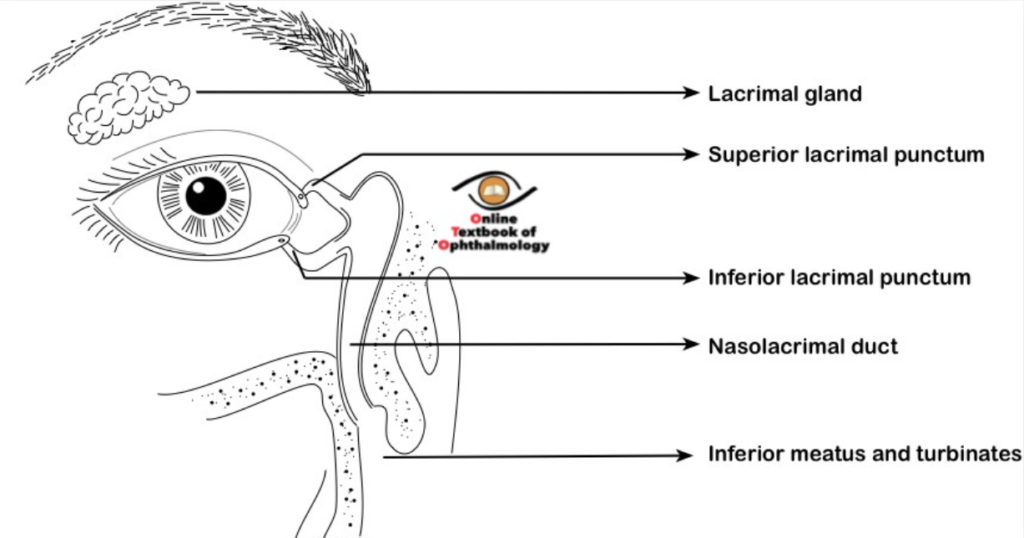
The Lacrimal apparatus is a specialized structure responsible for producing, distributing, and draining tears. It plays a vital role in maintaining eye moisture, protecting the ocular surface, and supporting clear vision.
A healthy tear system is essential for comfort, lubrication, and defense against infections and environmental irritants.
Featured Snippet: What is the lacrimal apparatus?
The lacrimal apparatus is a group of structures that produce and drain tears to keep the eye moist, clean, and protected.
Components of the Lacrimal Apparatus
The system consists of two main functional parts:
1. Secretory (tear-producing) system
Lacrimal gland
Produces the watery component of tears.
- Located in the upper outer region of the orbit
- Releases tears onto the eye surface
2. Drainage system
Responsible for removing excess tears.
Structures include:
- Lacrimal puncta (small openings in eyelids)
- Lacrimal canaliculi
- Lacrimal sac
- Nasolacrimal duct
Flow of tears
Tears move in a continuous cycle:
Lacrimal gland → Eye surface → Puncta → Canaliculi → Lacrimal sac → Nasolacrimal duct → Nasal cavity
Functions of the Lacrimal Apparatus
1. Lubrication
Tears keep the eye surface smooth and moist.
2. Protection
Tears help wash away:
- Dust
- Microorganisms
- Irritants
3. Antimicrobial defense
Tears contain protective substances such as enzymes.
4. Nutrient supply
They help maintain corneal health by providing essential nutrients.
Featured Snippet: Why are tears important for eye health?
Tears lubricate the eye, protect against infection, remove debris, and maintain clear vision by keeping the cornea healthy.
Types of Tears
Tears are not all the same.
1. Basal tears
- Constantly produced
- Maintain eye moisture
2. Reflex tears
- Produced in response to irritants
- Example: smoke or dust
3. Emotional tears
- Associated with emotional responses
- Composition may differ slightly
Clinical Conditions of the Lacrimal System
1. Dry Eye Syndrome
Reduced tear production or poor tear quality.
Related condition
Dry eye disease
Symptoms
- Burning sensation
- Grittiness
- Blurred vision
- Eye fatigue
2. Dacryocystitis
Infection of the lacrimal sac.
Related condition
Dacryocystitis
Symptoms
- Pain near inner corner of the eye
- Swelling
- Tearing
- Redness
3. Epiphora (Excessive tearing)
Occurs when tear drainage is blocked.
Causes
- Blocked nasolacrimal duct
- Inflammation
- Infection
Featured Snippet: What causes excessive tearing?
Excessive tearing (epiphora) is usually caused by blocked tear drainage or overproduction of tears due to irritation.
4. Nasolacrimal duct obstruction
Common in infants and sometimes adults.
Symptoms
- Constant tearing
- Eye discharge
- Recurrent infections
Diagnosis of Lacrimal Disorders
Common evaluations
- Tear film tests
- Dye disappearance test
- Imaging of drainage system
- Eye examination
Treatment Approaches
1. Artificial tears
Used for dry eye conditions.
2. Warm compresses
Help improve gland function and drainage.
3. Antibiotics
Used in cases of infection such as dacryocystitis.
4. Surgical procedures
May be required for blocked drainage pathways.
Maintaining Healthy Tear Function
Helpful habits
- Stay hydrated
- Avoid excessive screen time
- Protect eyes from wind and dust
- Maintain good eyelid hygiene
Related concept
Ocular surface
When to Seek Medical Attention
Consult a healthcare professional if you experience:
- Persistent dry eyes
- Excessive tearing
- Eye pain or swelling
- Recurrent eye infections
- Vision changes
Internal Linking Opportunities
This topic connects well with:
- Eye infections and immunity
- Dry eye syndrome and screen use
- Vision and ocular surface health
- Inflammatory conditions of the eye
- ENT connections (nasolacrimal drainage system)
Conclusion
The lacrimal apparatus is essential for maintaining eye comfort, protection, and clear vision through continuous tear production and drainage. When this system is disrupted, conditions such as dry eye disease, excessive tearing, or infections may develop.
Understanding its structure and function helps highlight the importance of eye hygiene, hydration, and early evaluation of persistent symptoms.
Important Disclaimer: This article is for educational purposes only and should not replace professional medical advice. Eye pain, persistent tearing, or vision changes should be evaluated by a qualified healthcare professional.