Meta Description: Learn about the major types of cancer, how they develop, their characteristics, and how early awareness can support better detection and outcomes.
Cancer is not a single disease but a broad term for many conditions in which abnormal cells grow uncontrollably and may invade nearby tissues or spread to other parts of the body.
Different types of cancer behave differently depending on the tissue of origin, growth rate, and biological characteristics.
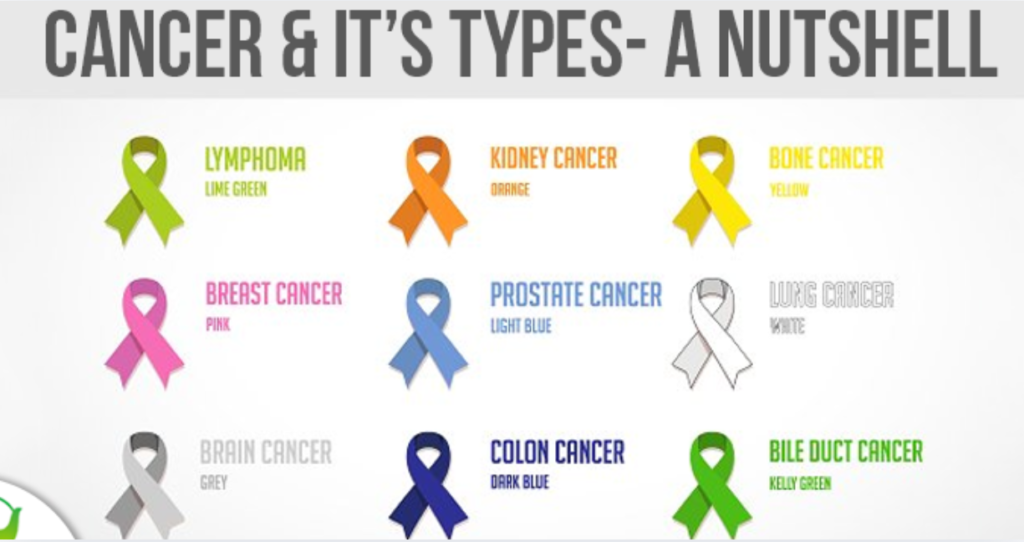
Featured Snippet: What are the main types of cancer?
The main types of cancer include carcinomas, sarcomas, leukemias, lymphomas, and brain/spinal cord cancers, each originating from different tissues in the body.
1. Carcinomas (Most Common Type)
Carcinomas begin in epithelial cells, which cover the skin and line organs.
Common examples
- Lung cancer
- Breast cancer
- Colon cancer
- Prostate cancer
- Skin cancer
Related conditions
Breast cancer
Lung cancer
Key characteristics
- Most frequently diagnosed group
- Often linked to environmental and lifestyle factors
- Can spread to other organs if untreated
2. Sarcomas
Sarcomas develop in connective tissues.
Origin tissues
- Bone
- Muscle
- Fat
- Cartilage
Examples
- Osteosarcoma (bone cancer)
- Soft tissue sarcoma
Featured Snippet: What is sarcoma cancer?
Sarcoma is a rare type of cancer that develops in bones or soft tissues such as muscles, fat, and cartilage.
3. Leukemias (Blood Cancers)
Leukemia affects blood-forming tissues, mainly bone marrow.
Characteristics
- Abnormal white blood cell production
- Affects blood and bone marrow rather than solid organs
- Can progress rapidly or slowly depending on type
Related condition
Leukemia
4. Lymphomas
Lymphomas originate in the lymphatic system, part of the immune system.
Types
- Hodgkin lymphoma
- Non-Hodgkin lymphoma
Related concept
Lymphoma
Key features
- Swollen lymph nodes
- Fatigue
- Immune system involvement
5. Central Nervous System Cancers
These cancers affect the brain and spinal cord.
Examples
- Brain tumors
- Spinal cord tumors
Related condition
Brain tumor
Key characteristics
- Can affect movement, speech, and cognition
- Symptoms vary widely depending on location
How Cancer Develops
Cancer begins when genetic mutations disrupt normal cell growth control.
Contributing factors
- Genetic predisposition
- Environmental exposures
- Lifestyle factors (smoking, diet, inactivity)
- Chronic inflammation
- Viral infections in some cases
Related concept
Cell mutation
Common Warning Signs of Cancer
General symptoms
- Unexplained weight loss
- Persistent fatigue
- Pain without clear cause
- Unusual lumps or swelling
- Changes in skin appearance
- Persistent cough or hoarseness
Featured Snippet: What are early signs of cancer?
Early signs of cancer may include unexplained weight loss, fatigue, persistent pain, abnormal lumps, and changes in normal body functions.
Cancer Diagnosis
Common diagnostic tools
- Imaging (CT, MRI, X-ray)
- Biopsy
- Blood tests
- Endoscopy
Purpose
To confirm the presence, type, and stage of cancer.
Treatment Approaches
Treatment depends on cancer type and stage.
Common options
- Surgery
- Chemotherapy
- Radiation therapy
- Immunotherapy
- Targeted therapy
Prevention and Risk Reduction
While not all cancers are preventable, risk may be reduced through:
Healthy lifestyle habits
- Avoiding tobacco
- Limiting alcohol
- Eating a balanced diet
- Regular physical activity
- Sun protection
Screening
Early detection programs can improve outcomes for several cancer types.
Internal Linking Opportunities
This topic connects well with:
- Immune system and chronic disease
- Cell biology and mutations
- Inflammation and cancer risk
- Nutrition and cancer prevention
- Early detection and screening
Conclusion
Cancer is a broad group of diseases characterized by uncontrolled cell growth and the potential to spread throughout the body. Understanding the major types—carcinomas, sarcomas, leukemias, lymphomas, and central nervous system cancers—helps improve awareness and early recognition.
While cancer is complex, early detection, lifestyle choices, and medical advances continue to improve outcomes and survival rates.
Important Disclaimer: This article is for educational purposes only and should not replace professional medical advice. Individuals with concerning symptoms should consult a qualified healthcare professional for evaluation and guidance.