Meta Description: Discover how dehydration can affect energy levels, physical health, mental performance, and overall well-being in young women, and learn practical strategies for staying hydrated.
Water is essential for nearly every function in the body. Even mild dehydration can affect physical performance, concentration, mood, and overall health. Young women may be particularly susceptible to dehydration due to busy lifestyles, exercise, hot weather, illness, or simply not drinking enough fluids throughout the day.
Recognizing the signs of dehydration early can help prevent complications and support long-term wellness.
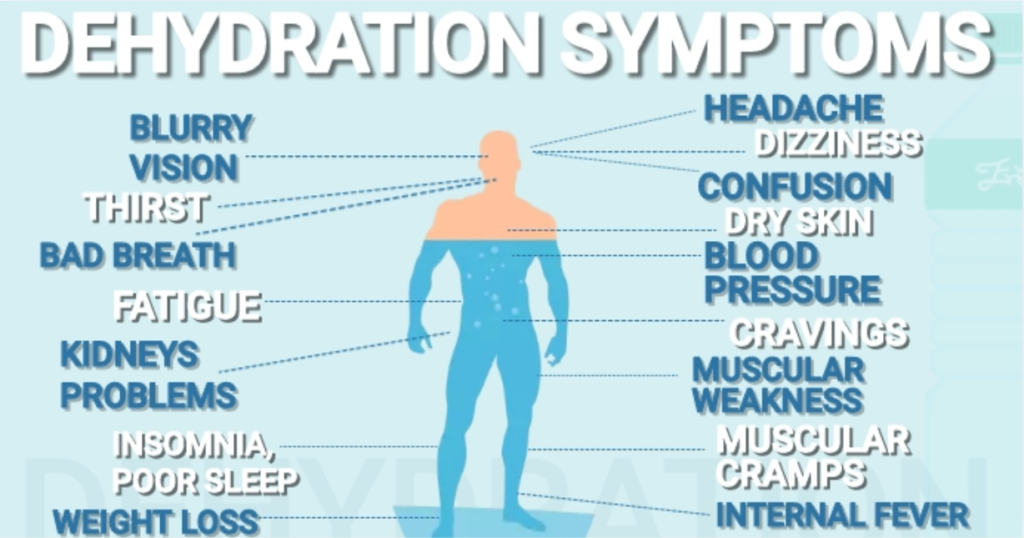
Featured Snippet: What are the effects of dehydration in young women?
Dehydration can cause fatigue, headaches, dizziness, reduced concentration, dry skin, mood changes, and decreased physical performance. Severe dehydration may require urgent medical attention.
Why Hydration Matters
Water plays a critical role in:
- Regulating body temperature
- Transporting nutrients
- Supporting kidney function
- Maintaining blood volume
- Lubricating joints
- Supporting brain function
Even small fluid deficits can affect how the body performs.
Common Causes of Dehydration
Young women may become dehydrated due to:
- Inadequate fluid intake
- Intense exercise
- Hot or humid weather
- Fever or illness
- Vomiting or diarrhea
- Excessive caffeine or alcohol intake
1. Fatigue and Low Energy
One of the earliest signs of dehydration is reduced energy.
Why it happens
When fluid levels drop, the body may have to work harder to maintain normal circulation and temperature regulation.
Possible symptoms
- Tiredness
- Lack of motivation
- Reduced endurance
2. Headaches and Dizziness
The brain is sensitive to changes in hydration status.
Common symptoms
- Mild to moderate headaches
- Lightheadedness
- Dizziness when standing
Featured Snippet: Can dehydration cause headaches?
Yes. Dehydration is a common trigger for headaches because fluid loss can affect blood flow and normal brain function.
3. Difficulty Concentrating
Hydration is important for cognitive performance.
Possible effects
- Brain fog
- Reduced focus
- Slower reaction times
- Difficulty concentrating
Related concept
Brain fog
4. Changes in Mood
Research suggests that dehydration may influence mood and mental well-being.
Possible symptoms
- Irritability
- Increased stress perception
- Reduced alertness
5. Dry Skin and Lips
Fluid balance contributes to skin health.
Common signs
- Dry lips
- Rough skin texture
- Reduced skin elasticity
6. Reduced Physical Performance
Athletic and everyday physical activities may become more challenging.
Effects may include
- Muscle fatigue
- Reduced stamina
- Increased perception of effort
7. Dark Urine and Reduced Urination
Urine color can provide useful hydration clues.
Signs of possible dehydration
- Dark yellow urine
- Strong-smelling urine
- Less frequent urination
8. Increased Risk of Heat-Related Illness
Proper hydration helps regulate body temperature.
Potential consequences
- Heat exhaustion
- Heat cramps
- Overheating during exercise
Severe Dehydration: Warning Signs
Seek medical attention if symptoms become severe.
Emergency warning signs
- Confusion
- Rapid heartbeat
- Fainting
- Extreme weakness
- Very little or no urination
Related condition
Severe dehydration
How Much Fluid Do You Need?
Hydration needs vary based on:
- Age
- Body size
- Activity level
- Climate
- Health status
There is no single amount that is perfect for everyone, but regular fluid intake throughout the day is important.
Practical Tips for Staying Hydrated
Carry a water bottle
Having water readily available can encourage regular drinking.
Drink before feeling thirsty
Thirst can be a late sign of dehydration.
Eat water-rich foods
Examples include:
- Watermelon
- Cucumbers
- Oranges
- Strawberries
Increase fluids during exercise
Physical activity increases fluid loss through sweat.
Monitor urine color
Pale yellow urine generally indicates adequate hydration.
Common Hydration Myths
Myth: Coffee always causes dehydration
Moderate caffeine intake generally contributes to overall fluid intake rather than causing significant dehydration.
Myth: You only need water when thirsty
Hydration should be maintained throughout the day, not only when thirst develops.
Myth: Sports drinks are always necessary
Most routine daily activities can be supported with water, while sports drinks may be useful during prolonged intense exercise.
Internal Linking Opportunities
This topic connects well with:
- Kidney health and hydration
- Brain function and concentration
- Skin health and moisture balance
- Exercise and performance
- Heat-related illness prevention
Conclusion
Dehydration can affect energy, concentration, mood, physical performance, and overall well-being. For young women, maintaining adequate hydration is a simple but powerful way to support daily health and long-term wellness.
By recognizing early signs and developing healthy hydration habits, it is possible to reduce the risk of dehydration-related symptoms and maintain optimal body function.
Important Disclaimer: This article is for educational purposes only and should not replace professional medical advice. Individuals experiencing severe dehydration symptoms or persistent health concerns should seek medical evaluation.