Meta Description: Explore the potential effects of daily energy drink consumption on liver health, what current research suggests, and how to make informed choices about caffeinated beverages.
Energy drinks are widely used to boost alertness, concentration, and physical performance. While occasional consumption is generally well tolerated by many healthy adults, concerns have emerged about the potential health effects of frequent or excessive intake—including possible impacts on the liver.
Current evidence suggests that the greatest risks are associated with high consumption, excessive intake of certain ingredients, or underlying health conditions rather than occasional use.
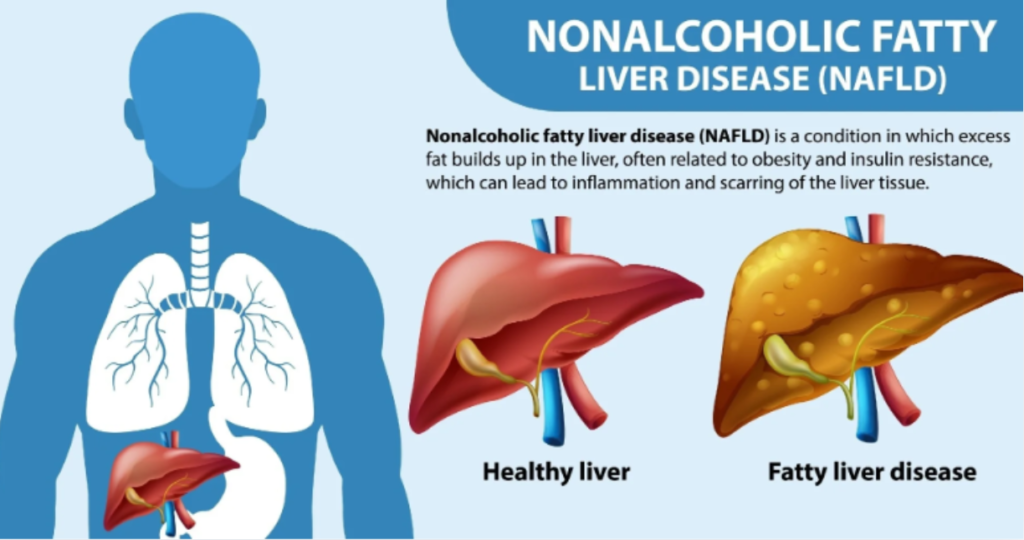
Featured Snippet: Can energy drinks affect the liver?
In rare cases, excessive or prolonged energy drink consumption has been associated with liver injury, particularly when large amounts are consumed regularly. However, moderate intake does not appear to cause liver damage in most healthy individuals.
What’s Inside an Energy Drink?
Energy drinks typically contain a combination of:
- Caffeine
- Sugar or artificial sweeteners
- B vitamins
- Taurine
- Herbal extracts such as guarana or ginseng
These ingredients can affect the body differently depending on the amount consumed and individual sensitivity.
The Liver’s Role
The Liver helps process many substances consumed in food and beverages.
Key functions include:
- Metabolizing nutrients
- Processing medications and supplements
- Producing important proteins
- Supporting energy regulation
Because the liver processes many ingredients found in energy drinks, researchers have examined whether excessive intake could contribute to liver stress or injury.
What Does the Research Suggest?
Most healthy adults tolerate moderate intake
For many people, moderate consumption does not appear to cause liver damage.
However, individual responses vary depending on:
- Overall health
- Existing liver disease
- Alcohol use
- Medication use
- Total caffeine intake
Rare reports of liver injury
Some case reports have described liver injury in individuals consuming large quantities of energy drinks over extended periods.
In several cases, excessive intake of certain nutrients—particularly high doses of niacin (vitamin B3)—was considered a possible contributing factor.
Featured Snippet: Which ingredient in energy drinks has been linked to liver concerns?
Excessive intake of niacin (vitamin B3), found in some energy drinks, has been implicated in rare cases of liver toxicity when consumed in very high amounts.
Potential Indirect Effects on Liver Health
Even when liver injury does not occur directly, daily energy drink consumption may contribute to other health concerns.
High sugar intake
Some energy drinks contain significant amounts of added sugar.
Excessive sugar consumption may contribute to:
- Weight gain
- Insulin resistance
- Fat accumulation in the liver
Related condition
Non-alcoholic fatty liver disease
Sleep disruption
High caffeine intake may interfere with sleep quality.
Poor sleep can affect:
- Metabolic health
- Hormonal regulation
- Overall well-being
Warning Signs That Should Not Be Ignored
Seek medical evaluation if symptoms develop, especially with heavy energy drink use.
Possible warning signs
- Yellowing of the skin or eyes
- Dark urine
- Persistent fatigue
- Nausea
- Abdominal pain
- Unexplained itching
Related condition
Liver injury
Who May Need Extra Caution?
Certain individuals may be more vulnerable to adverse effects.
Higher-risk groups
- People with existing liver disease
- Individuals taking multiple medications
- Those consuming large amounts of alcohol
- People sensitive to caffeine
- Adolescents and children
Healthier Strategies for Sustained Energy
Rather than relying heavily on energy drinks, consider supporting energy levels through:
Quality sleep
Adequate sleep remains one of the most effective ways to improve alertness and performance.
Balanced nutrition
Focus on:
- Protein-rich foods
- Whole grains
- Fruits and vegetables
- Adequate hydration
Regular physical activity
Exercise can support both energy and metabolic health.
Stress management
Reducing chronic stress may improve mental and physical energy levels.
Common Myths About Energy Drinks
Myth: More energy drinks equal more energy
Excessive caffeine may actually contribute to jitteriness, sleep disruption, and fatigue over time.
Myth: Vitamins make energy drinks harmless
Although vitamins are essential nutrients, excessive intake of certain vitamins can still cause adverse effects.
Myth: Energy drinks are the same as sports drinks
Sports drinks are primarily designed for hydration and electrolyte replacement, while energy drinks are formulated to increase alertness.
Internal Linking Opportunities
This topic connects well with:
- Liver health and metabolism
- Non-alcoholic fatty liver disease
- Caffeine and cardiovascular health
- Sleep and recovery
- Sugar consumption and metabolic wellness
Conclusion
Current evidence does not suggest that moderate energy drink consumption causes liver damage in most healthy adults. However, excessive or prolonged intake—especially when combined with other risk factors—has been associated with rare cases of liver injury and may contribute indirectly to metabolic health concerns.
Maintaining a balanced lifestyle, monitoring caffeine intake, and being aware of warning signs can help support both liver health and overall well-being.
Important Disclaimer: This article is for educational purposes only and should not replace professional medical advice. Anyone experiencing symptoms suggestive of liver disease or concerns about energy drink consumption should consult a qualified healthcare professional.