Meta Description: Learn about iron deficiency, its common signs and symptoms, causes, health effects, and strategies to maintain healthy iron levels.
Iron is an essential mineral that plays a critical role in oxygen transport, energy production, immune function, and overall health. When the body does not have enough iron, it can lead to Iron deficiency, one of the most common nutritional deficiencies worldwide.
If left untreated, iron deficiency may progress to Iron deficiency anemia, affecting multiple body systems and reducing quality of life.
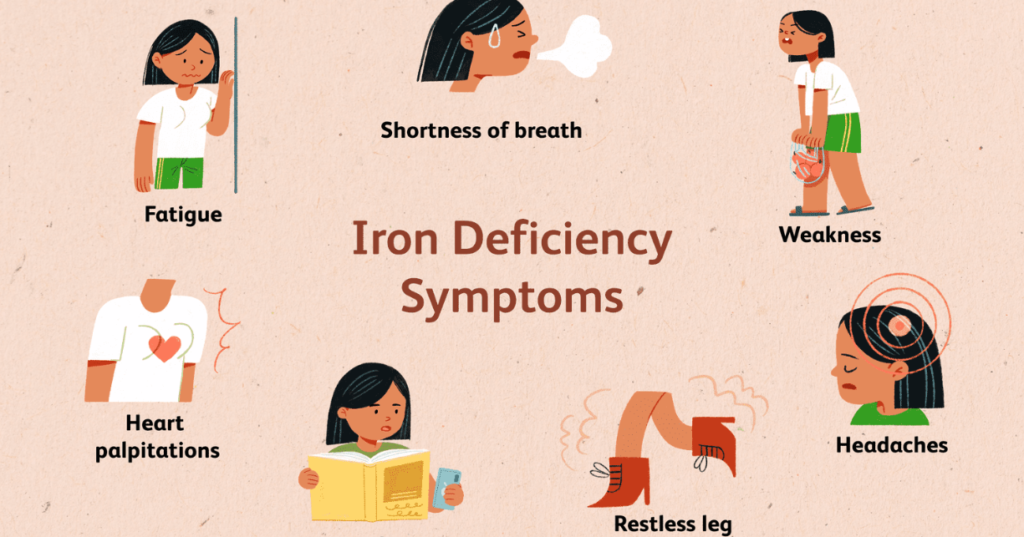
Featured Snippet: What are the signs of iron deficiency?
Common signs of iron deficiency include fatigue, weakness, pale skin, dizziness, headaches, shortness of breath, brittle nails, cold hands and feet, and difficulty concentrating.
Why Is Iron Important?
Iron is needed to produce Hemoglobin, which transports oxygen from the lungs to tissues and organs.
Key functions of iron
- Oxygen transport
- Energy production
- Cognitive function
- Immune system support
- Muscle function
Without adequate iron, cells receive less oxygen, leading to a variety of symptoms.
Common Signs and Symptoms of Iron Deficiency
1. Persistent Fatigue
Fatigue is one of the earliest and most common symptoms.
Why it happens
Reduced oxygen delivery limits the body’s ability to produce energy efficiently.
2. Weakness
Individuals may notice:
- Reduced stamina
- Difficulty exercising
- Increased physical exhaustion
3. Pale Skin
Lower hemoglobin levels can make the skin and mucous membranes appear paler than usual.
Common areas
- Face
- Inner eyelids
- Nail beds
4. Shortness of Breath
Simple activities may feel more demanding.
Featured Snippet: Why does iron deficiency cause shortness of breath?
Iron deficiency reduces hemoglobin levels, limiting oxygen delivery to tissues and causing the body to work harder during physical activity.
5. Dizziness and Headaches
The brain is highly sensitive to changes in oxygen supply.
Possible symptoms
- Lightheadedness
- Frequent headaches
- Difficulty concentrating
6. Cold Hands and Feet
Poor oxygen delivery may contribute to feeling unusually cold.
7. Brittle Nails and Hair Changes
Iron deficiency can affect rapidly growing tissues.
Possible signs
- Brittle nails
- Hair thinning
- Increased hair shedding
Related sign
Koilonychia
8. Brain Fog and Poor Concentration
Iron is important for normal cognitive function.
Potential effects
- Difficulty focusing
- Reduced productivity
- Memory problems
Common Causes of Iron Deficiency
1. Inadequate Dietary Intake
A diet low in iron-rich foods may increase risk.
Iron-rich foods include
- Lean red meat
- Poultry
- Fish
- Lentils
- Beans
- Spinach
2. Increased Iron Requirements
Certain life stages require more iron.
Examples
- Pregnancy
- Adolescence
- Rapid growth periods
Related condition
Pregnancy
3. Blood Loss
Chronic blood loss is a major cause of iron deficiency.
Sources may include
- Heavy menstrual bleeding
- Gastrointestinal bleeding
- Surgery or trauma
4. Poor Iron Absorption
Some digestive conditions can impair absorption.
Examples
- Celiac disease
- Inflammatory bowel disease
Related condition
Celiac disease
Health Impact of Untreated Iron Deficiency
When iron levels remain low, symptoms may worsen over time.
Potential consequences
- Reduced physical performance
- Impaired concentration
- Increased fatigue
- Reduced quality of life
- Progression to anemia
How Iron Deficiency Is Diagnosed
Healthcare professionals may use:
Blood tests
- Hemoglobin
- Ferritin
- Serum iron
- Total iron-binding capacity (TIBC)
Featured Snippet: What test is best for iron deficiency?
Ferritin testing is commonly used to assess the body’s iron stores and is often combined with other blood tests to diagnose iron deficiency.
Supporting Healthy Iron Levels
Eat Iron-Rich Foods
Animal sources (heme iron)
- Beef
- Poultry
- Fish
Plant sources (non-heme iron)
- Lentils
- Beans
- Tofu
- Leafy greens
Combine Iron With Vitamin C
Vitamin C improves iron absorption.
Examples
- Oranges
- Strawberries
- Bell peppers
- Tomatoes
Address Underlying Causes
Identifying and treating the source of iron loss is essential for long-term improvement.
When to Seek Medical Advice
Consult a healthcare professional if you experience:
- Persistent fatigue
- Pale skin
- Frequent dizziness
- Unexplained weakness
- Shortness of breath
Common Myths About Iron Deficiency
Myth: Only women develop iron deficiency
Iron deficiency can affect people of all ages and genders.
Myth: Fatigue always means low iron
Many conditions can cause fatigue, making proper testing important.
Myth: More iron is always better
Excessive iron intake can be harmful and should only be used when medically appropriate.
Internal Linking Opportunities
This topic connects well with:
- Iron deficiency anemia
- Blood biomarkers and ferritin testing
- Nutrition and mineral deficiencies
- Fatigue and energy metabolism
- Women’s health and pregnancy
Conclusion
Iron deficiency is a common but often overlooked condition that can affect energy, cognitive function, physical performance, and overall health. Recognizing the early signs and understanding the underlying causes are important steps toward timely diagnosis and effective treatment.
With proper nutrition, medical evaluation, and management of contributing factors, healthy iron levels can often be restored and maintained.
Important Disclaimer: This article is for educational purposes only and should not replace professional medical advice. Individuals experiencing symptoms of iron deficiency should consult a qualified healthcare professional for evaluation and appropriate treatment.