Meta Description: Learn what different types and locations of acne may indicate about hormones, stress, diet, and overall health, and when breakouts may signal underlying imbalance.
Acne is often seen as a skin-only problem, but it can also reflect deeper internal processes. If acne could “speak,” it might point toward hormonal fluctuations, inflammation, stress responses, or lifestyle factors affecting the body.
Understanding acne patterns does not mean every breakout signals disease—but it can help identify triggers that influence skin health.
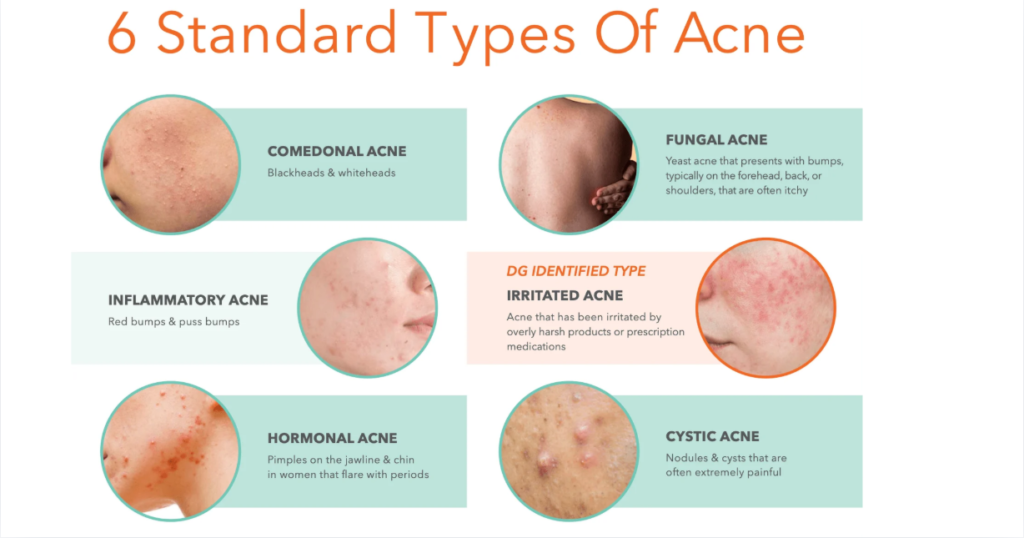
Featured Snippet: What does acne say about your health?
Acne may reflect hormonal changes, stress levels, diet, inflammation, or skin microbiome imbalance. In some cases, persistent or severe acne may be linked to underlying hormonal or metabolic conditions.
How Acne Develops
Acne occurs when:
- Sebaceous (oil) glands produce excess oil
- Hair follicles become clogged
- Bacteria grow inside pores
- The immune system triggers inflammation
Related concept
Sebum production
What Different Acne Locations May Suggest
1. Forehead acne
Possible contributors
- Stress
- Poor sleep
- Excess oil production
- Diet high in processed foods
Related concept
Stress response
2. Cheek acne
Possible contributors
- Touching the face frequently
- Phone or pillow bacteria
- Environmental pollution
- Respiratory sensitivity in some cases
3. Chin and jawline acne
This pattern is often linked to hormonal activity.
Possible causes
- Menstrual cycle changes
- Polycystic ovary-related hormone imbalance
- Androgen fluctuations
Related condition
Polycystic ovary syndrome
Hormonal Acne: The Internal Driver
Hormones strongly influence oil production and inflammation.
Key hormones involved
- Androgens (increase oil production)
- Estrogen (balances skin activity)
- Cortisol (stress hormone)
Featured Snippet: Why does hormonal acne appear on the jawline?
Jawline acne is often linked to hormonal fluctuations, especially androgens, which increase oil production and clog pores in lower-face regions.
Gut–Skin Connection
Skin health can also reflect internal digestive balance.
Related concept
Gut microbiome
Possible link
- Poor gut balance may contribute to systemic inflammation
- Inflammation can worsen skin sensitivity and breakouts
Diet and Acne
Some dietary patterns may influence acne severity in susceptible individuals.
Possible triggers
- High-glycemic foods (sugary foods, refined carbs)
- Excess dairy (in some individuals)
- Ultra-processed foods
Stress and Acne
Stress does not directly “cause” acne but can worsen it.
How stress affects skin
- Increases cortisol
- Stimulates oil production
- Slows skin healing
- Promotes inflammation
Types of Acne Lesions
1. Whiteheads
Closed clogged pores
2. Blackheads
Open clogged pores with oxidized oil
3. Papules
Small inflamed bumps
4. Pustules
Pimples with pus
5. Cystic acne
Deep, painful lesions often linked to hormonal factors
Related condition
Acne vulgaris
When Acne May Signal a Deeper Issue
Seek medical advice if acne is:
- Sudden and severe
- Painful and cystic
- Associated with irregular menstrual cycles
- Resistant to standard treatments
- Accompanied by other hormonal symptoms (hair changes, weight changes)
Skincare and Lifestyle Support
Gentle skincare
- Non-comedogenic products
- Gentle cleansing twice daily
- Avoid over-exfoliation
Lifestyle habits
- Balanced diet
- Adequate sleep
- Stress management
- Regular hydration
Common Myths About Acne
Myth: Acne is only caused by poor hygiene
Acne is primarily hormonal and inflammatory, not simply due to dirty skin.
Myth: Only teenagers get acne
Adult acne is common, especially in women due to hormonal fluctuations.
Myth: Sun exposure clears acne
Sun may temporarily dry lesions but can worsen long-term skin damage and inflammation.
Internal Linking Opportunities
This topic connects well with:
- Hormonal imbalance
- Stress and inflammation
- Gut–skin axis
- Skin microbiome health
- Endocrine disorders
Conclusion
Acne is more than a surface-level skin condition—it can reflect hormonal changes, stress levels, dietary influences, and internal inflammation. While not every breakout indicates a health problem, patterns of acne can provide useful clues about what the body may be experiencing.
Understanding these signals helps support better skincare decisions and encourages a more holistic approach to skin and overall health.
Important Disclaimer: This article is for educational purposes only and should not replace professional medical advice. Persistent, severe, or painful acne should be evaluated by a qualified healthcare professional.