Meta Description: Learn the early eye-related signs of vitamin A deficiency, including night blindness, dry eyes, and other vision changes that may indicate inadequate vitamin A levels.
Vitamin A plays a critical role in eye health. It is required for the production of visual pigments in the retina and helps maintain the surface of the eye. When vitamin A levels become inadequate, the eyes are often among the first organs to show symptoms.
Recognizing these early warning signs can help prevent serious complications and support timely medical evaluation.
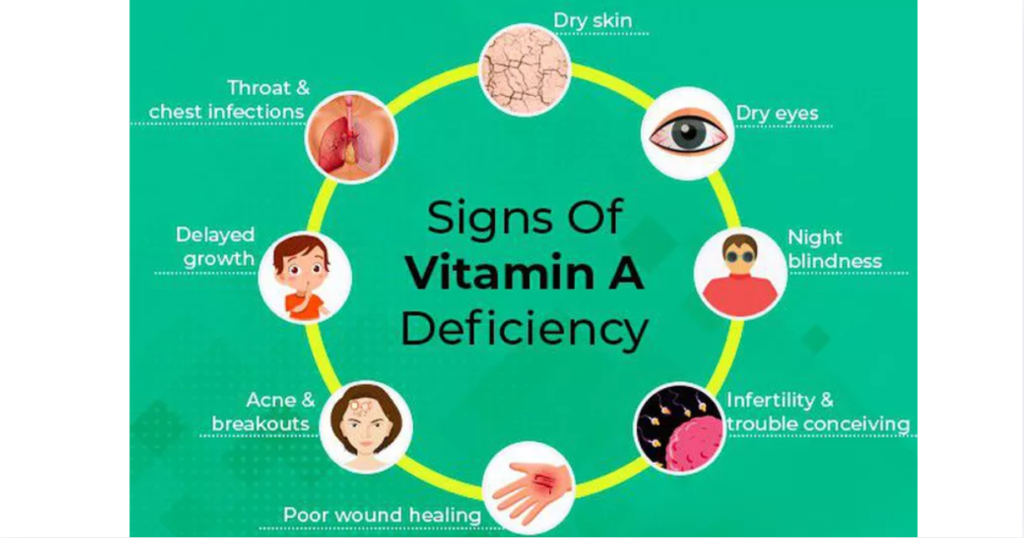
Featured Snippet: What are the first signs of vitamin A deficiency in the eyes?
The earliest ocular signs of vitamin A deficiency often include night blindness, difficulty adapting to darkness, dry eyes, and reduced tear production.
Why Vitamin A Is Essential for Vision
Vitamin A supports:
- Normal retinal function
- Night vision
- Tear production
- Corneal health
- Protection of the eye’s surface tissues
Related structure
Retina
1. Night Blindness (Nyctalopia)
Early warning sign
Individuals may notice difficulty seeing in:
- Dimly lit rooms
- At dusk
- While driving at night
Related condition
Night blindness
2. Slow Adaptation to Darkness
What happens?
The eyes take longer than normal to adjust when moving from bright environments into darker settings.
3. Dry Eyes (Xerophthalmia)
Common symptoms
- Eye dryness
- Irritation
- Burning sensation
- Foreign-body sensation
Related condition
Xerophthalmia
4. Reduced Tear Production
Insufficient vitamin A may impair the health of tear-producing tissues.
Possible signs
- Gritty feeling
- Eye discomfort
- Increased sensitivity
5. Bitot’s Spots
What are they?
Foamy, whitish patches that appear on the conjunctiva (the white part of the eye).
Clinical significance
Bitot’s spots are a classic sign of vitamin A deficiency.
Related structure
Conjunctiva
6. Corneal Dryness
The cornea may lose its normal moisture and transparency.
Symptoms
- Blurred vision
- Eye discomfort
- Increased risk of injury
Related structure
Cornea
7. Blurred Vision
As ocular tissues become affected, visual clarity may decline.
Potential causes
- Dry eye surface
- Corneal changes
- Retinal dysfunction
8. Increased Light Sensitivity
Some individuals develop:
- Eye discomfort in bright light
- Excessive squinting
- Visual fatigue
9. Corneal Ulceration (Advanced Deficiency)
In severe cases, damage to the cornea may occur.
Possible symptoms
- Severe eye pain
- Vision loss
- Redness
10. Progressive Vision Loss
Untreated severe deficiency can eventually threaten vision.
Medical importance
Early diagnosis and treatment are critical to prevent permanent eye damage.
Who Is at Higher Risk?
Risk factors include:
- Malnutrition
- Fat malabsorption disorders
- Restrictive diets
- Chronic gastrointestinal diseases
Related condition
Malnutrition
Food Sources of Vitamin A
Animal sources
- Liver
- Eggs
- Dairy products
- Fish oils
Plant sources (provitamin A carotenoids)
- Carrots
- Sweet potatoes
- Pumpkin
- Spinach
- Kale
Featured Snippet: Can vitamin A deficiency cause blindness?
Yes. Severe and prolonged vitamin A deficiency can lead to xerophthalmia, corneal damage, and potentially irreversible vision loss if left untreated.
When to Seek Medical Evaluation
Consult a healthcare professional if you experience:
- Difficulty seeing at night
- Persistent dry eyes
- Unexplained vision changes
- White patches on the eye surface
- Increasing light sensitivity
Common Myths About Vitamin A
Myth: More vitamin A is always better
Excessive vitamin A intake can be harmful and may cause toxicity.
Myth: Vision problems only occur in severe deficiency
Night blindness and dry eyes can appear much earlier.
Myth: Carrots alone prevent all eye diseases
Eye health depends on multiple nutrients and overall health factors.
Internal Linking Opportunities
This topic connects well with:
- Eye health and nutrition
- Vitamin deficiencies
- Night blindness
- Dry eye syndrome
- Preventive nutrition
Conclusion
Vitamin A is essential for maintaining healthy vision and protecting the surface of the eyes. Early symptoms such as night blindness, dry eyes, and difficulty adapting to darkness can provide important clues that vitamin A levels may be inadequate.
Recognizing these signs early and ensuring adequate nutrition can help protect vision and prevent serious complications.
Important Disclaimer: This article is for educational purposes only and should not replace professional medical advice. Anyone experiencing persistent vision changes or eye symptoms should seek evaluation from a qualified healthcare professional.