Introduction
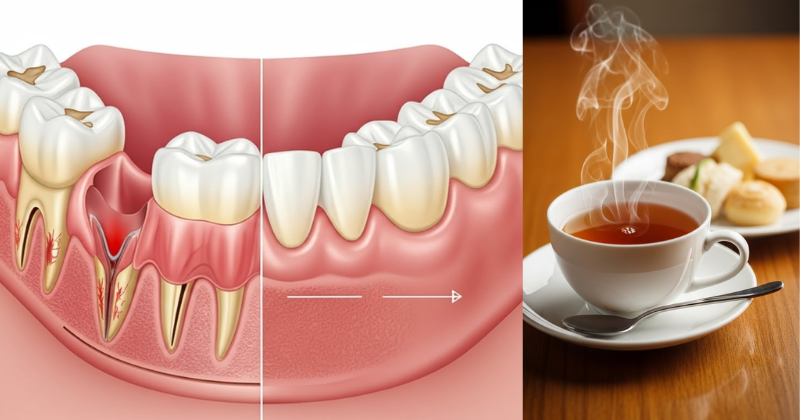
Receding gums and sensitive teeth can quietly take over your daily life—making hot coffee painful, cold water shocking, and smiling feel uncertain. If you’ve been searching for ways to grow back receding gums and heal sensitive teeth, you’re not alone. Millions of people experience gum recession due to brushing habits, inflammation, stress, or lifestyle factors, and many feel powerless once it starts.
Here’s the encouraging truth: while severely receded gums cannot fully regenerate on their own, you can stop progression, strengthen gum tissue, dramatically reduce sensitivity, and in some cases restore healthier gum attachment with the right approach. This article walks you through science-backed, achievable steps that help your gums recover and your teeth feel comfortable again—without overwhelm or unrealistic promises.
You’ll discover how gum recession really works, what you can do at home, when professional care matters, and how to build habits that protect your smile long-term.
Understanding Receding Gums and Tooth Sensitivity
Before you can grow back receding gums and heal sensitive teeth, it helps to understand what’s happening beneath the surface.
What Causes Gum Recession?
Gum recession occurs when gum tissue pulls away from the tooth, exposing the root. Common causes include:
- Aggressive brushing or hard-bristle toothbrushes
- Gum inflammation (gingivitis or periodontitis)
- Teeth grinding or clenching
- Hormonal changes
- Smoking or vaping
- Poor oral hygiene habits
Once the root is exposed, the tooth loses its natural enamel protection, which leads directly to sensitivity.
Why Sensitive Teeth Often Follow
Tooth roots contain microscopic tubules connected to nerve endings. When gums recede, hot, cold, sweet, or acidic foods can trigger sharp discomfort. Healing sensitivity requires both protecting exposed roots and calming inflammation in the gums.
Can Receding Gums Actually Grow Back?
This is one of the most searched questions—and it deserves a clear, honest answer.
The Scientific Reality
- Gum tissue does not naturally regenerate once lost
- However, early-stage recession can stabilize
- Inflammation reduction allows gums to reattach more securely
- Professional treatments can restore coverage in some cases
The goal is not false regeneration—it’s restoration of gum health, thickness, and function, which often looks and feels like regrowth.
When Improvement Is Possible
You may see visible improvement if recession is caused by:
- Inflammation rather than bone loss
- Improper brushing technique
- Temporary hormonal or stress-related factors
Step-by-Step Methods to Strengthen Gums and Reduce Sensitivity
This section provides actionable steps you can start today.
Switch to Gentle, Gum-Friendly Brushing
Your brushing technique plays a major role.
Do this instead:
- Use a soft or extra-soft toothbrush
- Brush at a 45-degree angle toward the gumline
- Use light pressure—think massage, not scrubbing
- Brush for two minutes, twice daily
Electric toothbrushes with pressure sensors are especially helpful.
Use Toothpaste Designed for Sensitivity and Gums
Look for ingredients like:
- Potassium nitrate
- Arginine
- Stannous fluoride
These compounds block nerve signals and strengthen exposed root surfaces.
Add Daily Flossing or Interdental Cleaning
Removing plaque between teeth reduces inflammation—the number one driver of gum recession progression.
Natural and Supportive Strategies That Help Gums Heal
While natural methods won’t regrow gums on their own, they can significantly improve tissue health.
Saltwater Rinses for Inflammation Control
A simple saltwater rinse:
- Reduces harmful bacteria
- Promotes circulation in gum tissue
- Soothes irritation
Use warm water and rinse gently once daily.
Oil Pulling: Supportive, Not Curative
Oil pulling with coconut oil may:
- Reduce oral bacteria
- Support gum comfort
It should complement—not replace—brushing and flossing.
Nutrition That Supports Gum Repair
Healthy gums depend on nutrients like:
- Vitamin C (collagen formation)
- Vitamin D (immune support)
- Omega-3 fatty acids (anti-inflammatory effects)
Leafy greens, citrus, fatty fish, and nuts all support gum resilience.
Professional Treatments That Can Restore Gum Coverage
If recession is advanced, professional care can make a significant difference.
Scaling and Root Planing
This deep cleaning removes plaque below the gumline, allowing tissue to heal and tighten around teeth.
Gum Grafting and Regenerative Procedures
For advanced cases, dentists may recommend:
- Connective tissue grafts
- Pinhole surgical technique
- Regenerative membranes
These procedures can restore gum coverage and reduce sensitivity dramatically.
Common Mistakes That Prevent Healing
Even well-meaning habits can slow progress.
Overbrushing and Whitening Products
Excessive brushing and abrasive whitening pastes worsen recession. Choose low-abrasion formulas and limit whitening frequency.
Ignoring Teeth Grinding
Nighttime grinding puts enormous stress on gums. A custom night guard can protect both teeth and gum tissue.
How Long Does It Take to See Results?
This depends on consistency and severity.
- Reduced sensitivity: 1–3 weeks
- Healthier gums: 4–8 weeks
- Stabilized recession: 3–6 months
Progress is gradual but meaningful when habits are sustained.
Maximizing Results for Long-Term Gum Health
To maintain results:
- Schedule regular dental cleanings
- Manage stress (it affects inflammation)
- Avoid tobacco products
- Stay consistent with gentle oral care
You’re not just treating symptoms—you’re creating conditions where your gums can thrive.
Conclusion
While receding gums cannot magically regrow overnight, you absolutely can stop further damage, heal sensitive teeth, and restore gum strength with the right approach. By improving daily habits, calming inflammation, nourishing your body, and seeking professional care when needed, you take back control of your oral health.
Your gums are living tissue—and when treated with care, they respond. Start small, stay consistent, and remember: meaningful change doesn’t come from perfection, but from persistence.
Important Disclaimer
This article is for informational purposes only and should not replace professional advice. For health-related topics, consult healthcare providers. Individual results may vary, and personal circumstances should always be considered when implementing any suggestions.