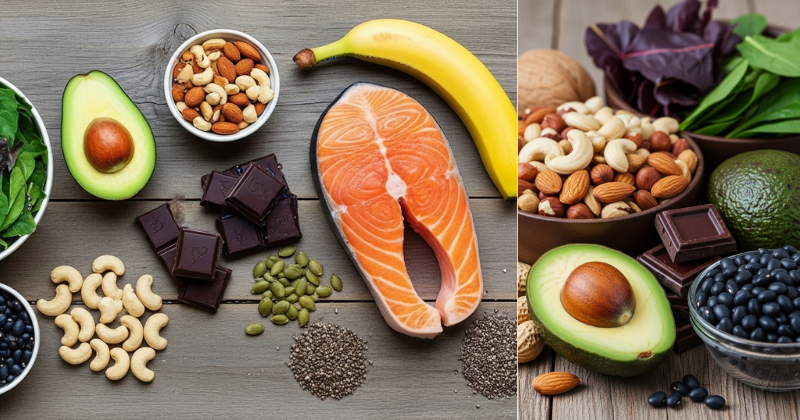
Discover the best foods high in magnesium to boost your energy and health. Learn how simple dietary changes can transform your wellness and vitality today!
Important Disclaimer: This article is for informational purposes only and should not replace professional advice. For health-related topics, consult healthcare providers. For financial or legal matters, seek qualified professional guidance. For safety procedures, verify current best practices and local regulations. Individual results may vary, and personal circumstances should always be considered when implementing any suggestions.
Have you ever felt inexplicably tired, dealt with stubborn muscle cramps, or struggled to get a good night’s sleep? You aren’t alone. Many people navigate their daily lives feeling just a bit “off,” without realizing that the solution might be sitting right on their dinner plate. Magnesium is a powerhouse mineral involved in over 300 biochemical reactions in your body, yet a significant portion of the population doesn’t get enough of it.
By focusing on foods high in magnesium, you can unlock a new level of physical and mental resilience. Imagine waking up feeling truly refreshed and having the steady energy to crush your goals. In this guide, we will explore the most delicious and effective ways to fuel your body with this essential nutrient. Whether you are a kitchen pro or a total beginner, you can achieve a balanced diet that supports your heart, bones, and mood. Let’s embark on this journey to transform your health through the power of real food!
Foundation: Why Magnesium Matters for You
To build confidence in your nutritional choices, it helps to understand what this mineral actually does. Magnesium is often called the “master mineral” because it is essential for everything from DNA repair to muscle contraction. It acts as a natural relaxant for your nervous system, helping you manage the stresses of modern life.
Many beginners hesitate to change their diet because they worry it will be too restrictive or complicated. The good news? Some of the most nutrient-dense sources are already favorites in many households. When you prioritize foods high in magnesium, you aren’t just checking a box; you are providing your cells with the tools they need to thrive.
H3: The Key Benefits of Magnesium
- Energy Production: It helps convert the food you eat into cellular energy.
- Bone Health: Magnesium is just as important as calcium for maintaining strong, healthy bones.
- Sleep Quality: By regulating neurotransmitters, it helps prepare your brain and body for rest.
H3: Addressing Common Hesitations
You might wonder, “Can’t I just take a pill?” While supplements have their place, getting nutrients from whole foods provides a “synergy” of vitamins and fiber that your body absorbs more effectively. Plus, adding these foods to your routine is a cost-effective way to support a diet for fatty liver disease or general metabolic health.
Step-by-Step: Incorporating Magnesium Into Your Meals
Transforming your diet doesn’t have to happen all at once. By following this manageable process, you can systematically increase your intake without feeling overwhelmed.
Step 1: Start with Leafy Greens
Dark, leafy greens are arguably the best sources of magnesium because the mineral sits at the center of the chlorophyll molecule.
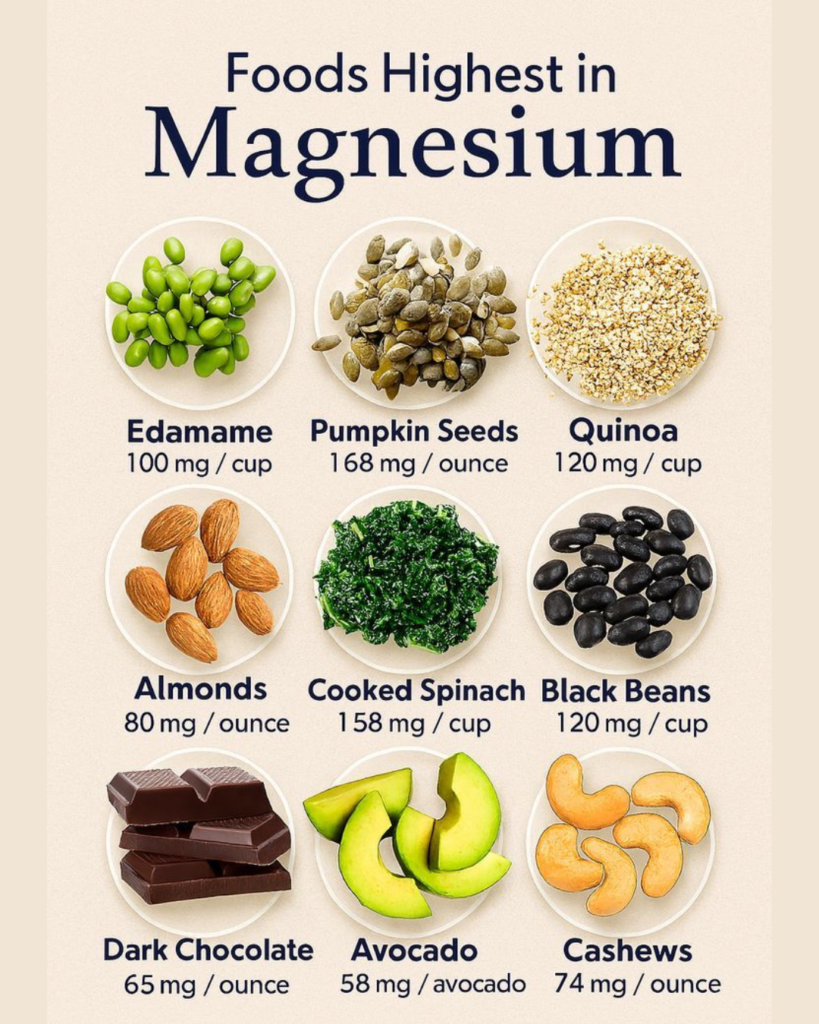
- Spinach: One cup of cooked spinach provides nearly 40% of your daily value.
- Swiss Chard: A colorful and delicious alternative to keep your palate interested.
- Kale: While lower than spinach, it still packs a significant nutritional punch.
Step 2: Leverage Nuts and Seeds
Nuts and seeds are the ultimate “grab-and-go” magnesium boosters. They are incredibly shelf-stable and easy to add to any meal.
- Pumpkin Seeds: Just an ounce contains 156mg of magnesium!
- Almonds and Cashews: Perfect for a mid-afternoon snack to beat the 3 PM slump.
- Flax and Chia Seeds: Easily hidden in smoothies or oatmeal.
Step 3: Don’t Forget Legumes and Whole Grains
If you want to feel full and energized, look to legumes. Beans, lentils, and chickpeas are budget-friendly staples. Combine these with whole grains like quinoa or buckwheat, which contain significantly more magnesium than processed white rice or flour.
Advanced Strategies: Maximizing Absorption and Variety
Once you’ve mastered the basics, you can use expert-level insights to ensure your body is actually using the magnesium you consume. Not all magnesium is created equal, and your lifestyle choices can impact how well you absorb it.
The Art of Food Pairing
Did you know that Vitamin D helps your body absorb magnesium? Pairing a magnesium-rich spinach salad with Vitamin D-rich salmon is a “pro tip” for maximum efficiency. Furthermore, avoiding excessive caffeine and soda—which can cause the body to flush out minerals—is a great way to protect your levels.
H3: Creative Kitchen Hacks
- The Chocolate Secret: High-quality dark chocolate (at least 70% cocoa) is a fantastic source of magnesium. It’s the most delicious way to treat yourself while staying healthy!
- Soaking Grains: To make the magnesium in grains and legumes more bioavailable, try soaking them overnight. This reduces phytic acid, which can sometimes block mineral absorption.
- Magnesium-Rich Smoothies: Blend banana, almond butter, spinach, and cacao powder for a “magnesium bomb” that tastes like a milkshake.
Troubleshooting: Overcoming Dietary Obstacles
Even with a clear plan, life can throw curveballs. Here is how to handle frequent challenges when trying to eat more foods high in magnesium.
- “I don’t like the taste of greens.” No problem! Try blending them into a fruit smoothie or sautéing them with garlic and lemon to mask the bitterness. You can also get plenty of magnesium from avocados and bananas.
- “I’m always eating on the run.” Preparation is key. Keep a small container of pumpkin seeds in your car or bag. They are one of the most concentrated sources and require zero prep time.
- “My digestion is sensitive to beans.” If legumes cause bloating, start with very small portions—like two tablespoons—and gradually increase. Rinsing canned beans thoroughly also helps remove gas-causing sugars.
Preventive Measures
To ensure you stay on track, consider keeping a “Magnesium Checklist” on your fridge. Mark off when you’ve had your greens, seeds, or legumes for the day. This visual reminder keeps you motivated and turns healthy eating into a fun game of success!
Maximizing Results: The Holistic Wellness Connection
To build upon your dietary success, look at how magnesium interacts with your overall lifestyle. It is a piece of a larger puzzle that includes hydration, movement, and stress management.
Complementary Strategies
Magnesium isn’t just absorbed through the gut. Using Epsom salt baths (magnesium sulfate) is a relaxing way to soothe sore muscles after a workout. While you’re focusing on internal health, you might also look into external self-care, such as using everyday items that act as natural antibiotics for skin health or following a Healthy Home Guide to reduce environmental toxins.
Long-Term Maintenance
As you age, your body’s ability to absorb minerals can decrease. Maintaining a diverse diet is the best long-term strategy. Don’t be afraid to experiment with international cuisines! Many Mediterranean and Middle Eastern dishes rely heavily on chickpeas, lentils, and nuts, making them naturally rich in magnesium.
Conclusion: Take Charge of Your Vitality
You have now discovered the incredible world of foods high in magnesium and how they can transform your daily experience. From the energy-boosting power of spinach to the heart-healthy benefits of pumpkin seeds, the tools for a vibrant life are within your reach.
Remember, you are capable of making these changes! You don’t need to be perfect; you just need to be consistent. Start by adding one magnesium-rich food to your next meal. Whether it’s a sprinkle of chia seeds on your yogurt or a side of sautéed kale, every bite brings you closer to the energized, resilient version of yourself you deserve to be.