Explore how common “diet-friendly” foods may impact health, metabolism, and weight loss, revealing the science behind smart choices versus hidden pitfalls.
In the quest for weight management and better health, diet foods are often marketed as the ultimate solution. Low-fat snacks, sugar-free treats, and protein bars promise convenience and results—but do they deliver? Emerging research suggests that some popular diet foods may have hidden drawbacks, from metabolic disruption to nutrient deficiencies. Understanding the science behind these foods is crucial for making informed choices that truly support your wellness goals.
This article delves into the complex landscape of diet foods, offering evidence-based insights to help you discern which choices are genuinely beneficial and which may quietly undermine your progress.
Section 1: What Defines a “Diet Food”?
H3: The Marketing vs. Reality
Many products labeled “low-fat,” “sugar-free,” or “light” imply health benefits, but labeling does not always equal nutrition. For example, removing fat often increases sugar or additives to maintain flavor.
H3: Nutrient Density Considerations
Diet foods can be calorie-conscious but low in essential nutrients. Replacing whole foods with highly processed alternatives may lead to deficiencies in vitamins, minerals, and fiber.
H3: Regulatory Standards
While FDA and other authorities regulate claims, terms like “healthy” or “natural” remain loosely defined, creating potential for misleading impressions.
Section 2: How Do Artificial Sweeteners Affect Metabolism?
H3: Sugar-Free Doesn’t Always Mean Neutral
Artificial sweeteners, such as sucralose or aspartame, reduce calorie intake but may influence gut microbiota and glucose metabolism.
H3: Appetite and Satiety
Some studies suggest sweeteners may increase cravings for high-calorie foods, potentially offsetting caloric reduction.
H3: Long-Term Cognitive and Metabolic Effects
Research is ongoing regarding associations between artificial sweetener intake and insulin sensitivity, highlighting the need for moderation.
Section 3: Which Low-Fat Foods Could Backfire?
H3: Compensatory Eating
Low-fat packaged foods may lead to overconsumption, as people perceive them as “safe” to eat in larger quantities.
H3: Hidden Sugars and Additives
Reducing fat often requires added sugar, refined starches, or stabilizers, which may contribute to inflammation, metabolic stress, or energy spikes.
H3: Implications for Heart Health
While reducing saturated fat is generally beneficial, replacing it with refined carbohydrates may not improve cardiovascular outcomes and can hinder weight management.
Section 4: What About Protein Bars and Shakes?
H3: Convenience vs. Quality
Protein bars are marketed as meal replacements or fitness boosters, but ingredient quality varies widely. Some contain high sugar content, artificial flavors, or soy protein isolates that can impact digestion.
H3: Satiety and Muscle Preservation
High-quality protein supports muscle maintenance and satiety. Look for bars with whey, pea, or egg protein alongside minimal additives.
H3: Timing and Integration
Protein bars are most effective post-workout or as a balanced snack. Relying on them as a primary protein source may reduce nutrient diversity.
Section 5: How Do Gluten-Free and “Free-From” Products Fit In?
H3: Intended Audience vs. General Consumers
Gluten-free products are essential for those with celiac disease, but for the general population, eliminating gluten offers limited metabolic benefit.
H3: Nutrient Density Trade-Offs
Many gluten-free breads, pastas, and snacks are lower in fiber and micronutrients compared to their whole-grain counterparts.
H3: Hidden Caloric Risks
Highly processed gluten-free alternatives can be calorically dense and often contain added sugars, potentially undermining weight control efforts.
Section 6: Which Factors Influence the Overall Impact of Diet Foods?
H3: Individual Metabolism and Lifestyle
Genetics, gut microbiome composition, activity level, and meal timing all affect how diet foods influence weight and health.
H3: Psychological Eating Patterns
Labeling foods as “diet” or “healthy” can trigger overconsumption or guilt-based eating, impacting long-term adherence.
H3: Meal Context
Pairing diet foods with whole, nutrient-dense meals improves satiety and reduces metabolic stress. Isolated consumption without balanced nutrition may limit benefits.
Section 7: How Can You Identify Truly Smart Choices?
H3: Read Beyond Labels
Check ingredient lists for added sugar, refined grains, artificial additives, and protein quality.
H3: Focus on Whole-Food Alternatives
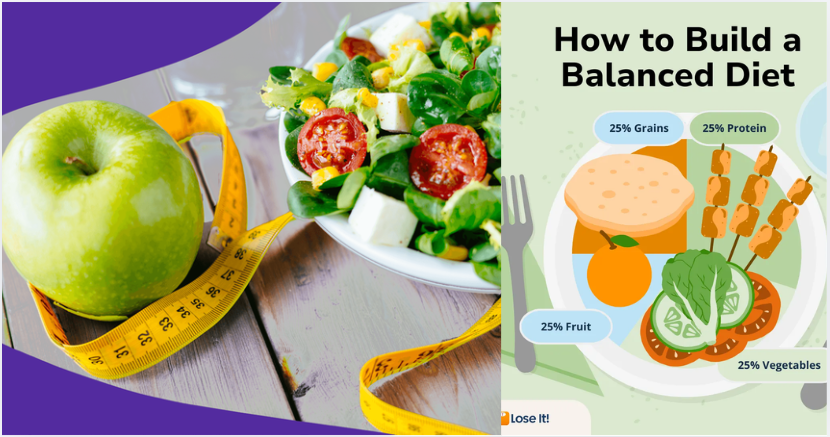
Fruits, vegetables, nuts, seeds, whole grains, and lean proteins provide naturally balanced nutrition without hidden pitfalls.
H3: Practical Tips for Daily Integration
- Replace low-fat cookies with a small portion of mixed nuts or Greek yogurt
- Choose sparkling water with natural flavor instead of artificially sweetened sodas
- Incorporate protein from eggs, legumes, or minimally processed sources
Section 8: What Lifestyle Approaches Complement Diet Food Decisions?
H3: Balanced Exercise Routine
Physical activity complements dietary strategies by enhancing insulin sensitivity, supporting muscle mass, and improving metabolic flexibility.
H3: Sleep and Stress Management
Poor sleep and chronic stress may exacerbate cravings and impair glucose metabolism, reducing the effectiveness of diet foods.
H3: Mindful Eating Practices
Paying attention to hunger cues, portion sizes, and meal satisfaction can reduce reliance on processed “diet” products and enhance overall dietary quality.
Conclusion: Navigating the Landscape of Diet Foods
Popular diet foods offer convenience and appeal but may conceal silent setbacks, from hidden sugars to metabolic effects. True smart choices prioritize nutrient density, natural ingredients, and balanced integration into meals.
By combining whole-food options with informed use of diet products, mindful eating, and supportive lifestyle habits, you can achieve sustainable weight management, improved metabolism, and long-term health. Begin by scrutinizing labels, favoring minimally processed foods, and aligning dietary choices with your individual goals—your health thrives on informed decisions.