Low vitamin D often develops silently, yet its physiological consequences can be profound. Recognizing early warning signs allows timely intervention, preventing long-term skeletal, immune, and metabolic complications associated with deficiency.
Vitamin D occupies a unique position in human biology. Technically classified as a fat-soluble vitamin, it functions more like a hormone, influencing gene expression, calcium regulation, immune modulation, and cellular growth. Despite its importance, deficiency remains widespread across age groups and geographic regions. Limited sun exposure, indoor lifestyles, skin pigmentation, aging, and dietary insufficiency all contribute to suboptimal levels.
Understanding how to recognize early warning signs of low vitamin D is not merely about identifying fatigue or bone discomfort. It requires awareness of subtle physiological shifts that may precede laboratory confirmation. This comprehensive scientific analysis examines the mechanisms, symptoms, risk factors, and evidence-based responses to vitamin D deficiency.
What Is Vitamin D and Why Is It Essential for Human Health?
Vitamin D refers primarily to two biologically relevant forms: vitamin D2 (ergocalciferol) and vitamin D3 (cholecalciferol). Once synthesized in the skin through ultraviolet B (UVB) exposure or obtained from diet and supplements, vitamin D undergoes conversion in the liver to 25-hydroxyvitamin D [25(OH)D], the circulating marker used to assess status. It is then activated in the kidneys to 1,25-dihydroxyvitamin D, the hormonally active form.
Its primary physiological roles include:
- Regulating calcium and phosphorus absorption
- Supporting bone mineralization
- Modulating immune response
- Influencing muscle function
- Participating in cell growth and differentiation
Deficiency disrupts calcium homeostasis, triggering secondary hyperparathyroidism and bone demineralization. However, skeletal effects represent only part of the broader systemic picture.
What Are the Early Warning Signs of Low Vitamin D?
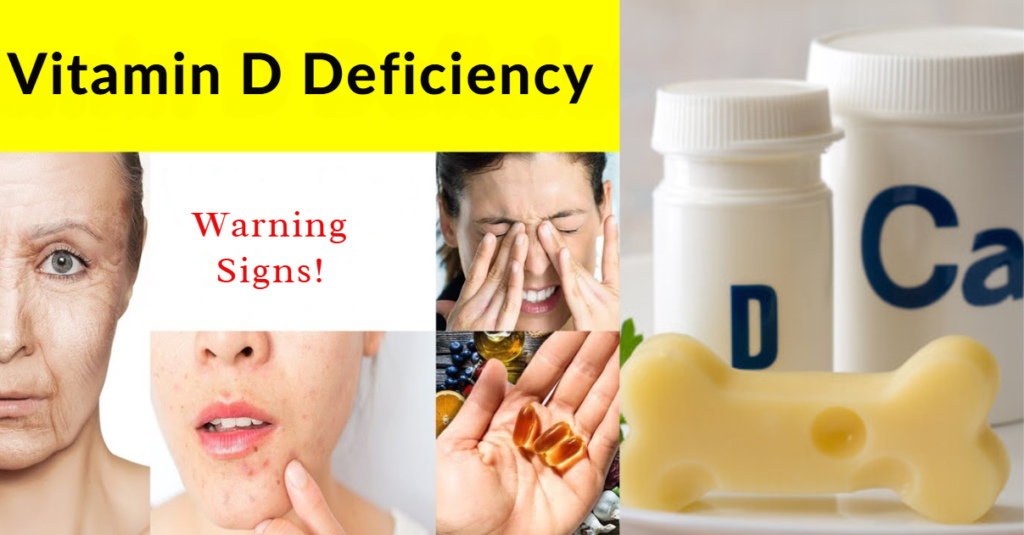
Vitamin D deficiency often presents with nonspecific symptoms that are easily overlooked.
Common early warning signs include:
- Persistent fatigue or low energy
- Diffuse bone discomfort
- Muscle weakness
- Frequent infections
- Subtle mood changes
Fatigue may stem from impaired mitochondrial function and immune dysregulation. Muscle weakness can develop due to altered calcium transport in muscle fibers. Bone discomfort, particularly in the lower back or legs, may reflect early demineralization.
These symptoms are often gradual rather than acute, which makes early recognition challenging. Individuals may attribute them to stress, aging, or lifestyle factors rather than nutrient insufficiency.
How Does Low Vitamin D Affect Bone Health?
Vitamin D plays a central role in maintaining skeletal integrity by enhancing intestinal calcium absorption. Without sufficient vitamin D, calcium uptake decreases, leading to compensatory hormonal changes that weaken bone structure.
In children, severe deficiency can cause rickets, characterized by bone deformities. In adults, chronic insufficiency contributes to osteomalacia and increases the risk of osteoporosis.
Even before overt bone disease develops, low vitamin D may produce:
- Subclinical bone thinning
- Increased fracture susceptibility
- Heightened risk of falls due to muscle weakness
Bone health is often the most recognized consequence of deficiency, yet early changes may remain undetected without laboratory testing.
How Does Vitamin D Influence Immune Function?
Vitamin D receptors are present in numerous immune cells, including T cells, B cells, and macrophages. The active form of vitamin D modulates immune signaling, balancing inflammatory responses and enhancing pathogen defense.
Low vitamin D levels have been associated with:
- Increased susceptibility to respiratory infections
- Prolonged recovery from illness
- Dysregulated inflammatory responses
While association does not imply causation in all cases, accumulating evidence suggests that adequate vitamin D status supports immune resilience.
Subtle signs such as frequent colds or delayed healing may reflect underlying insufficiency, particularly during winter months when sunlight exposure decreases.
Which Factors Increase the Risk of Vitamin D Deficiency?
Certain populations face elevated risk due to biological, environmental, or lifestyle factors.
Key risk factors include:
- Limited sun exposure
- Living at higher latitudes
- Darker skin pigmentation
- Aging
- Obesity
- Malabsorption disorders
- Chronic kidney or liver disease
Melanin reduces the skin’s capacity to synthesize vitamin D from sunlight. Aging decreases the efficiency of cutaneous production. Adipose tissue can sequester vitamin D, lowering circulating levels in individuals with obesity.
Indoor occupations and consistent sunscreen use, while protective against skin damage, may inadvertently reduce vitamin D synthesis.
Recognizing risk factors enhances early detection and preventive intervention.
How Does Low Vitamin D Impact Mood and Cognitive Function?
Emerging research links vitamin D receptors to brain regions involved in mood regulation and cognitive processing. While mechanisms remain under investigation, vitamin D may influence neurotransmitter synthesis and inflammatory signaling in the central nervous system.
Observational studies have identified associations between low vitamin D levels and:
- Depressive symptoms
- Seasonal mood changes
- Reduced cognitive performance in older adults
These associations do not confirm direct causality, yet they highlight the potential neurobiological role of vitamin D.
Subtle mood fluctuations, particularly during low-sunlight seasons, may warrant evaluation of vitamin D status.
What Are the Laboratory Markers of Vitamin D Deficiency?
The standard diagnostic measure is serum 25-hydroxyvitamin D [25(OH)D]. Levels are typically categorized as:
- Deficient: Below 20 ng/mL (50 nmol/L)
- Insufficient: 20–29 ng/mL (50–74 nmol/L)
- Sufficient: 30–50 ng/mL (75–125 nmol/L)
Interpretation may vary slightly among clinical guidelines, but consensus agrees that levels below 20 ng/mL indicate deficiency.
Laboratory assessment is particularly important because symptoms alone are unreliable indicators. Many individuals with low levels remain asymptomatic until deficiency becomes more severe.
Routine screening may be appropriate for high-risk populations.
How Can Vitamin D Deficiency Be Corrected Safely?
Correction strategies depend on severity, risk profile, and individual health status.
Intervention approaches include:
- Controlled sunlight exposure
- Dietary intake (fatty fish, fortified foods, egg yolks)
- Supplementation under medical supervision
Vitamin D3 (cholecalciferol) is generally considered more effective at raising serum levels than vitamin D2. Dosage must be individualized based on baseline levels, body weight, and medical guidance.
Excessive supplementation can lead to toxicity, characterized by hypercalcemia and associated complications. Therefore, laboratory monitoring is essential during high-dose therapy.
Balanced correction focuses on restoring optimal levels without exceeding physiological thresholds.
When Should You Seek Medical Evaluation?
Medical evaluation is recommended if:
- Symptoms persist without clear explanation
- There is a history of bone fractures
- Risk factors are present
- Chronic illness affects absorption or metabolism
Healthcare professionals may recommend laboratory testing and individualized supplementation protocols.
Early evaluation prevents long-term complications and allows targeted intervention rather than reactive treatment.
Conclusion
Low vitamin D often develops gradually, presenting with subtle warning signs that are easy to dismiss. Fatigue, muscle weakness, recurrent infections, mood fluctuations, and bone discomfort may signal underlying insufficiency. Because vitamin D functions as both a nutrient and a hormone, its deficiency can influence skeletal integrity, immune resilience, and possibly cognitive health.
Risk factors such as limited sunlight exposure, aging, darker skin pigmentation, and chronic health conditions increase vulnerability. Laboratory assessment remains the most reliable method for diagnosis, as symptoms alone lack specificity.
Recognizing early warning signs of low vitamin D enables timely correction and reduces the risk of long-term complications. A proactive, evidence-based approach—grounded in scientific understanding and medical guidance—ensures that vitamin D levels support rather than undermine overall health.
Disclaimer
This article is for informational purposes only and does not constitute medical advice. Individuals experiencing persistent symptoms, those with chronic medical conditions, or those considering vitamin D supplementation should consult a qualified healthcare professional for personalized evaluation and treatment.